Secure · never sold to brokers
West Virginia is the most topographically difficult state in the East to move in. Mountain roads with hairpin turns, one-lane bridges, hollows where a tractor-trailer physically cannot turn around, and steep driveways make access the central planning question on nearly every job. In West Virginia we treat shuttle service as routine. The Eastern Panhandle around Martinsburg is the exception — it functions as a DC exurb and moves like one.
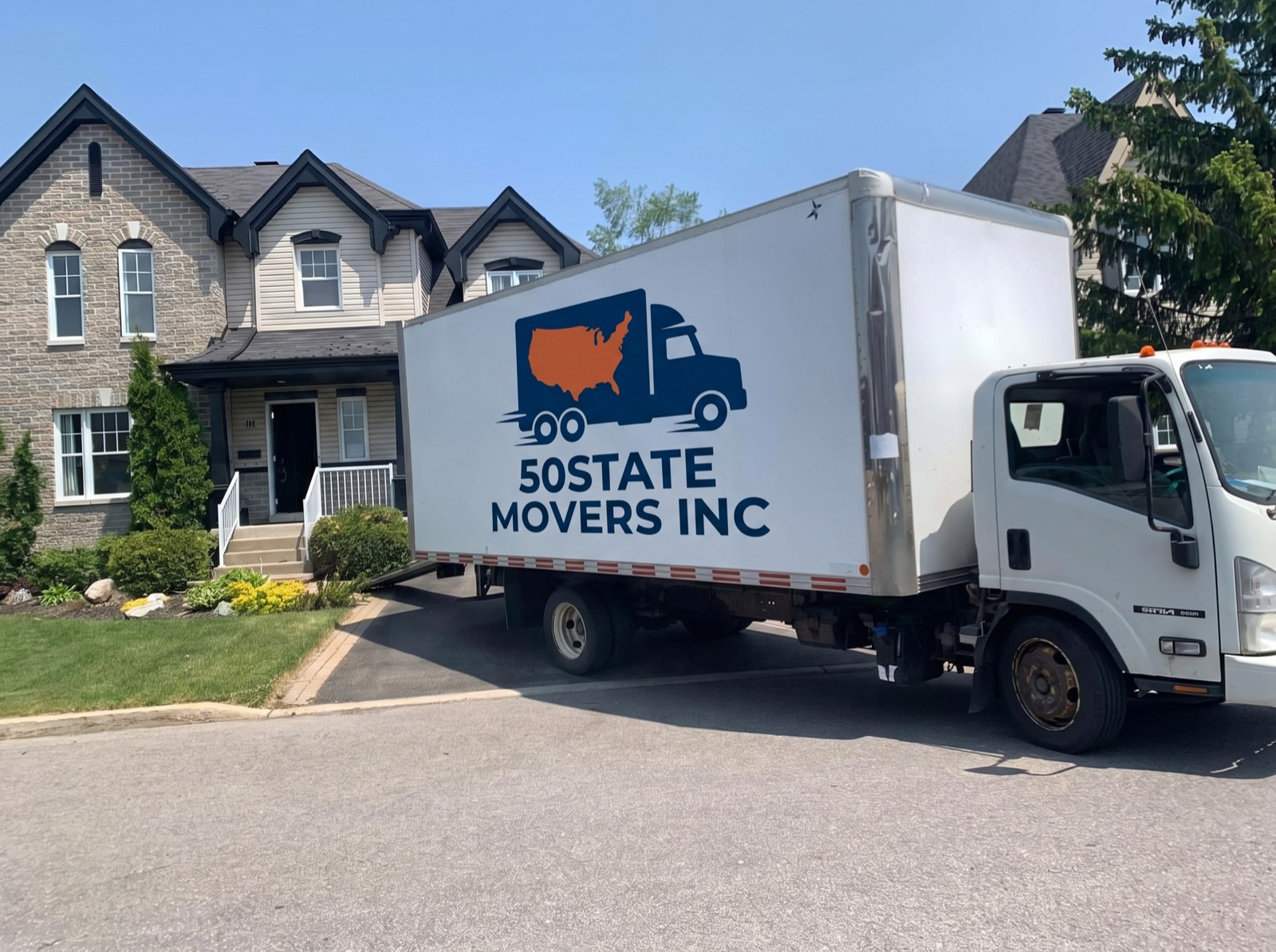
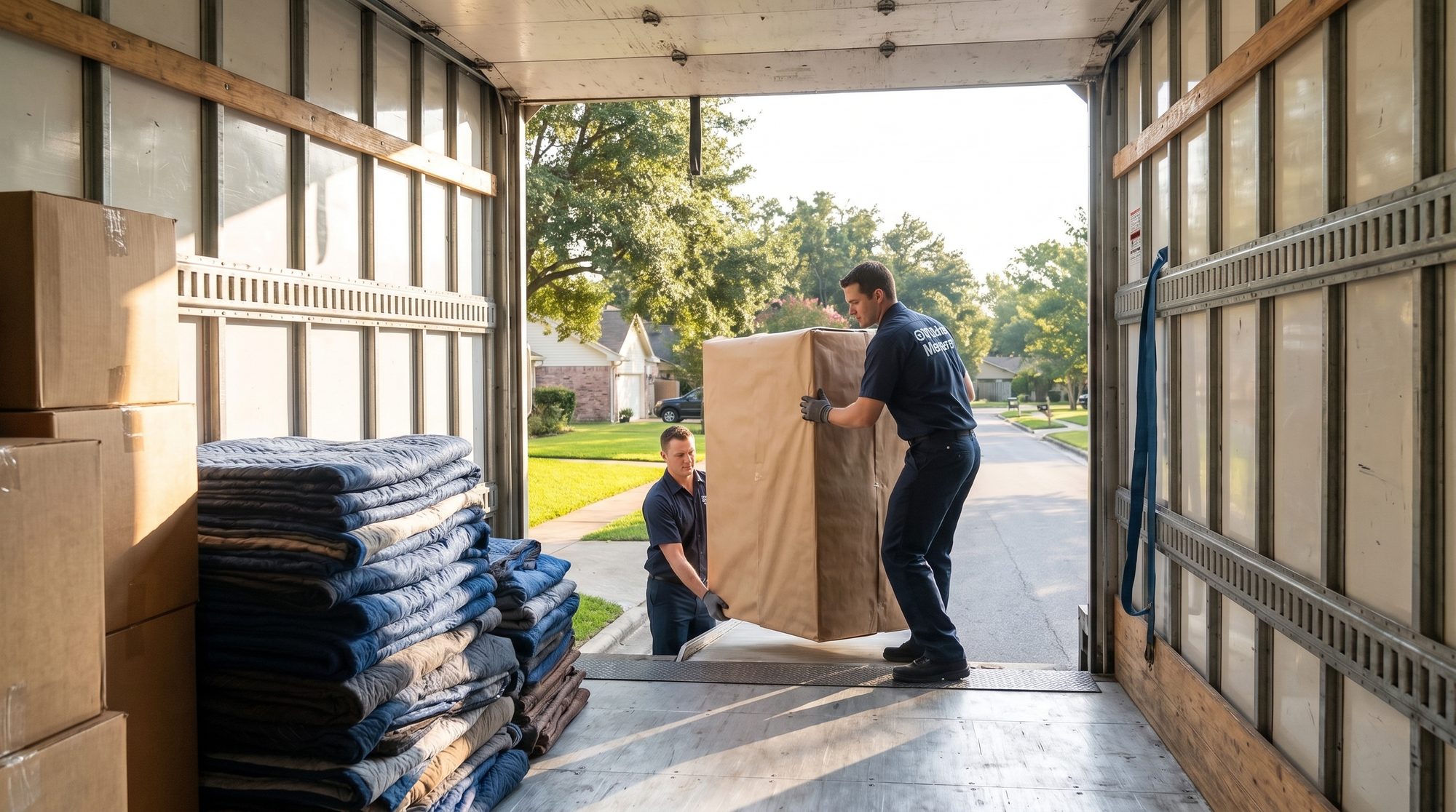
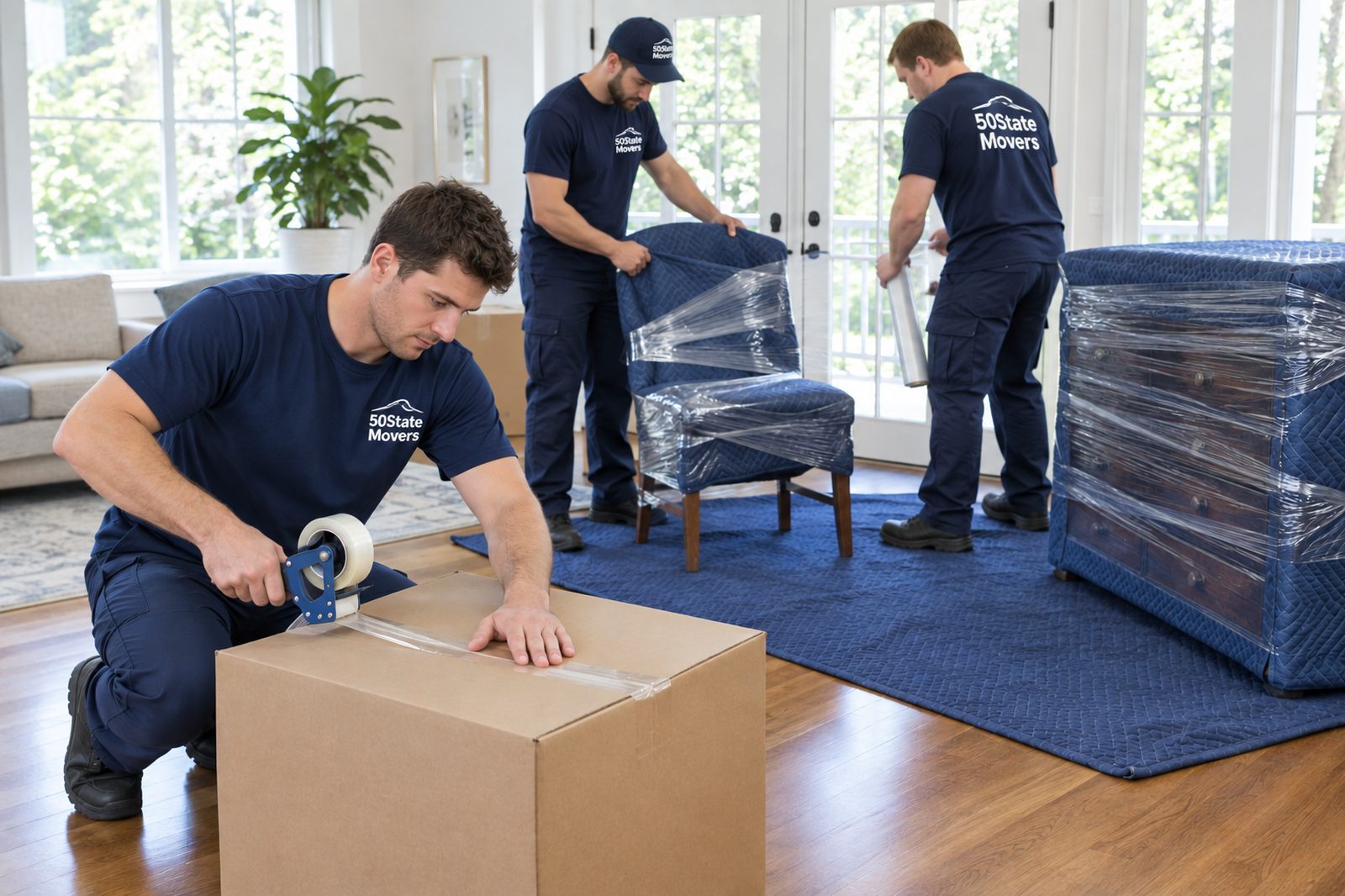
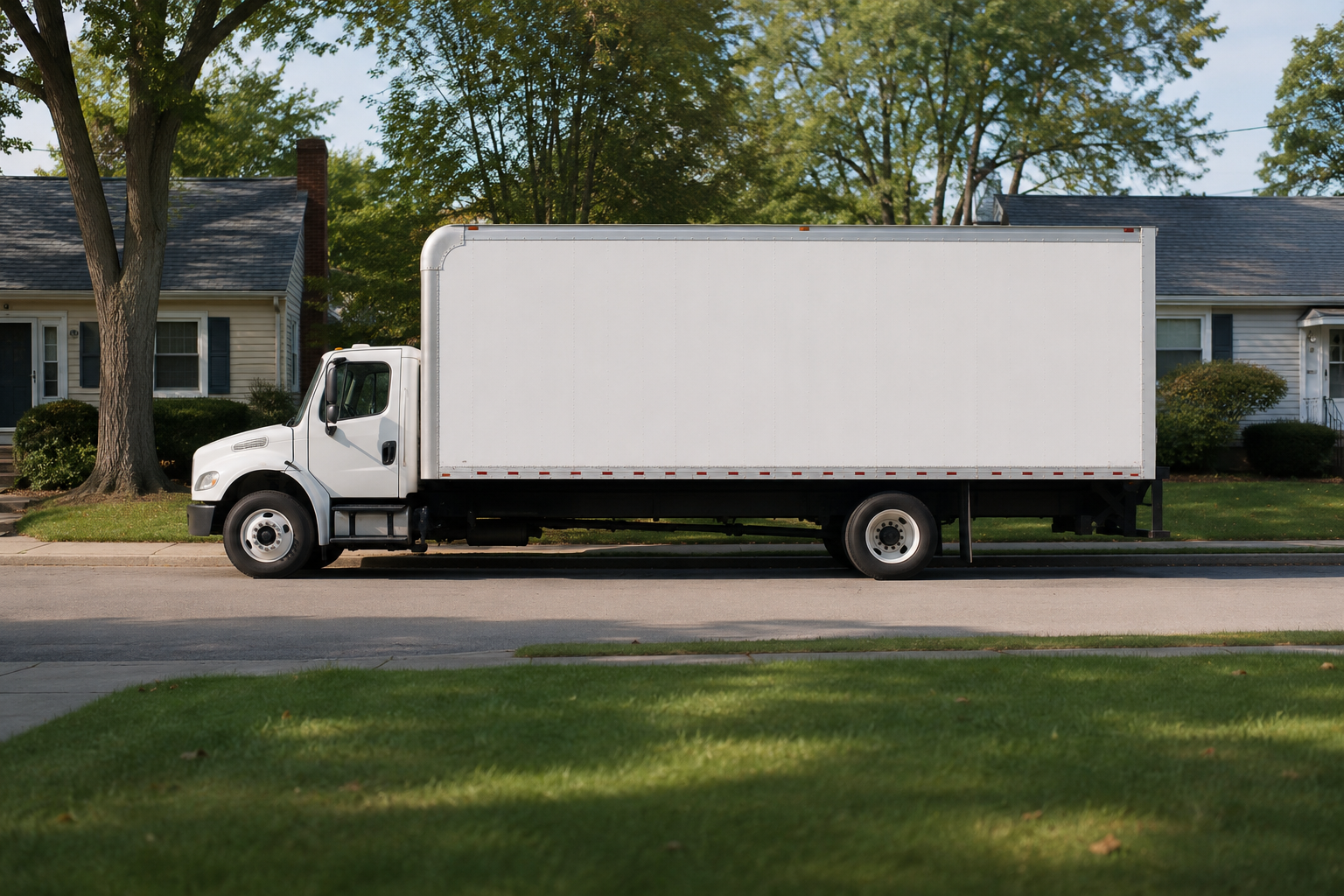
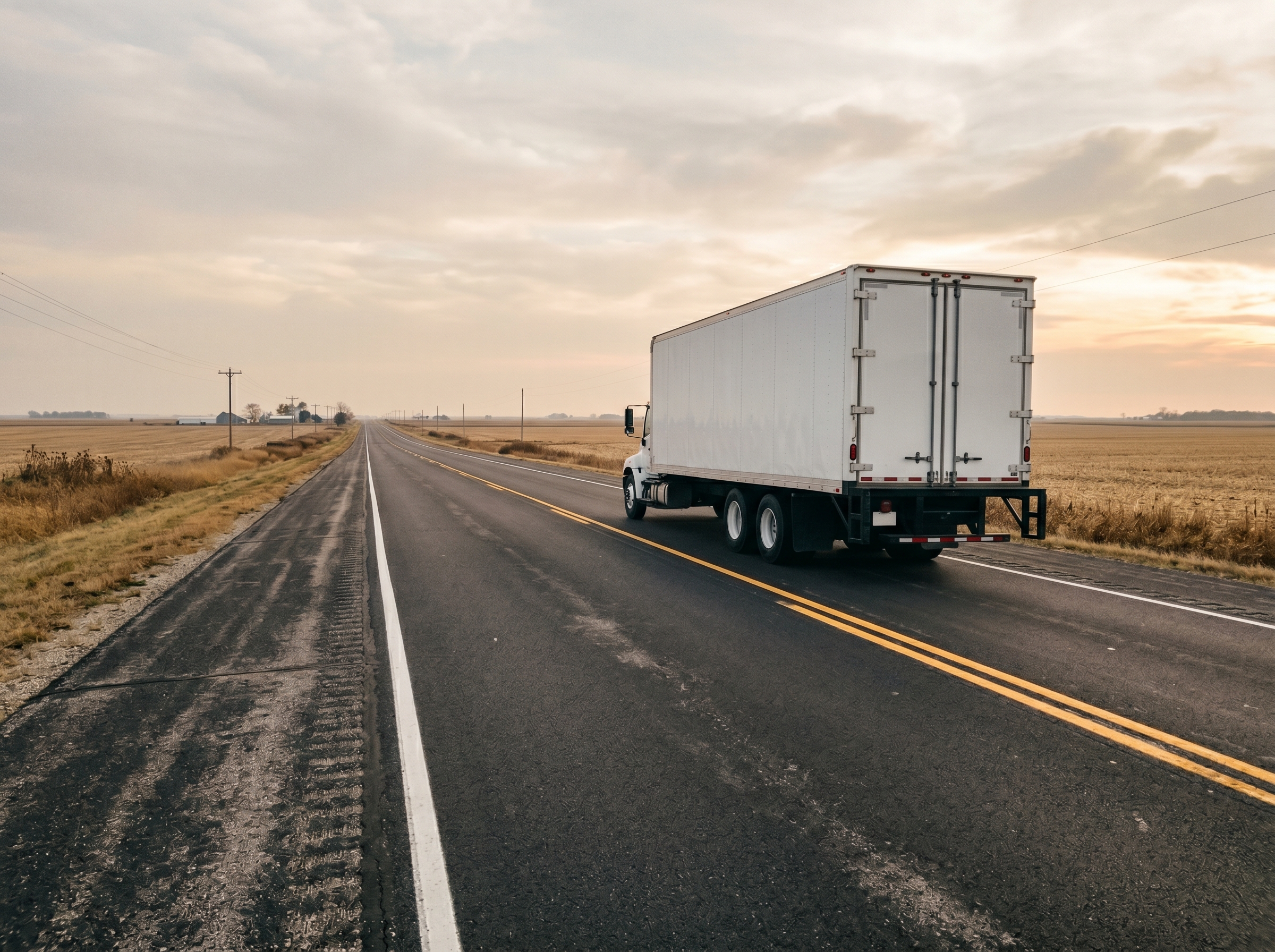
Our own movers, our own photographs: the four things that happen between your two doors.
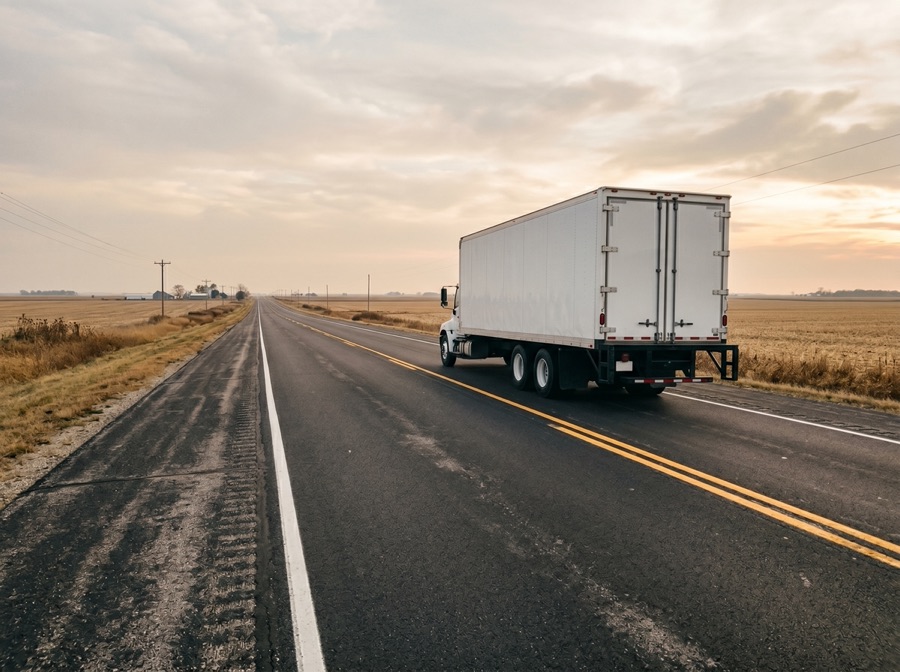
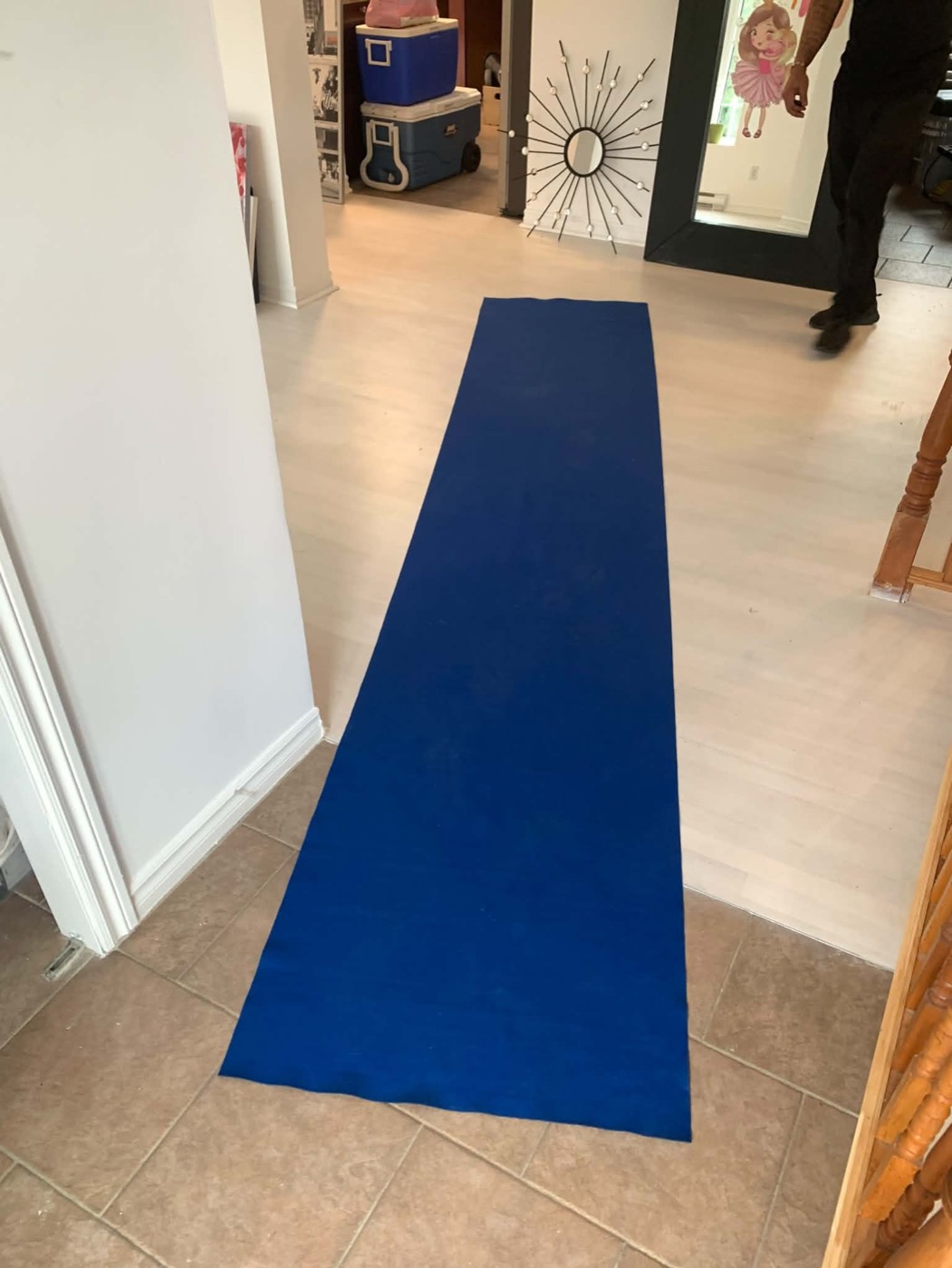
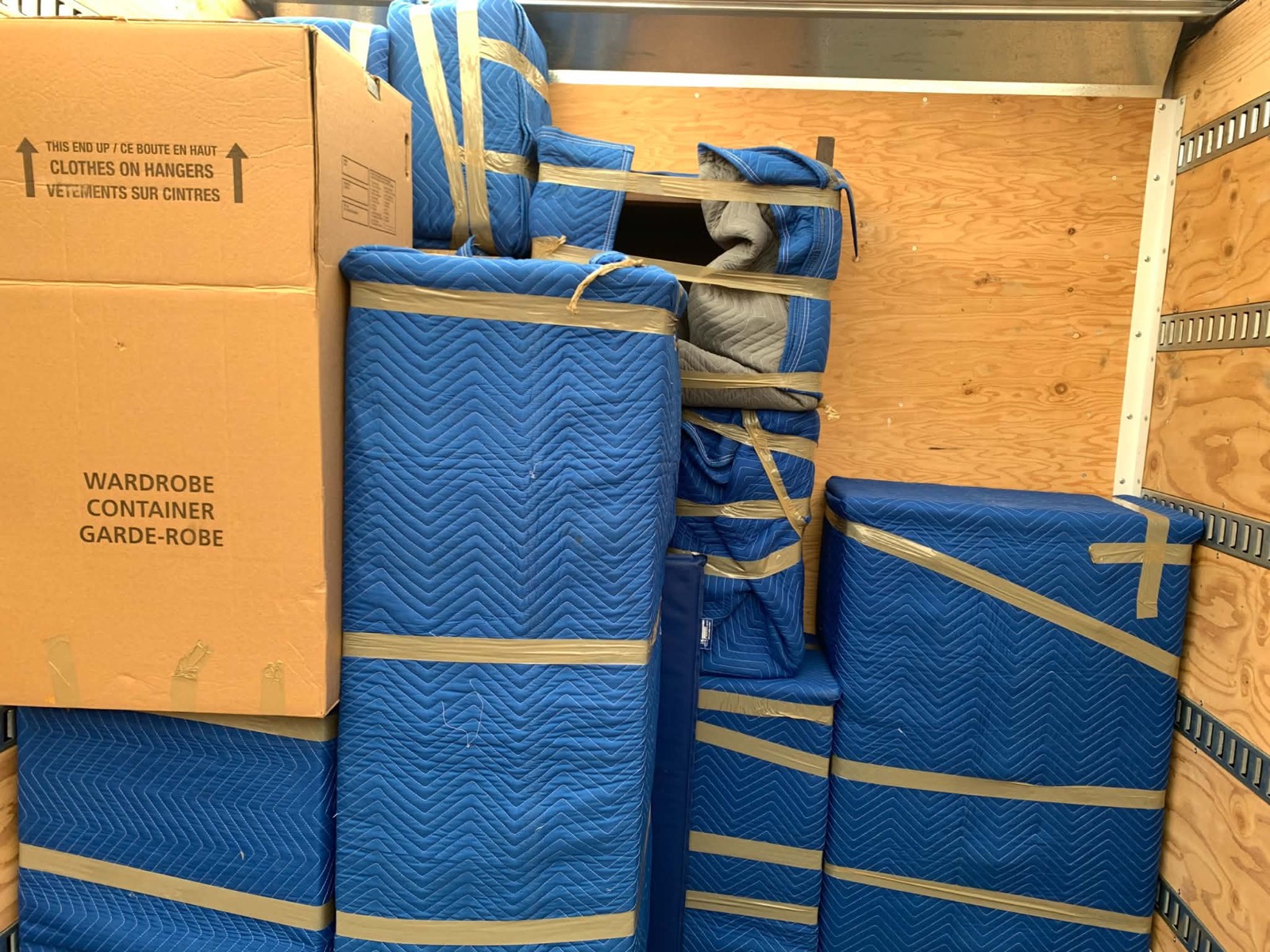
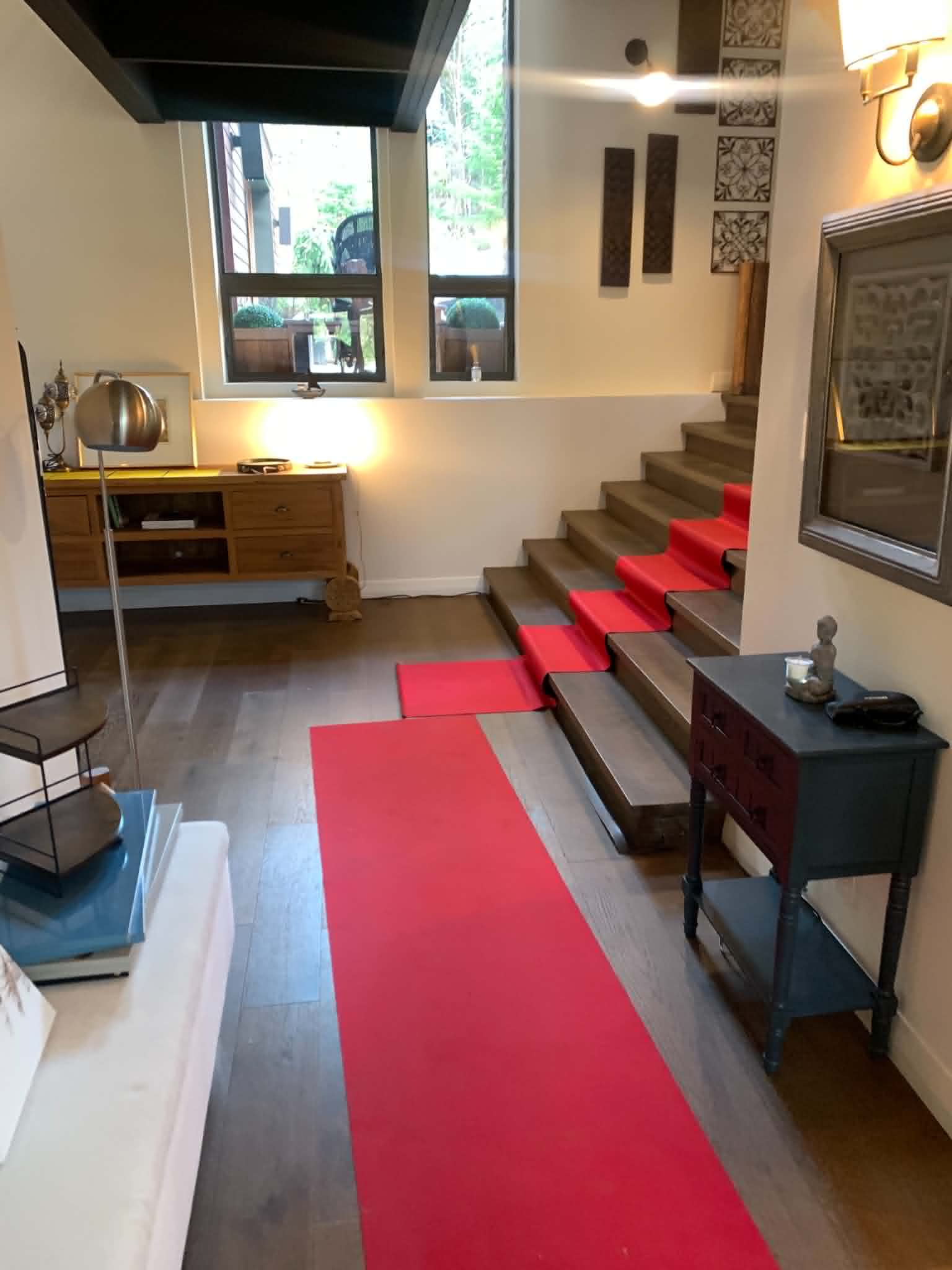
Protection is laid at both ends before any furniture moves.
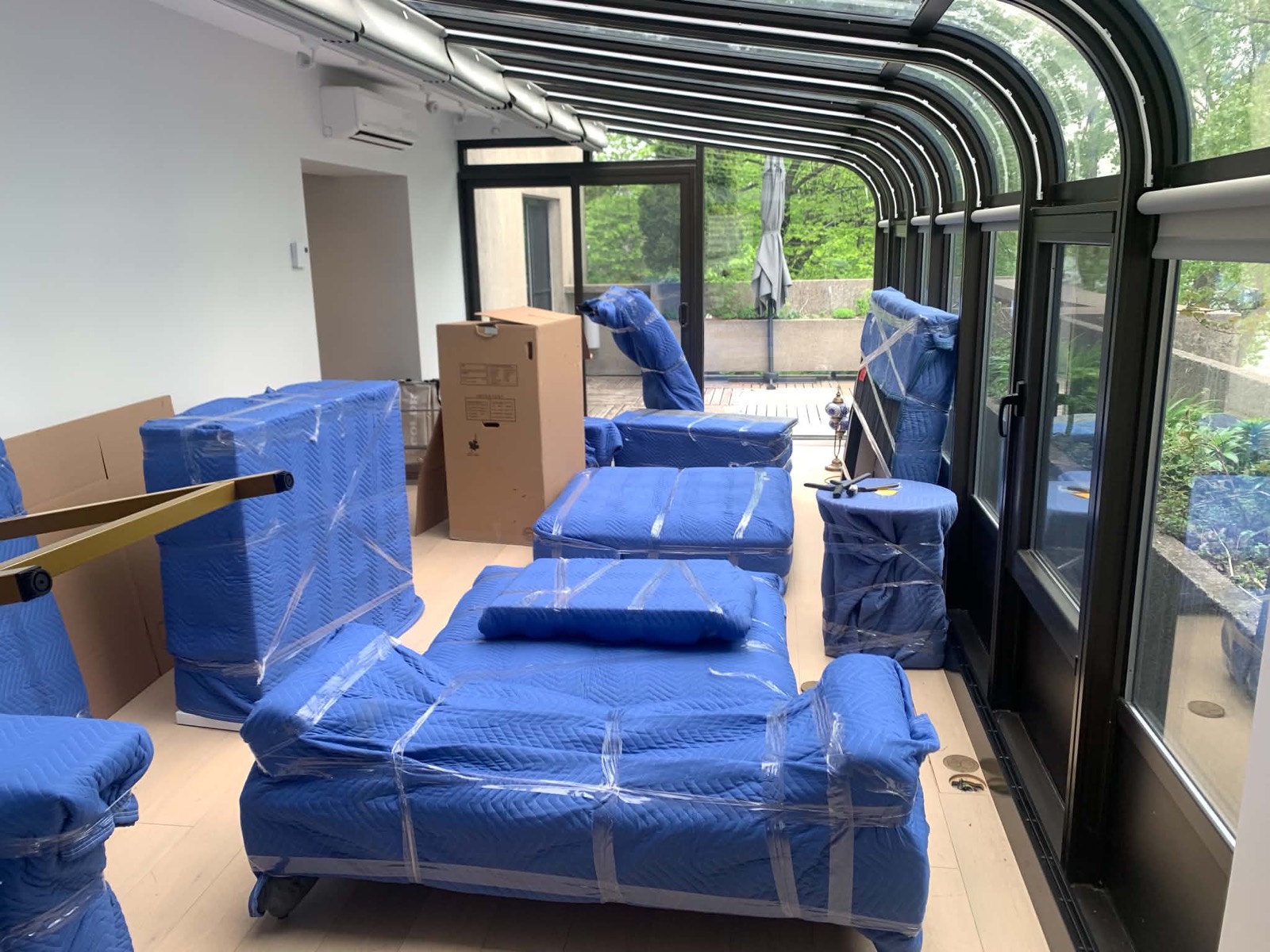
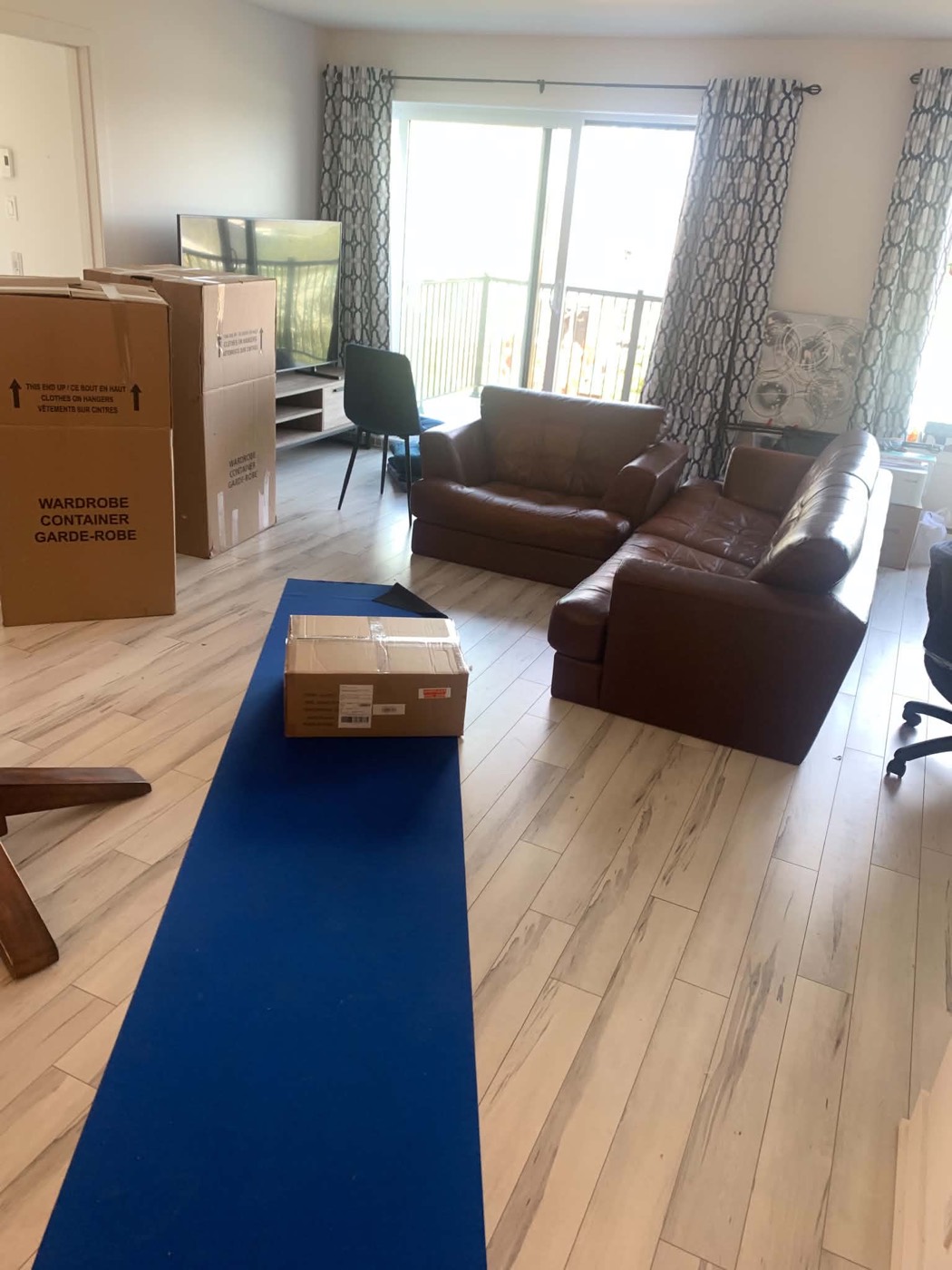
Blankets and shrink on all of it, cartons for anything that fits in one.
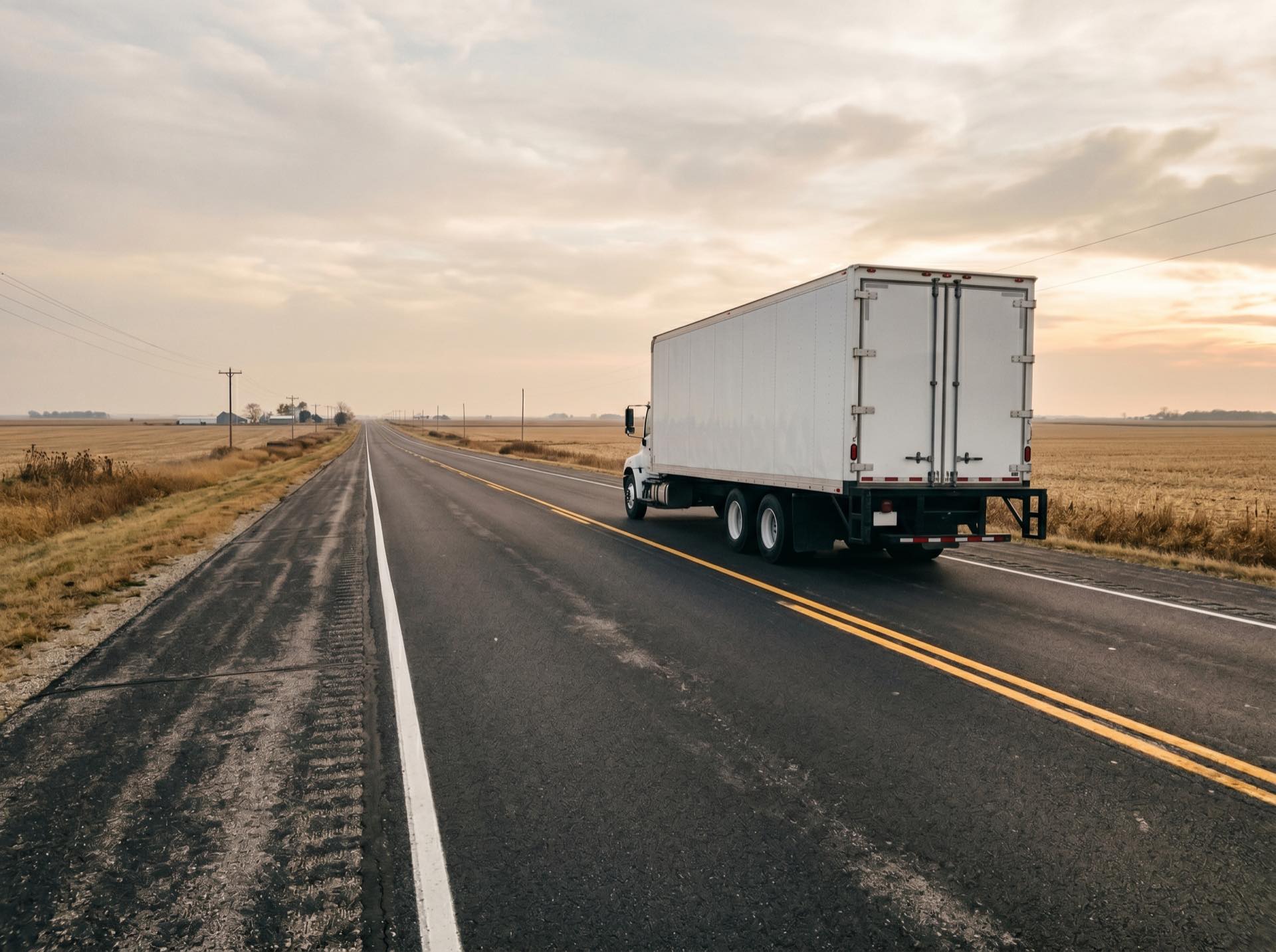
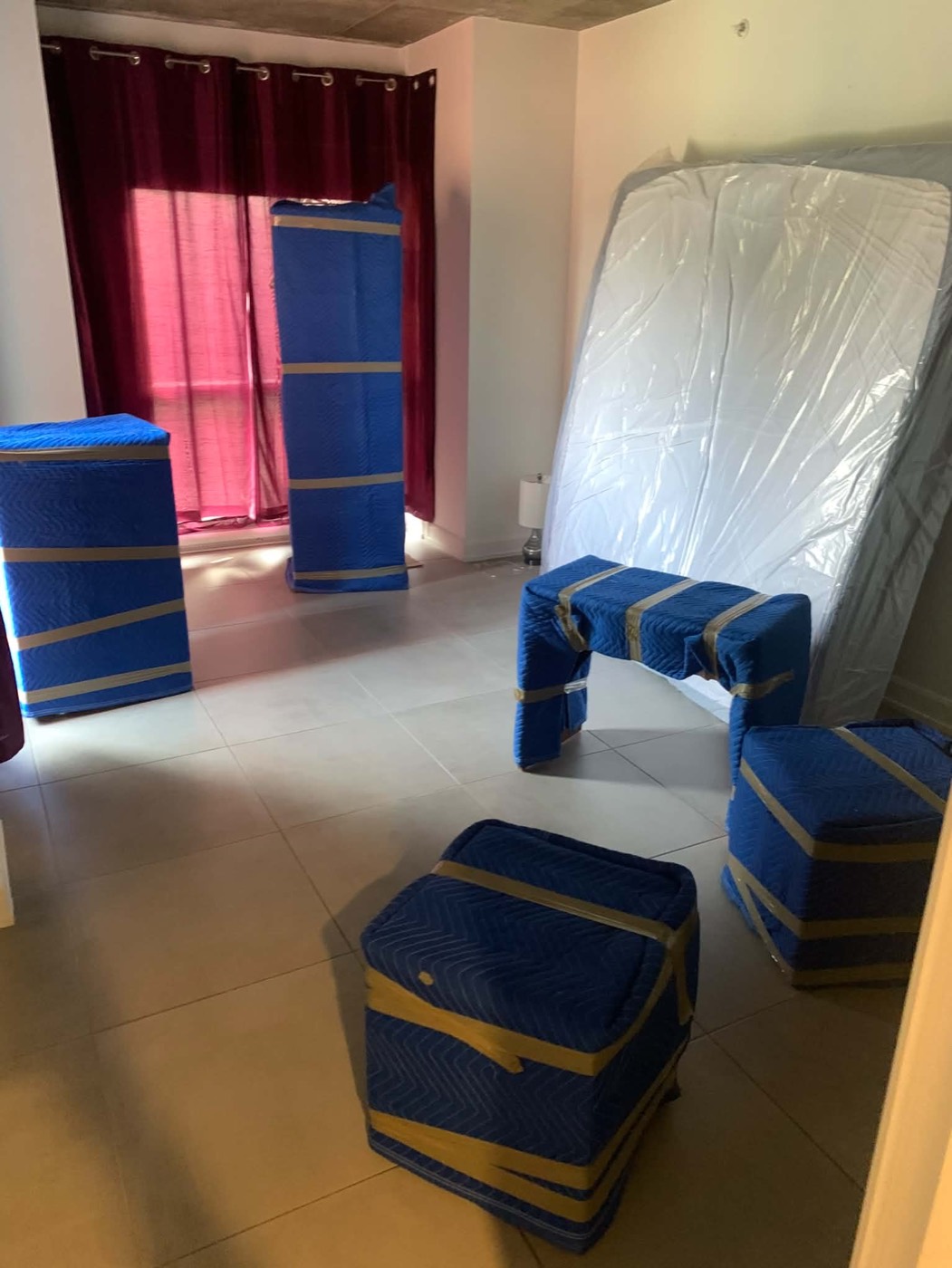
Stacked in tiers and strapped row by row, so nothing shifts over the miles.
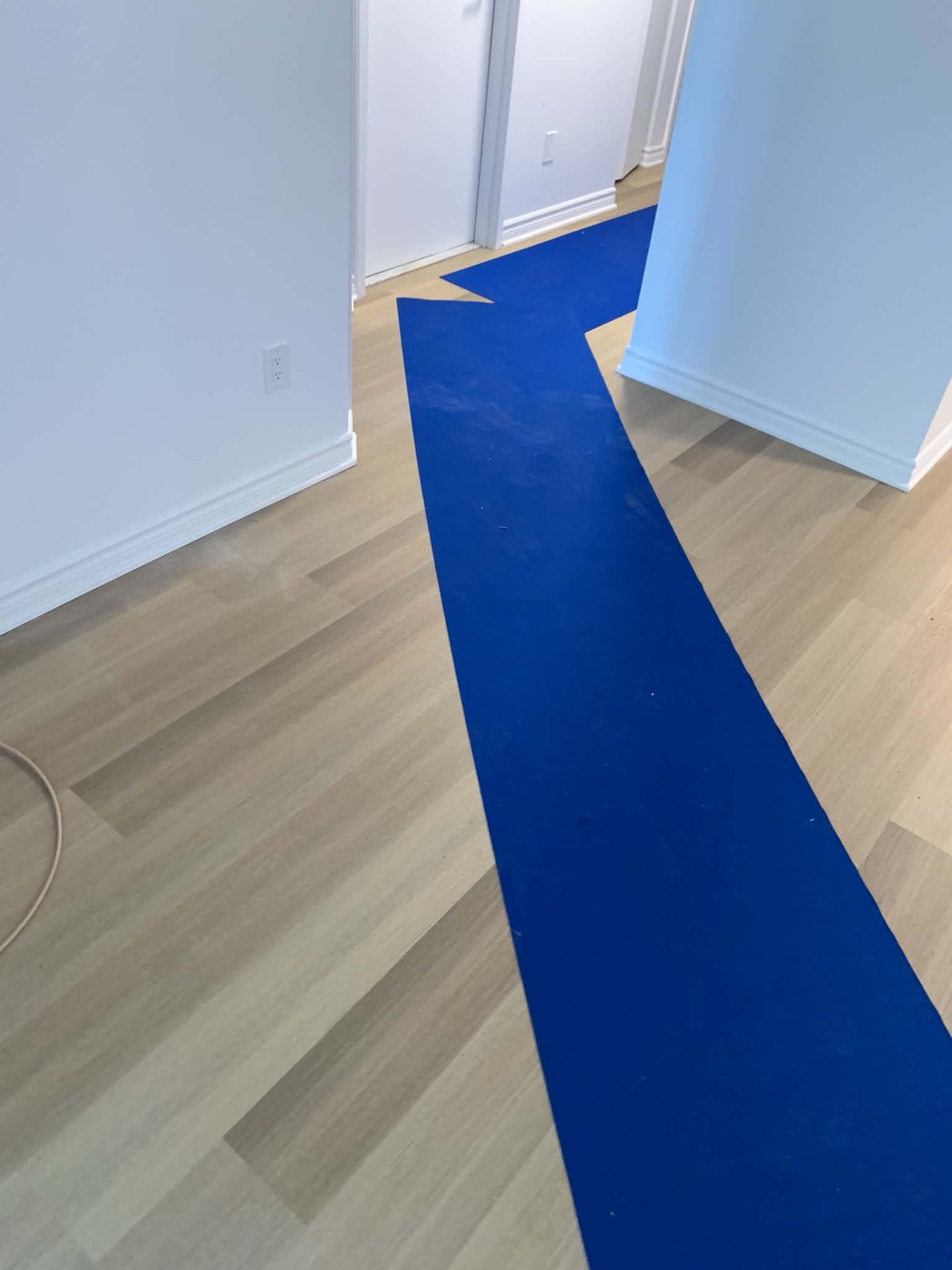
Set down room by room, on the delivery date your contract names.
We pick up throughout the state, not just the metros. If your town isn't listed, it's almost certainly still on a route we run — call +1 (888) 505-1086 and we'll confirm access before quoting.
West Virginia's defining service need is shuttle-supported moving. Hollow roads and steep grades mean a substantial share of jobs here require staging and a second vehicle, which we plan and price up front. Packing demand follows, since goods handled twice need to be packed properly the first time.
Get my fixed price
State-line and coast-to-coast moves, run door to door. Routing, paperwork, and unpacking at the far end are all handled by us.
The full-attention option. Nothing is left for you to do — packing, transport, unpacking, arranging the rooms, and hanging the art are all ours.
Any size of home, from a one-room flat to a five-bedroom house. We take apart what needs taking apart, move it, rebuild it, and finish the job in place.
Business moves scheduled for evenings and weekends, which is how your staff arrive at a working office on Monday instead of a room of boxes.
Fragile, valuable and awkward items packed to museum standard. Where no ready-made carton will do the job, we build the crate on site.
Monitored storage in climate-controlled facilities, available for a short gap between dates or an open-ended stay. Everything stays inventoried and insured.
We don't publish a price list, because a number without a survey is a guess — and a guess is exactly what turns into a bigger bill on delivery day. Here's what actually moves the figure on a West Virginia move. Every one of these is itemized in your written quote before you sign, and the price we agree is the price you pay.
Roads, seasons, and regulators differ from one state line to the next. This is what they mean for a West Virginia move on the ground.
I-79, I-77, I-64, and the West Virginia Turnpike carry most freight, but they are mountainous, with steep grades and long tunnels. Off the interstates, the road network is genuinely challenging: switchbacks, posted one-lane bridges, and hollow roads with no turnaround. Winter brings ice on the grades and heavy snow at higher elevations along US-219 and the Allegheny front. Shuttle planning is standard. Main corridors: I-64, I-77, I-79, I-81, US-19.
Peak is May through August with a Morgantown spike at university turnover. Winter is quiet but genuinely risky in the mountains — ice on the Turnpike grades and unplowed hollow roads can make a property unreachable. Spring flooding along the Kanawha, Guyandotte, and Greenbrier is a recurring hazard that closes secondary roads. September and October are the best window by a wide margin.
West Virginia has had long-running net outflow, though it has moderated. The Eastern Panhandle is the clear growth area, absorbing Washington DC-area commuters into Martinsburg and Charles Town. Morgantown grows on the university and hospital system. The southern coalfields continue to lose population, primarily to Ohio, North Carolina, Virginia, and Florida.
Interstate moves out of West Virginia are federal: look for an active USDOT number and FMCSA authority. Ours are USDOT #4575745 and MC-1820728. Movers operating only inside the state answer instead to the West Virginia Public Service Commission, which regulates intrastate household-goods carriers — a registration that is not authority to take your belongings across the line.
Three things that regularly turn a straightforward West Virginia move into an expensive one. We check all three before quoting, so they land in the price rather than on move day.
Many West Virginia addresses are reached by a narrow road with no place to turn a tractor-trailer around. That makes a shuttle mandatory rather than optional, and we plan it from satellite imagery and local contact before quoting.
Weight-limited and one-lane bridges are common on county routes. We map the approach specifically, because an unmapped bridge is the fastest way to strand a loaded truck.
Martinsburg and Charles Town move like Washington DC exurbs — easy suburban access, but destination-side requirements often follow DC-area building rules.
Recent jobs — houses, offices and long-haul lanes, run by the West Virginia movers you would be booking.
Questions we field most often from households hiring movers from West Virginia.
This is the right question to ask here, and often the answer is no, not the whole way. Hairpin turns, one-lane bridges, and hollow roads with no turnaround are common. We survey the last mile in advance and quote a shuttle from a staging point rather than discovering the problem on move day.
Roughly 350 to 450 miles — 2 to 5 days consolidated or next-day dedicated. Mountain routing means travel time runs longer than the mileage suggests, which we account for in scheduling.
In the Eastern Panhandle and along the interstates, generally yes, and availability is the year's best. In the mountains it carries real risk — ice on steep grades and unplowed private roads can make a property unreachable for a day or more. Those windows get contingency built in.
Yes. Morgantown has a concentrated August turnover around WVU that books out early. The Eastern Panhandle around Martinsburg and Charles Town is straightforward suburban work and one of our steadier West Virginia markets.
Yes. Interstate household moving is federally licensed: the carrier needs a live USDOT registration and FMCSA operating authority, not just a business licence. Ours are USDOT #4575745 and MC-1820728, and SAFER — the FMCSA's public database — will confirm them in seconds.
Companies that move households only within West Virginia answer to the West Virginia Public Service Commission, which regulates intrastate household-goods carriers. That distinction matters: an intrastate-only registration is not authority to take your belongings out of West Virginia, and it is the most common gap we see when customers forward us a competitor's paperwork. Two other things worth checking on any quote — whether the price is binding or an estimate that can be revised at delivery, and whether the company is a carrier that owns trucks or a broker reselling your move. We are a carrier, we quote binding fixed prices, and we put our own crew and truck on the job.
As West Virginia movers we run the full continental map. These are the states most often paired with a West Virginia move — each has its own guide covering arrival logistics, building rules, and seasonal timing.
Our team is available 24 / 7. Call us or send an email and we'll get back to you within a few hours.