Secure · never sold to brokers
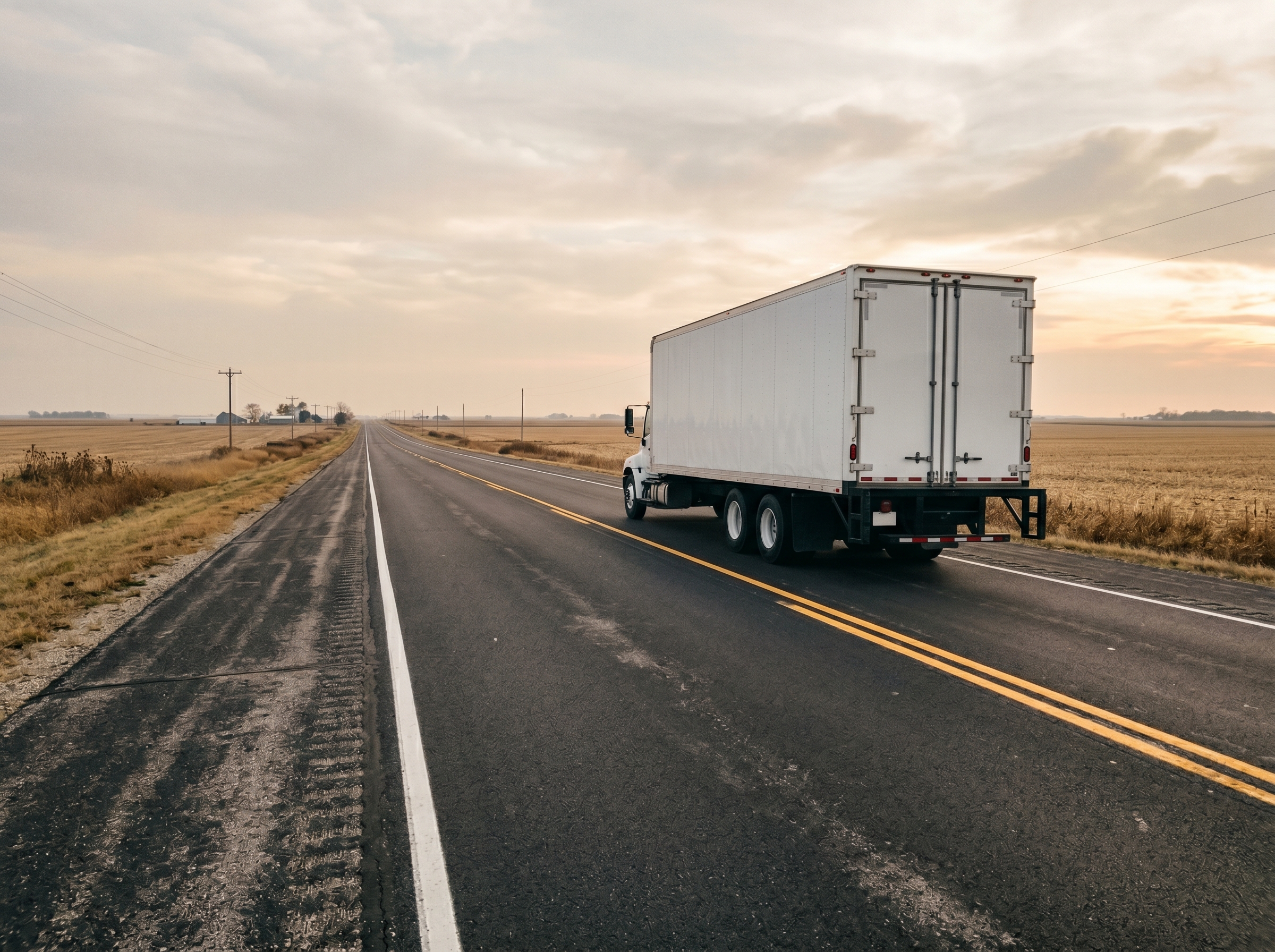
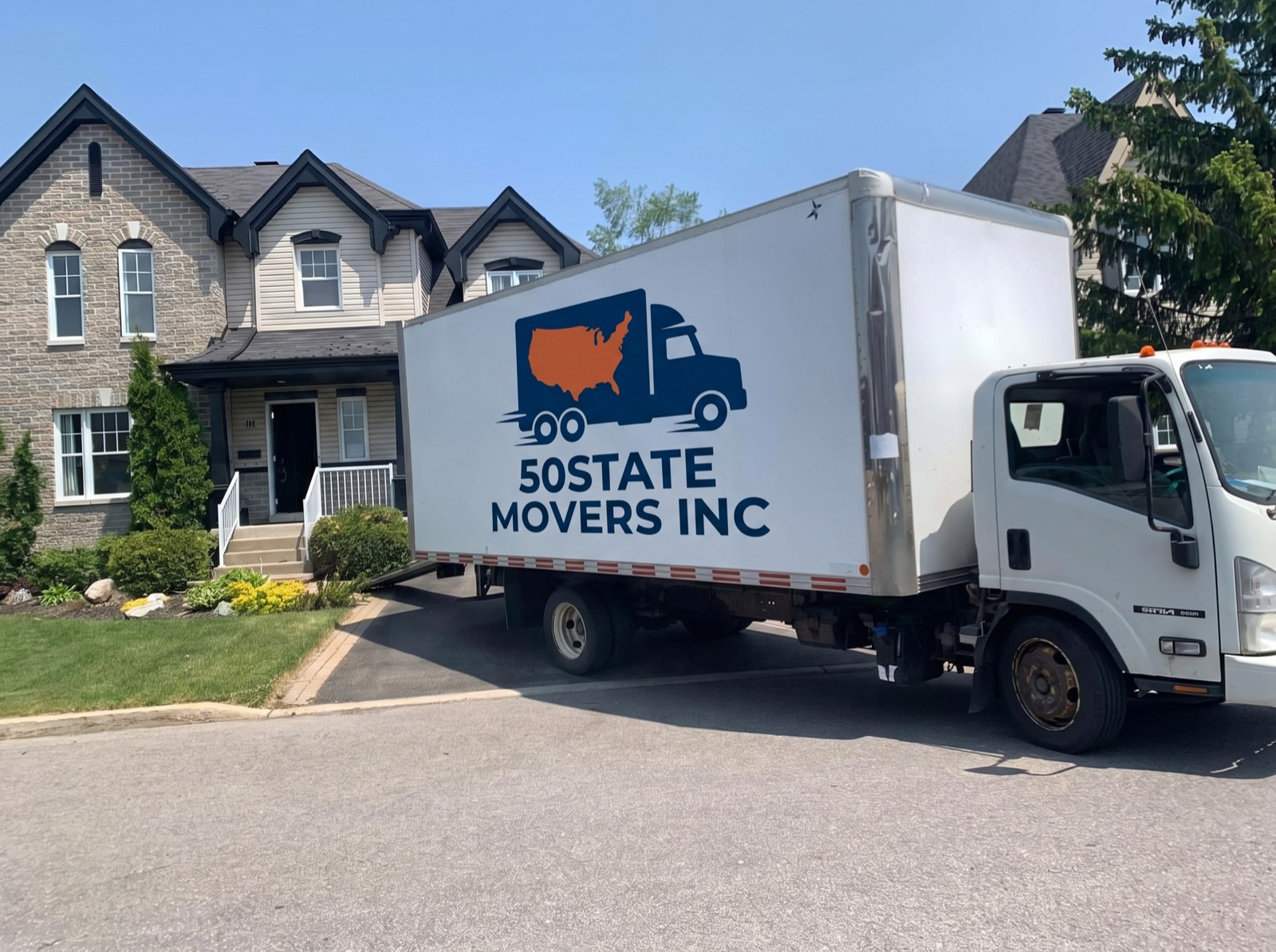
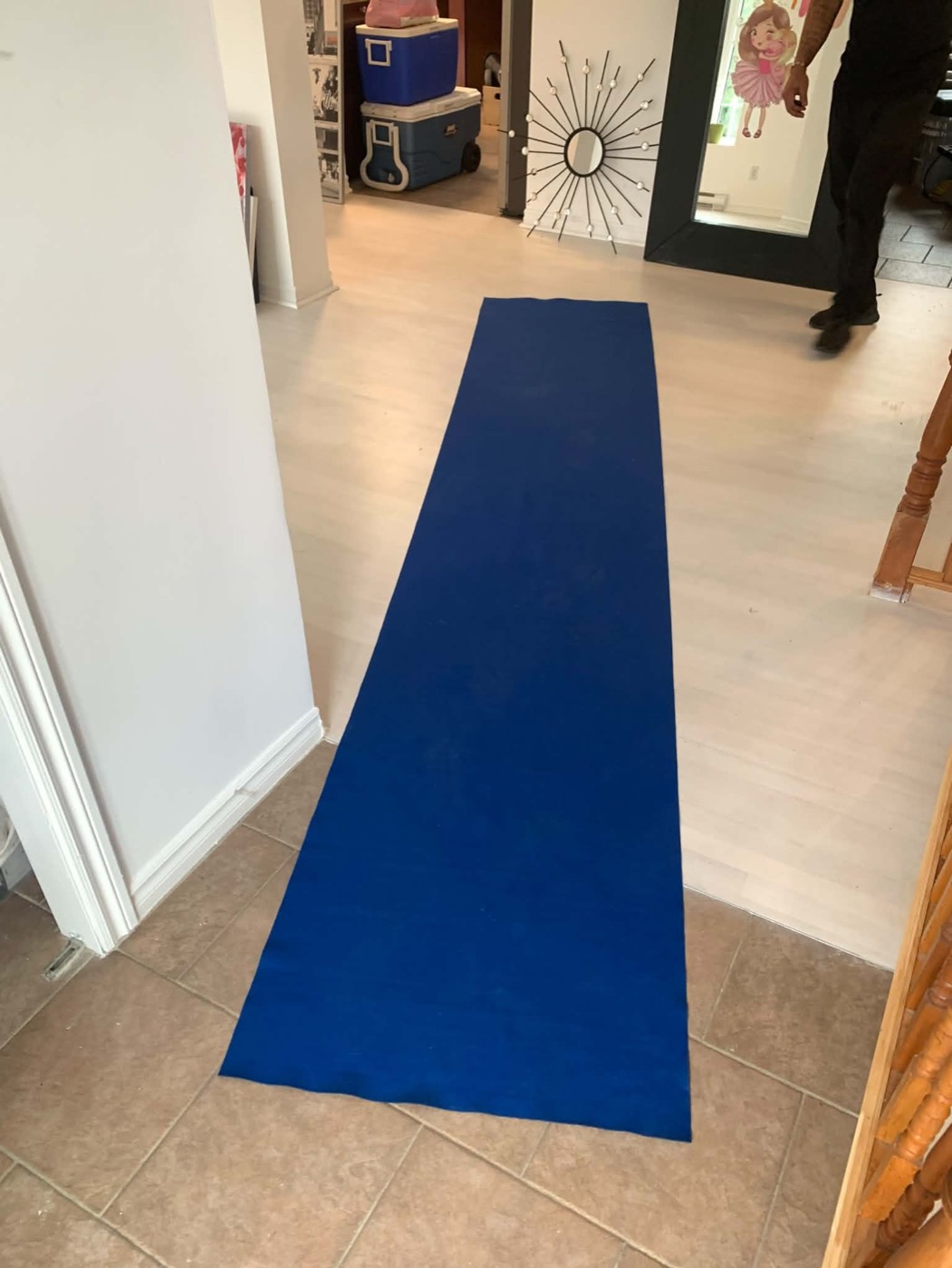
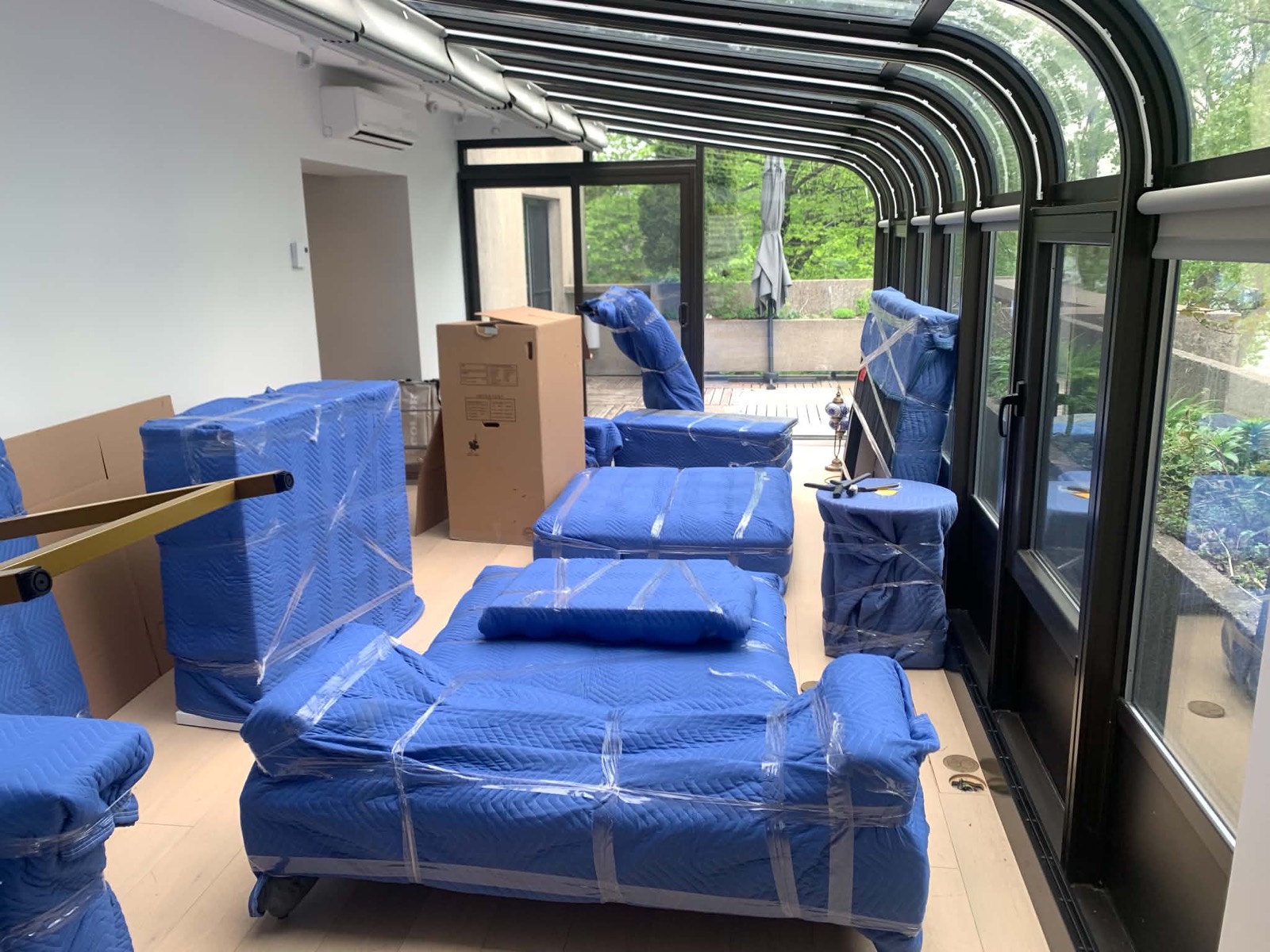
Four stages on every job our movers from California run — this is what each of them looks like.
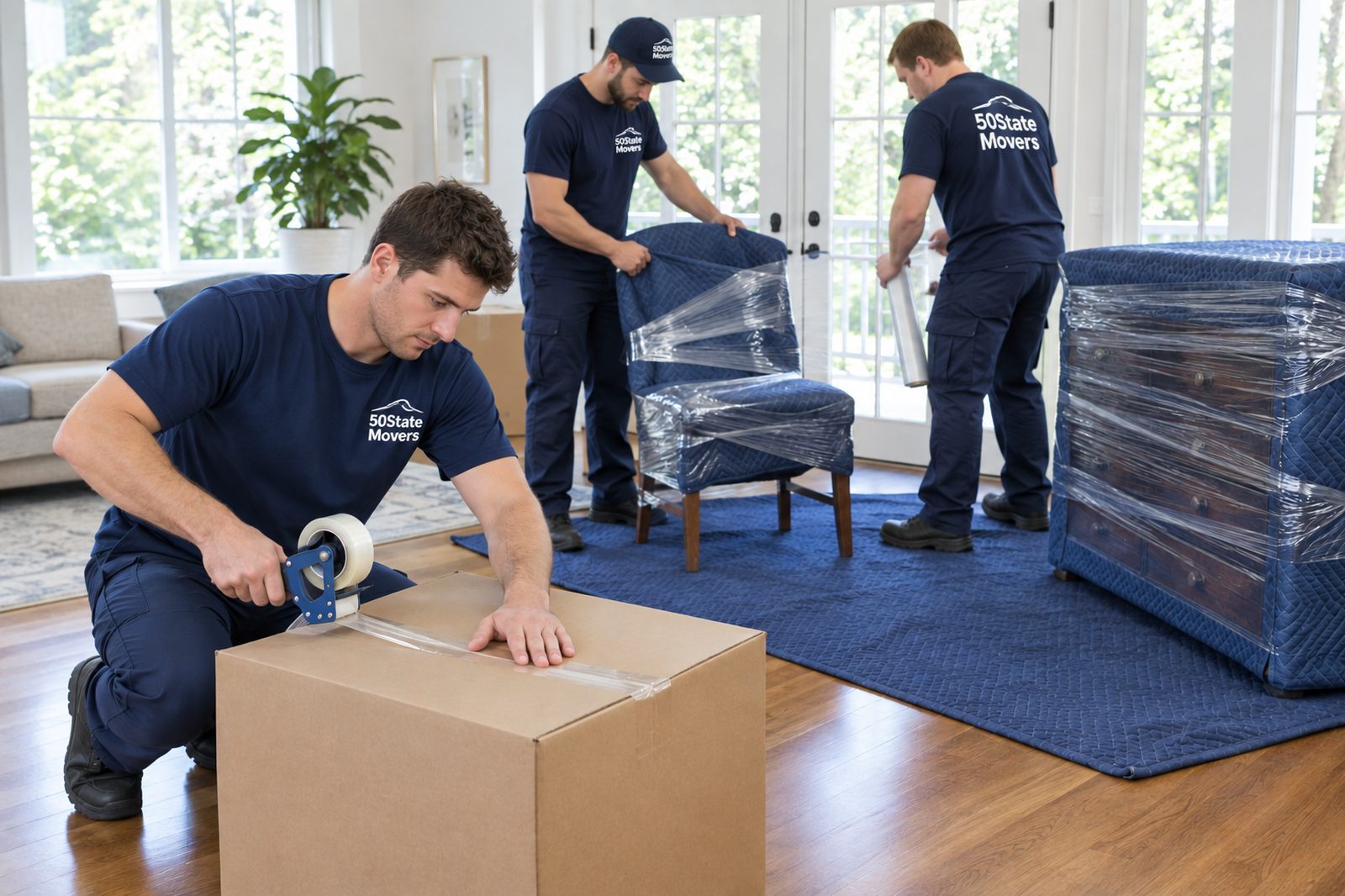
Runners down and door jambs padded before a single box is carried.
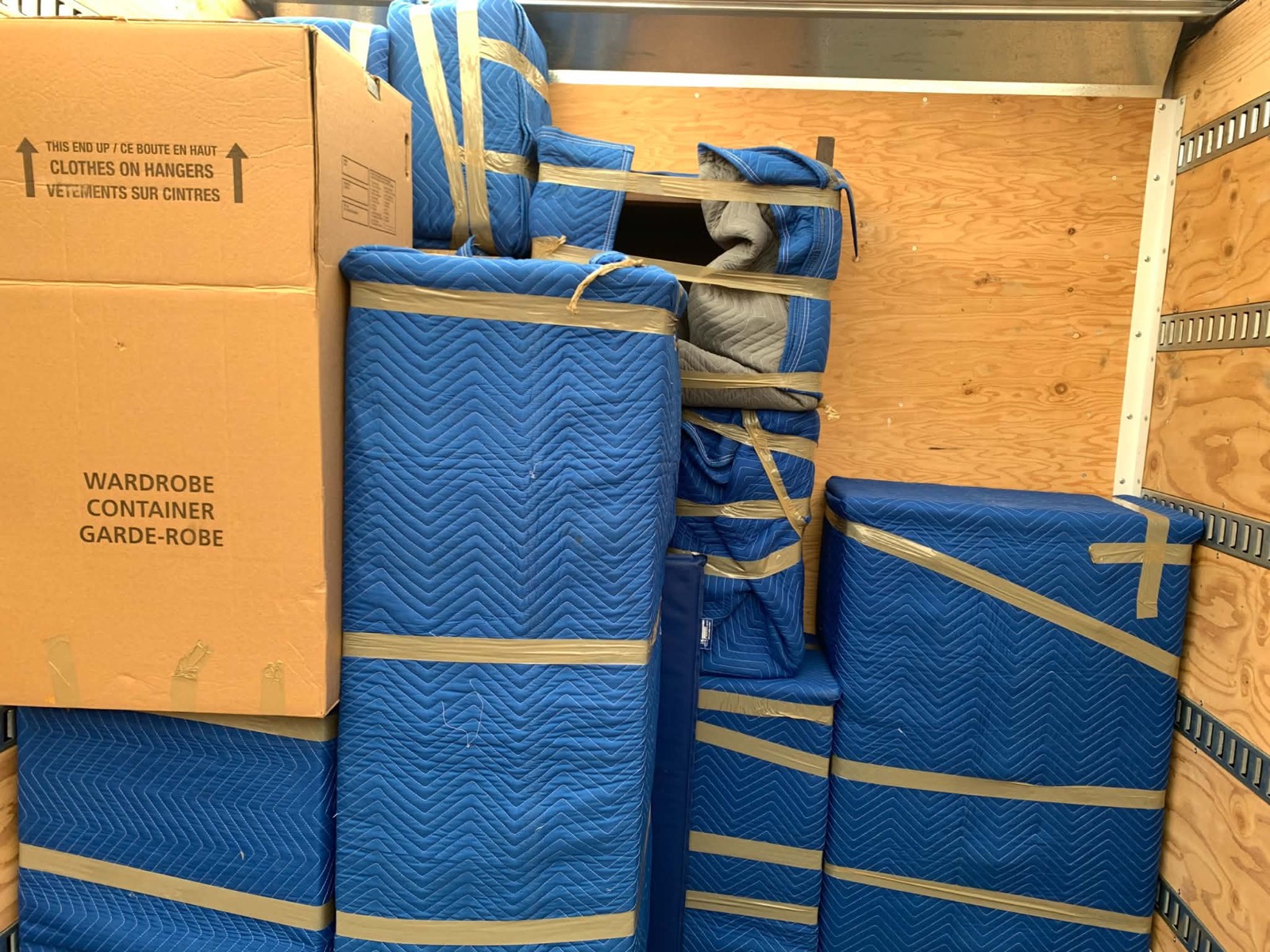
Blankets, shrink and tape on every piece — not only the fragile ones.
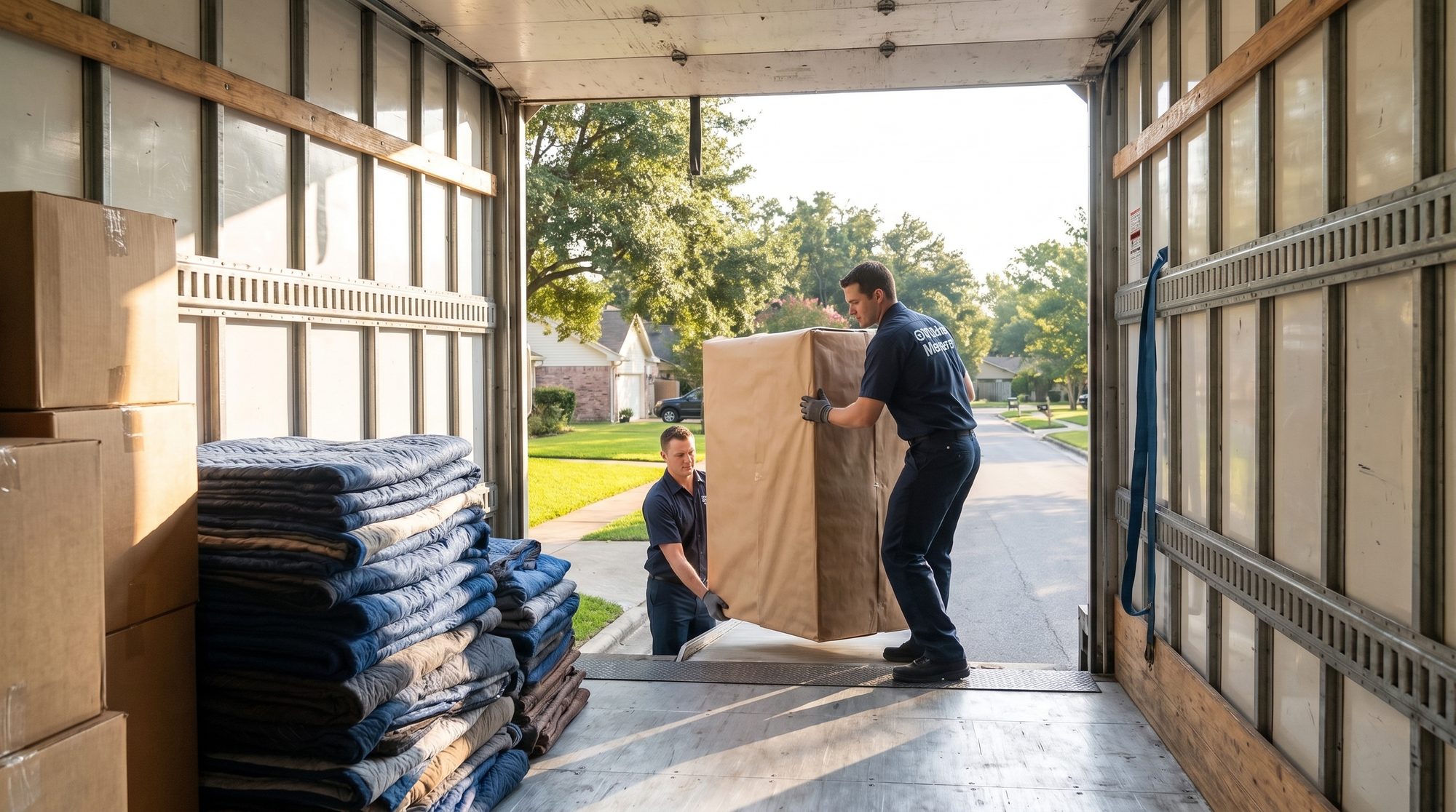
Each tier is strapped before the next goes up — that is what stops shifting.
Carried to the room you choose, inside the window we agreed in writing.
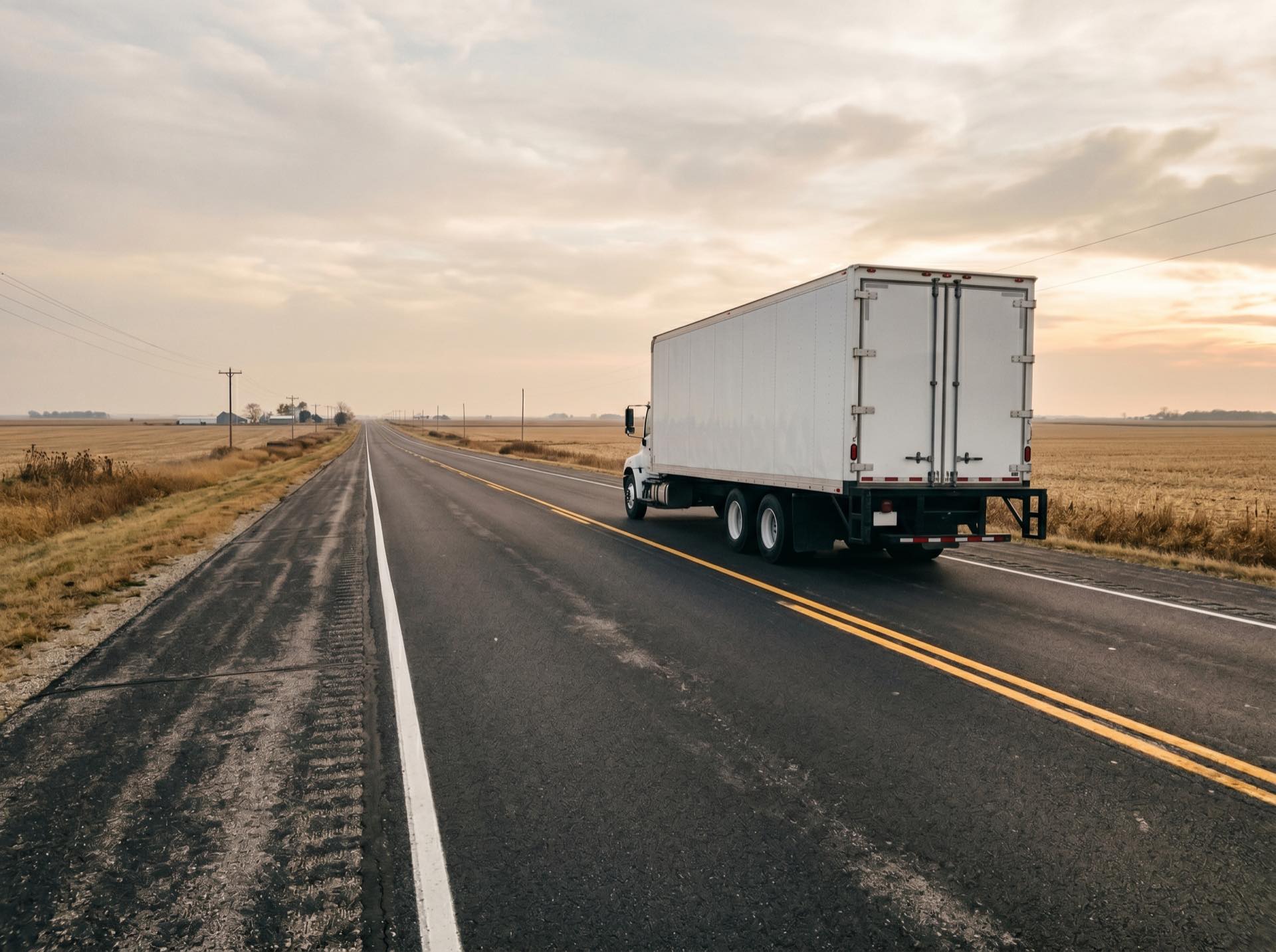
Our trucks work the whole of California, small towns included. A place that isn't on this list is usually still on a lane we already run — ring +1 (888) 505-1086 and we'll check the access before we quote you.
California moves lean hardest on packing and white glove service. High-value inventories, art, and wine collections are common, buildings demand professional-grade protection, and the walk-ups and hillside homes that define the state's housing stock make crating and disassembly routine rather than optional. Storage matters too, because California closing dates rarely align.
Get my fixed price
Long-haul household relocations across the continental map — scheduling, documentation, and unpacking on arrival included, with one crew responsible throughout.
The top tier. Concierge-level service: we'll pack, transport, unpack, arrange, and even hang the art on the walls before we leave.
Household moves of every scale. Beds, wardrobes and tables are dismantled, transported and reassembled, and nobody drives off until it is all where it belongs.
Offices, studios and workspaces relocated outside trading hours. The aim is simple: no lost working days between the old address and the new one.
Art, heirlooms, instruments, and glass packed the way galleries pack them, with bespoke crates constructed in your home for anything off-size.
Warehousing with climate control and 24-hour security. Use it for a week between closings or indefinitely; the inventory and the insurance run throughout.
There is no price table on this page on purpose. A figure quoted before anyone has seen your household is a guess, and guesses are what become revised invoices at the far end. What follows is what genuinely shifts the cost of a California move — each line itemized in writing before you sign, and binding once you do.
The practical detail changes by state — where the trucks can go, when the weather cooperates, who licenses whom. Here is how that plays out in California.
I-5 runs the length of the state and I-15 and I-40 carry most eastbound long-haul volume. The real complexity is urban: San Francisco requires temporary no-parking postings placed 72 hours ahead, most Los Angeles high-rises restrict moves to weekday business hours, and hillside addresses in the Oakland hills, Silver Lake, and La Jolla often need a shuttle because a 53-foot trailer physically cannot turn around. Wildfire closures on I-5 and the mountain passes are a real seasonal factor. Main corridors: I-5, I-10, I-15, I-80, US-101.
Summer is peak, and the last two weeks of August are the tightest in the state because of university calendars in Berkeley, Westwood, Davis, and San Luis Obispo. October and November are excellent value, with the caveat that late-season wildfire and Santa Ana wind events can close a route with little notice. Winter moves out of Northern California occasionally hit chain controls on I-80 and Donner Pass.
The dominant outbound lanes from California are Texas, Arizona, Nevada, Washington, Idaho, and Florida, and they are driven overwhelmingly by housing cost and remote-work flexibility. The Bay Area and Los Angeles account for most of the volume; the Central Valley and Sacramento sit closer to break-even. Inbound moves have not stopped — tech, entertainment, and university hiring still pull households into the state — but the net flow has been outbound for several years running.
Interstate moves out of California are federal: look for an active USDOT number and FMCSA authority. Ours are USDOT #4575745 and MC-1820728. Movers operating only inside the state answer instead to the California Bureau of Household Goods and Services (BHGS), which licenses movers operating within the state — a registration that is not authority to take your belongings across the line.
These three catch people out in California often enough that we look for all of them at survey — which is how they end up in the quote instead of on the final invoice.
San Francisco, Santa Monica, Berkeley, and much of Los Angeles require a posted temporary no-parking permit for a moving truck. These take 3 to 10 business days to obtain. We file them, but late bookings can mean a long carry from wherever we can legally stop.
Almost every California high-rise and HOA requires a COI naming the building as additional insured, often with specific limits. We issue these routinely — send us the building's requirements as soon as you have them.
Homes in the Oakland hills, the Hollywood Hills, Topanga, and coastal San Diego frequently have no place to turn a tractor-trailer. We stage a smaller shuttle truck, which is a planned line item in your quote rather than a day-of surprise.
Crews at work: the California movers who handle family homes, business relocations and cross-country hauls.
What customers want settled before they choose between California movers and the national vans.
Nothing for you to file — the permit covers the truck at the curb, and we apply for it and post it. Most of San Francisco requires one, as do many Los Angeles and Santa Monica neighborhoods, and the posting has to go up days ahead. All we need from you is the exact address early; a late address is the most common avoidable problem on a California move.
Between 2,400 and 2,900 miles, so 8 to 14 days on a standard consolidated shipment and 5 to 7 on a dedicated truck. You get a delivery spread at booking and a confirmed 24-hour window once the load is dispatched.
Yes. Storage-in-transit is common on California moves because closing dates rarely line up. Your goods stay in inventoried vaults and are redelivered on your date. We quote the storage cost up front rather than accruing it silently.
Yes, and there are two separate authorities. Any company moving household goods across a state line must hold an active USDOT number and interstate operating authority from the FMCSA — ours are USDOT #4575745 and MC-1820728, and you can verify both on the FMCSA's public SAFER database before paying a deposit.
Movers working only inside California are registered instead with the California Bureau of Household Goods and Services (BHGS), which licenses movers operating within the state — and that is not the same thing. An intrastate registration gives no authority to carry your goods across the California line, which is the single most frequent problem we spot in paperwork customers send us to review. While you're checking, settle two more questions: is the price binding or an estimate that can be rewritten at delivery, and is the company a carrier with its own trucks or a broker selling the job on? We are a carrier, our prices are binding, and the crew and truck are ours.
Our California movers cover the continental US. The destinations below are the ones local households pick most; each links to a guide on arriving there — access, building rules, and the right time of year.
Our team is available 24 / 7. Call us or send an email and we'll get back to you within a few hours.