Secure · never sold to brokers
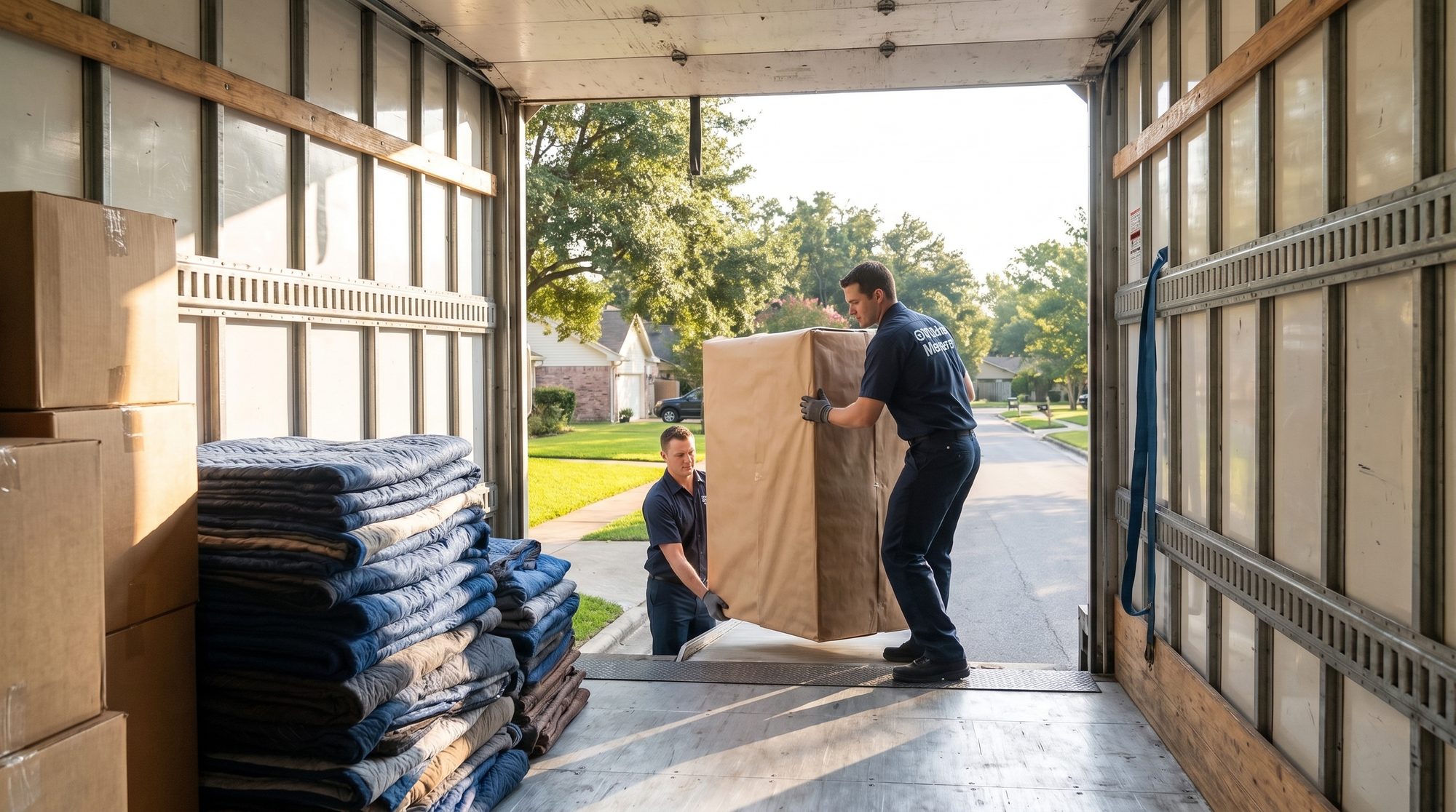
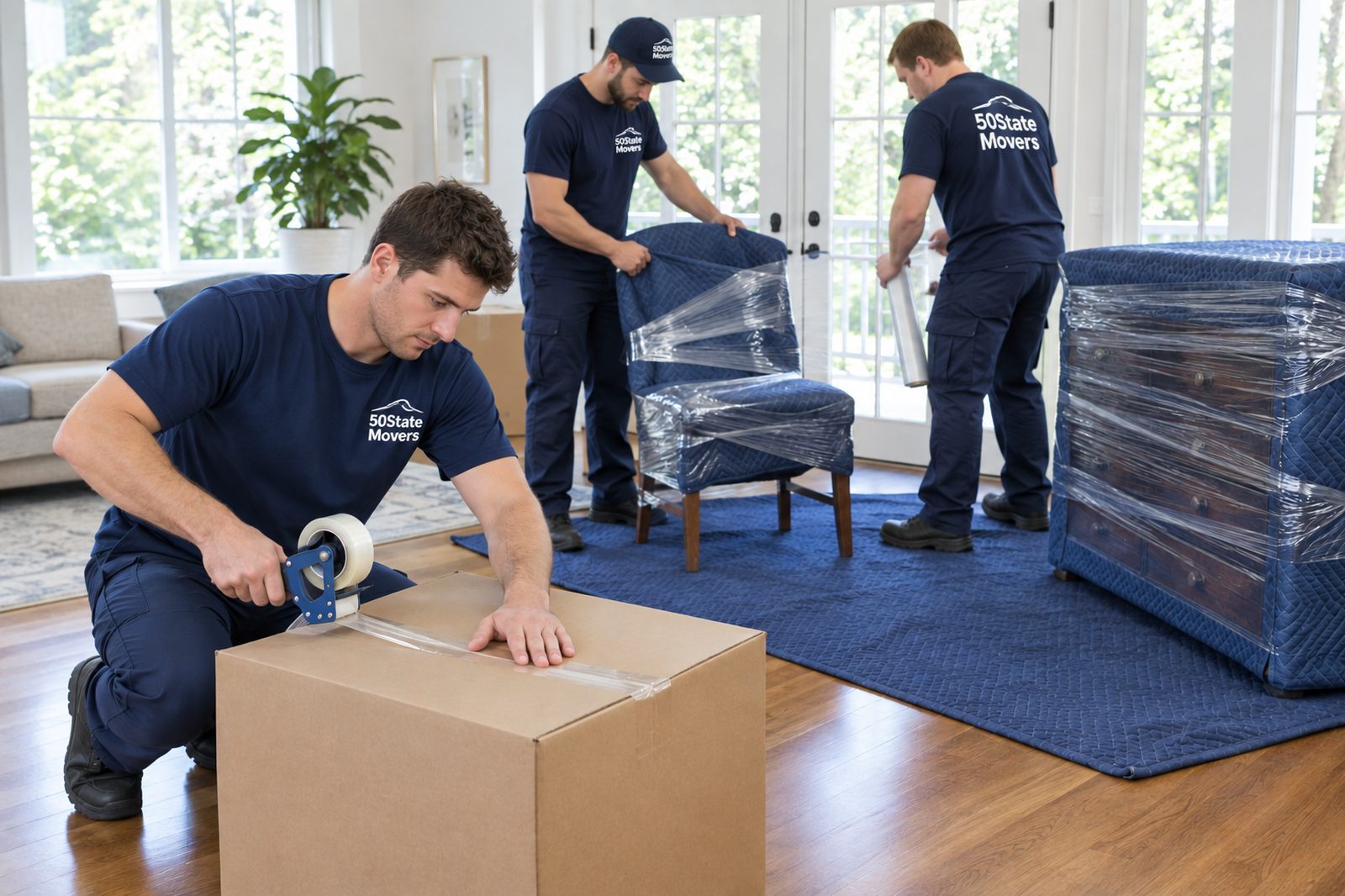
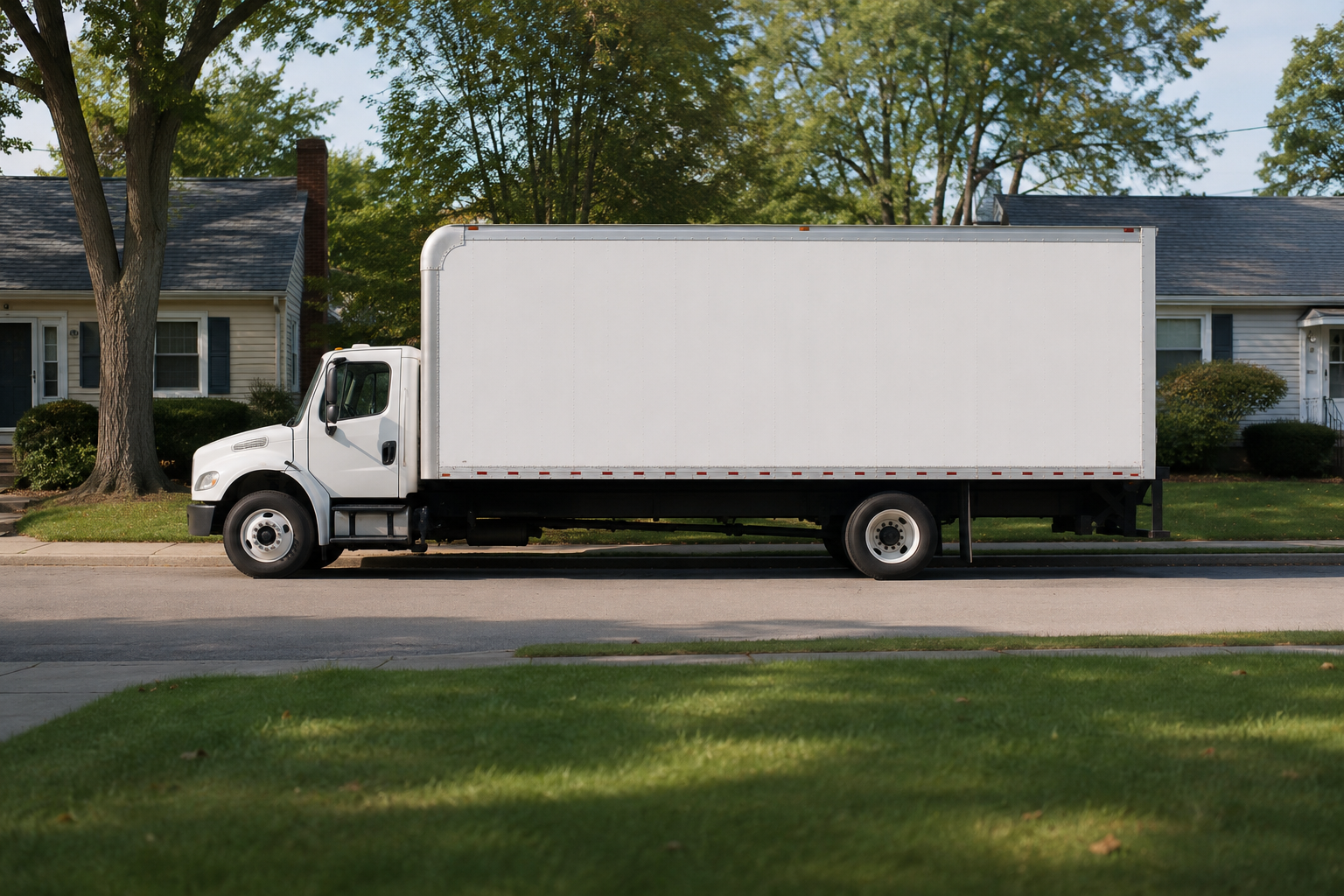
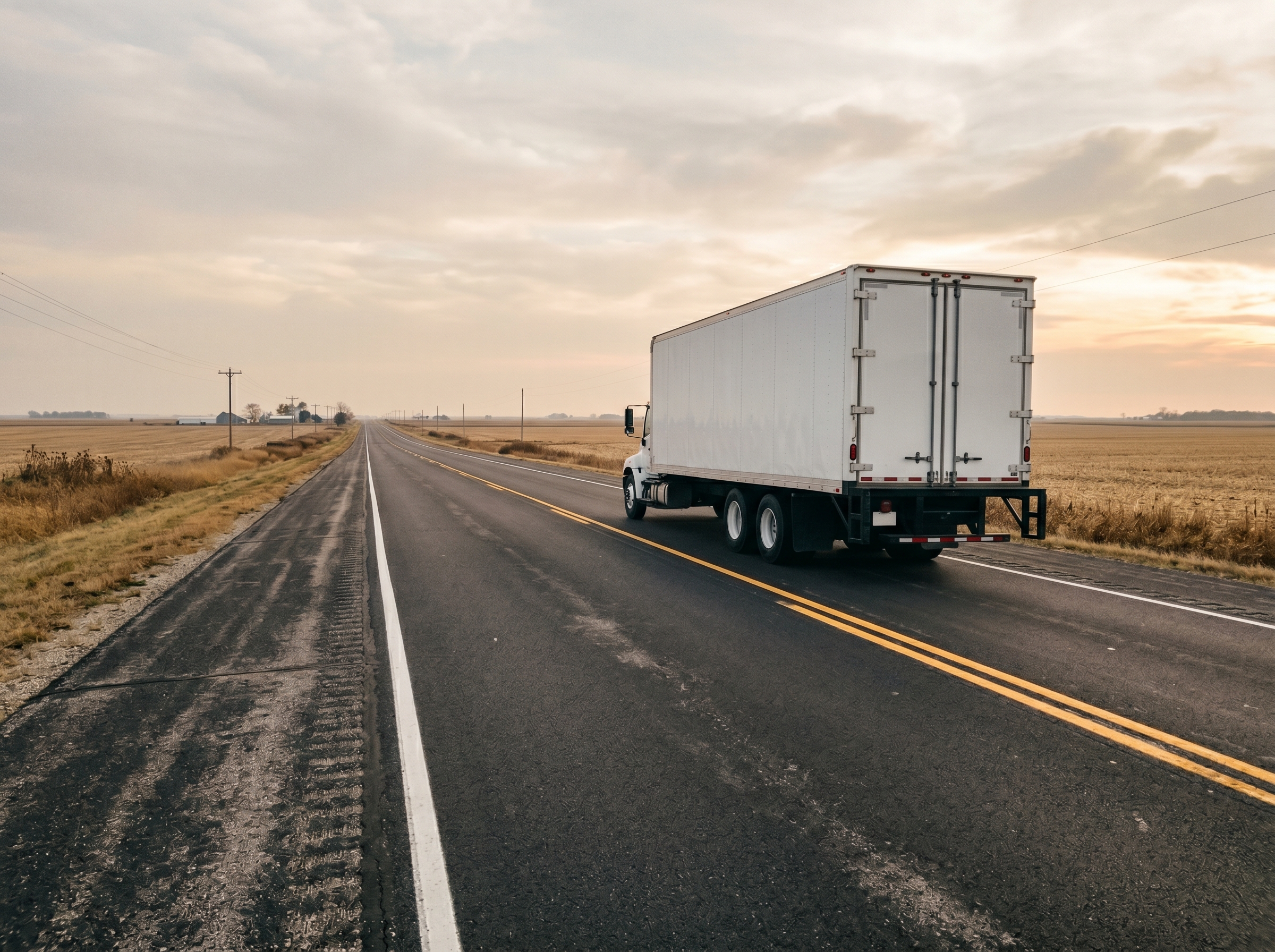
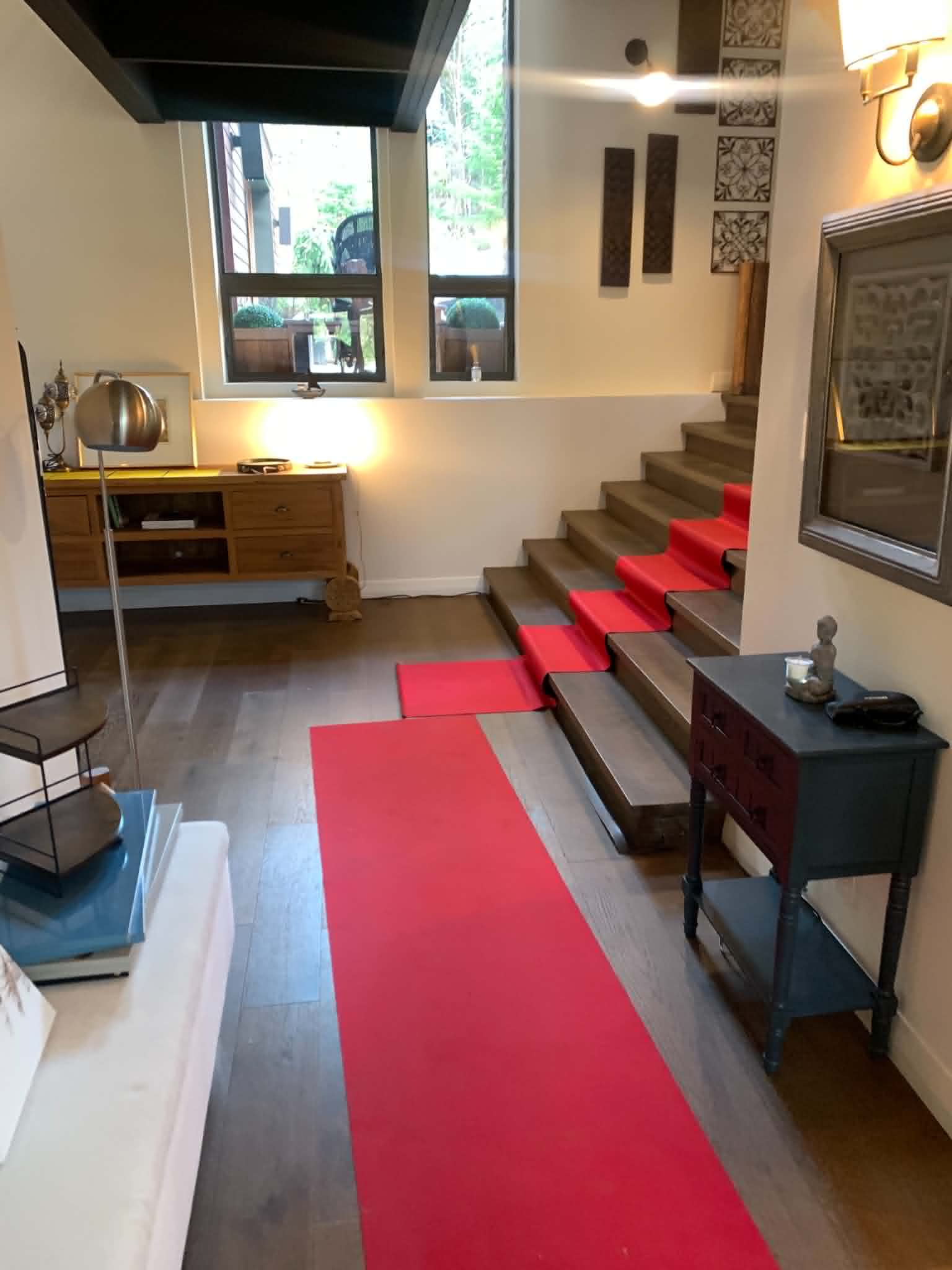
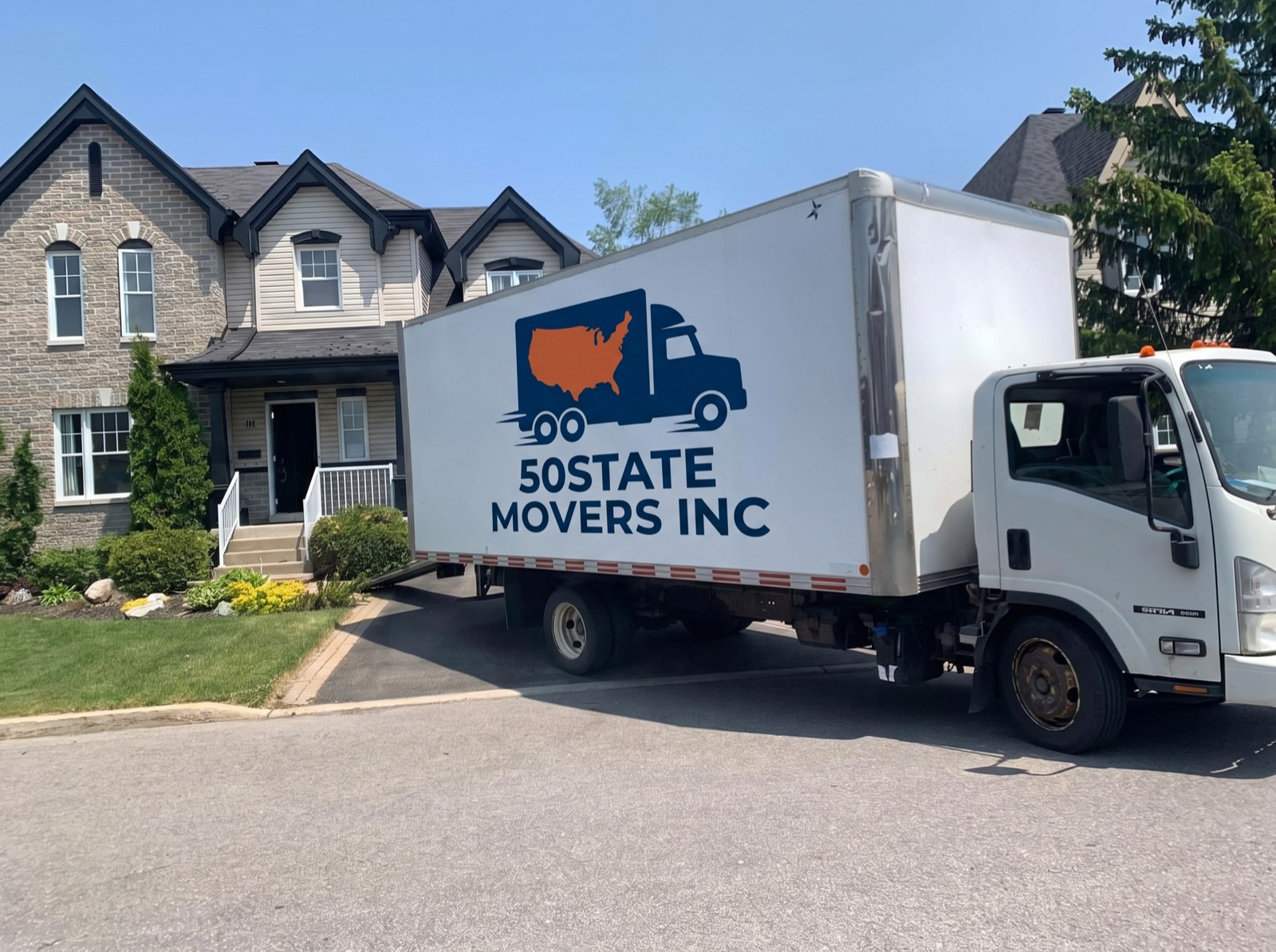
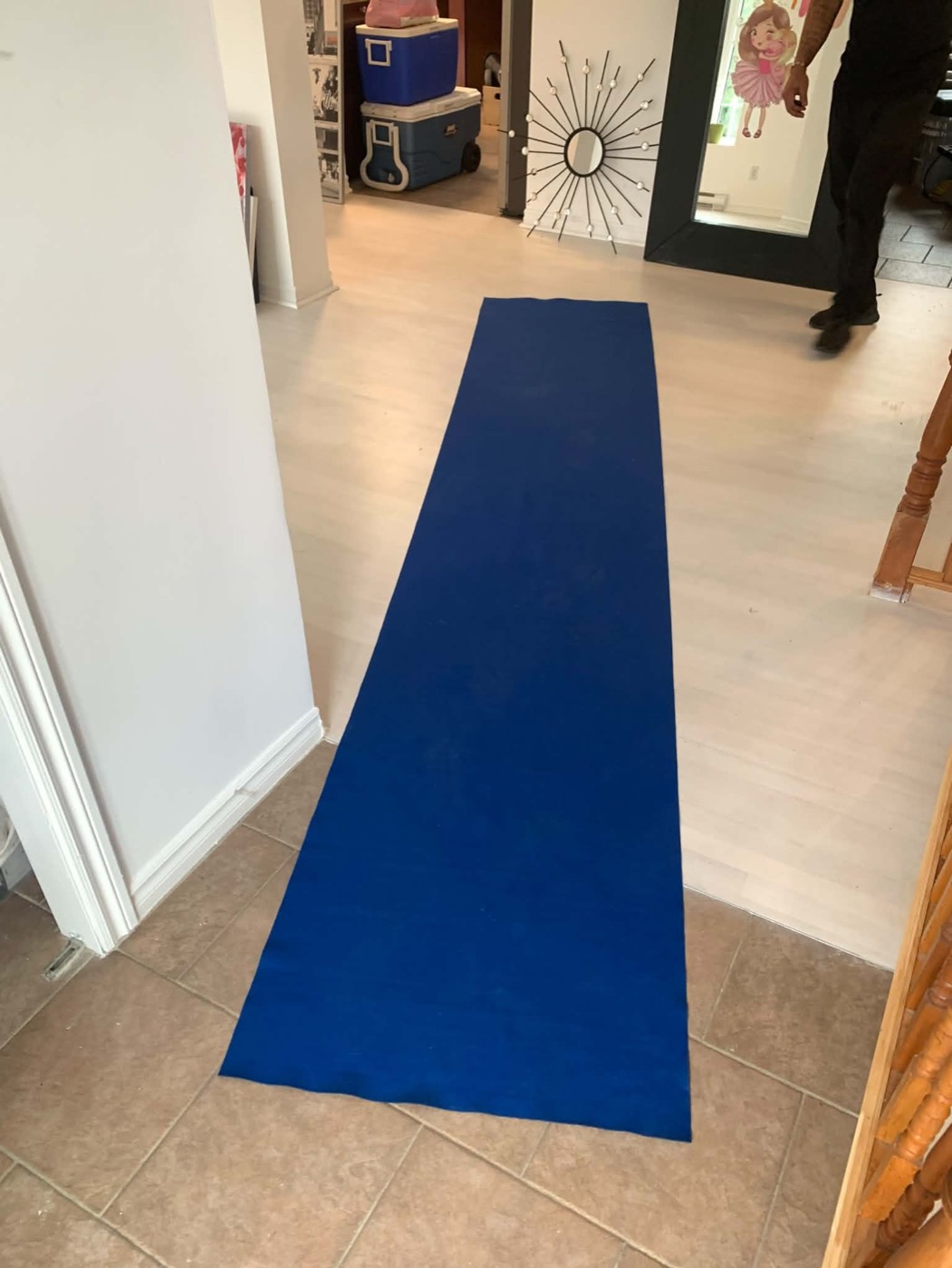
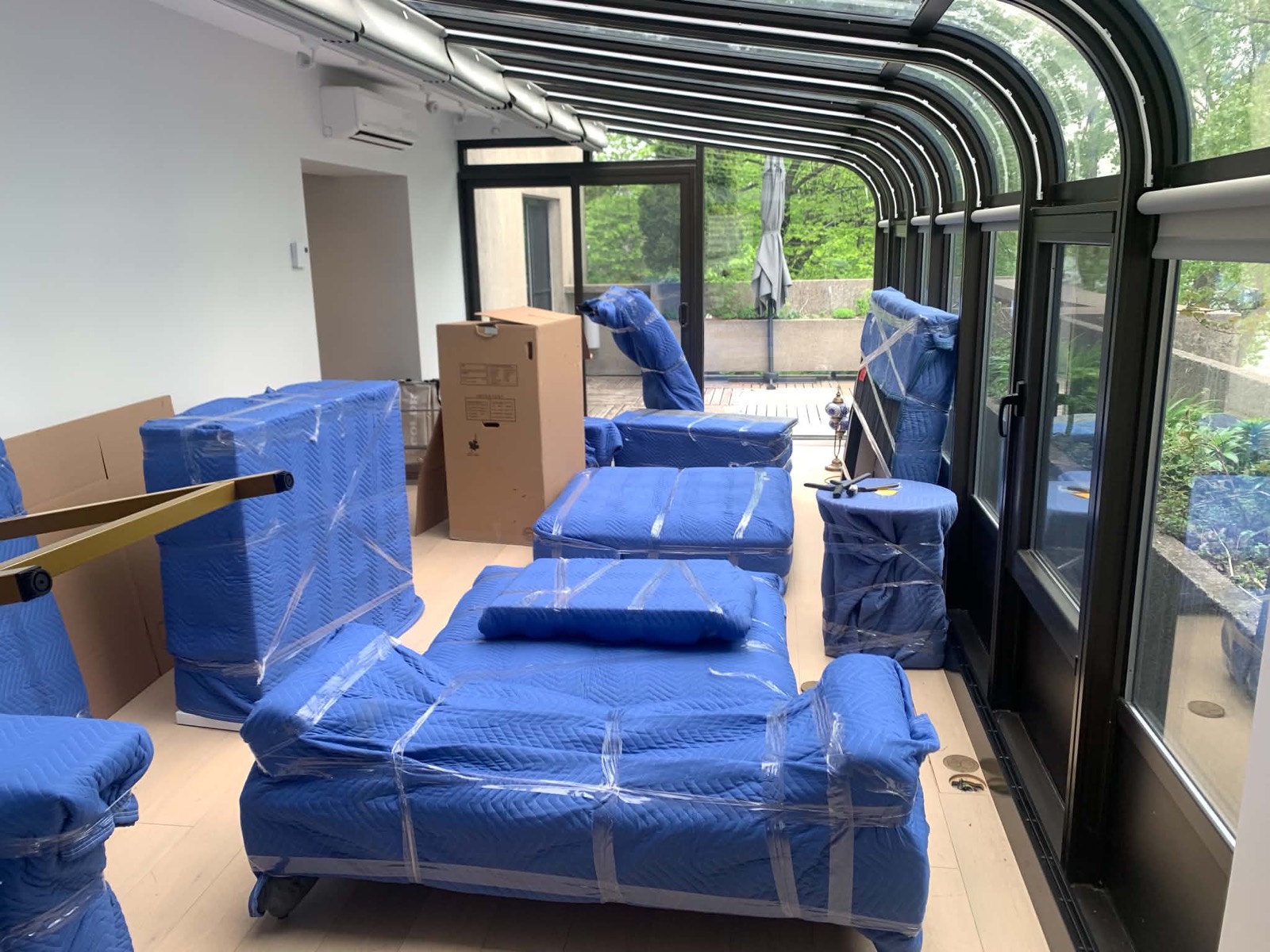
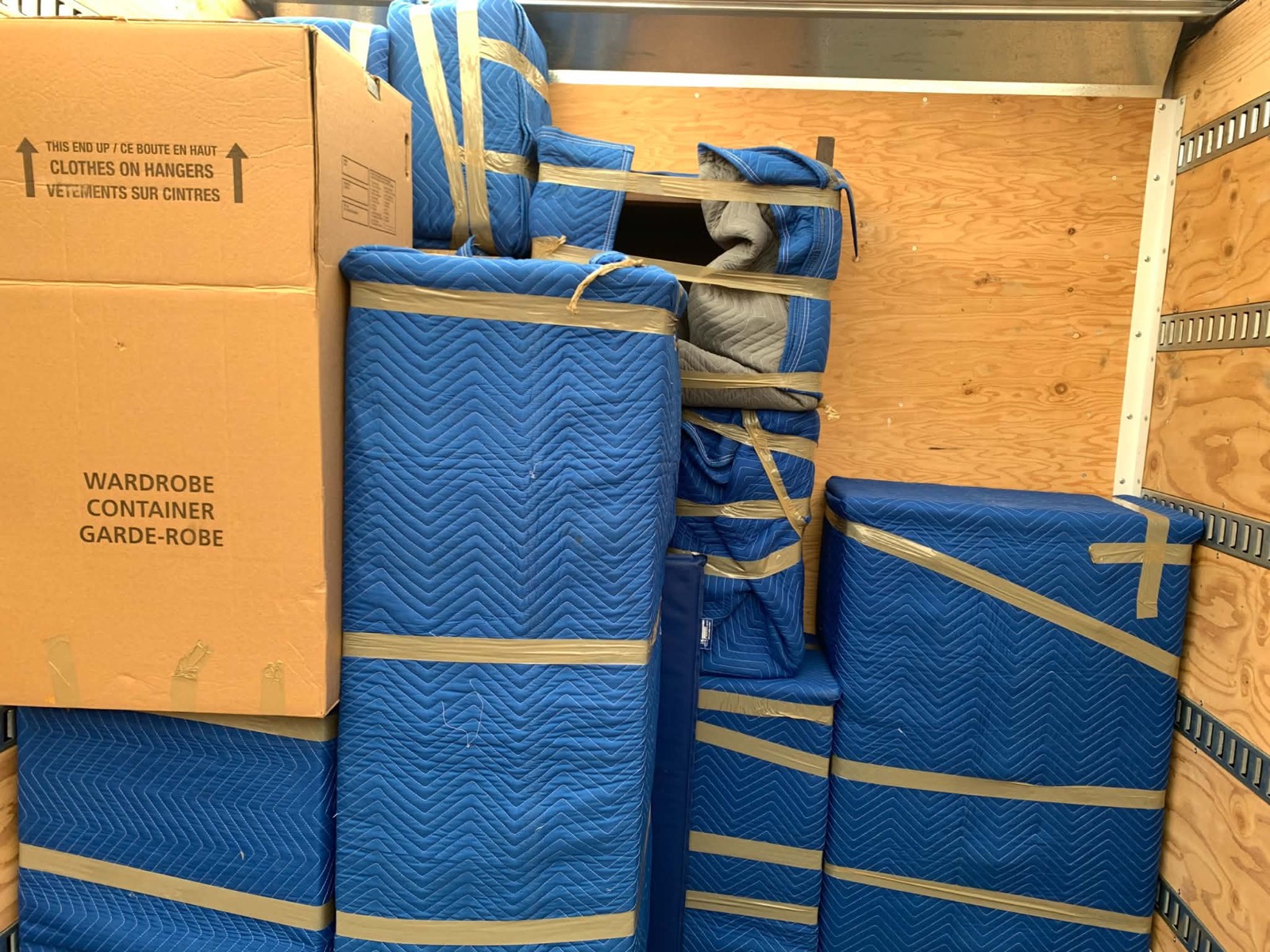
One job, four stages — photographed on our own Washington movers at work, not bought in.
Floor runners and jamb pads go in before anything is lifted.
Every piece gets a blanket and shrink, not just the obvious fragiles.
Strapped row by row, so the load rides the same at mile 900 as at mile one.
Placed where you want it at the far end, on the date we committed to.
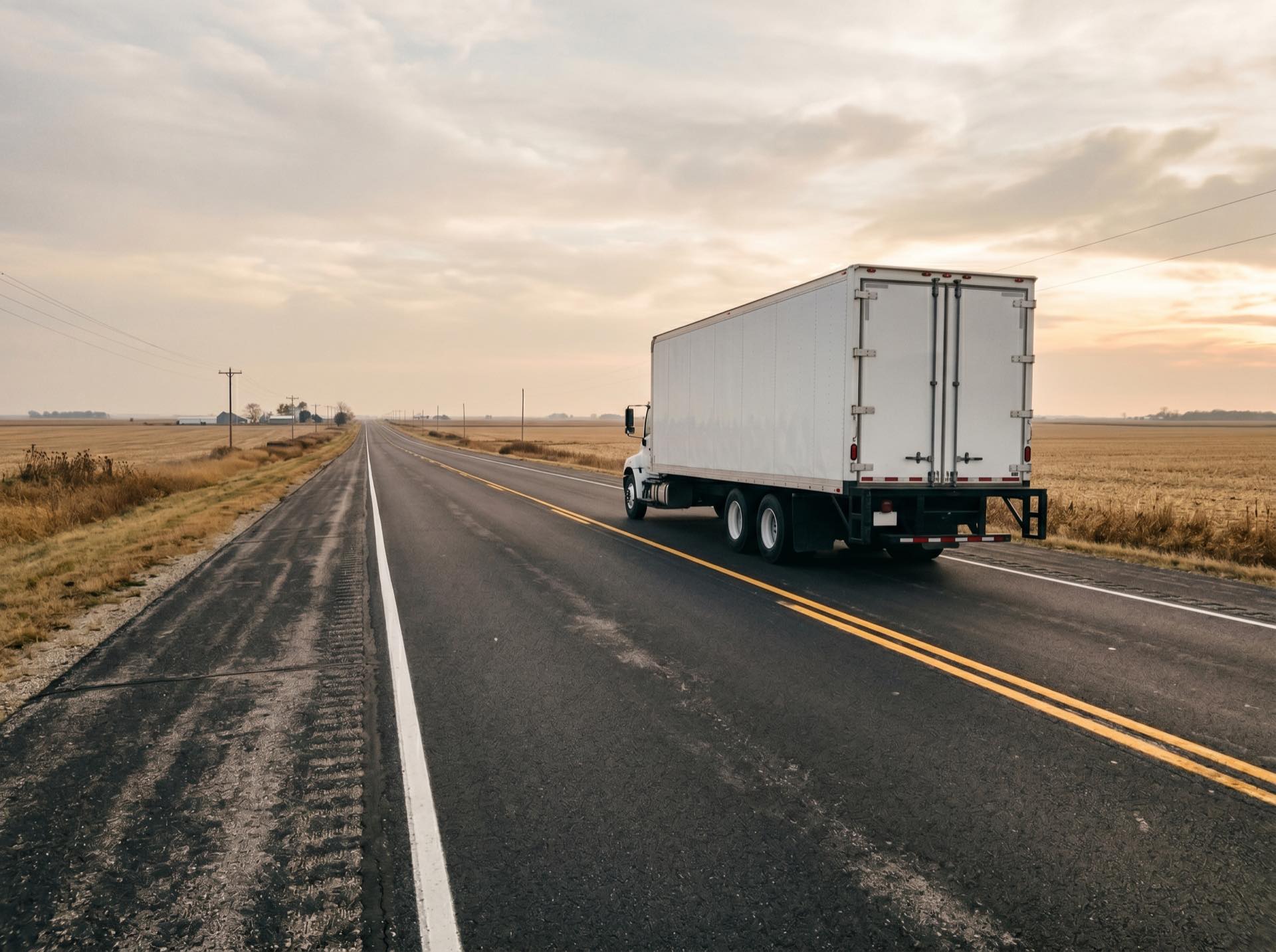
Coverage here isn't limited to the big cities. If you don't see your town below, ask anyway: most addresses in Washington sit on an existing route. Call +1 (888) 505-1086 and we'll confirm the truck can reach you first.
Washington leans toward packing and storage. Eight months of rain means everything is wrapped indoors before it leaves the house, Seattle's hillside homes and stair-only approaches add real labor, and the tech corridor's corporate relocations frequently need goods held while a closing completes.
Get my fixed price
Interstate and cross-country moving, end to end. We plan the lane, handle the paperwork, and unpack you at the other side.
Our highest tier of service. Packed, carried, unpacked, placed — down to the pictures back on the walls before the crew leaves.
From studio apartments to five-bedroom homes. We disassemble, transport, and reassemble — and we never leave before everything's in its place.
Commercial relocations run overnight or across a weekend, so the business closes on Friday in one building and opens on Monday in the next.
Museum-grade packing for art, antiques, and anything fragile. We build custom crates on site when off-the-shelf won't do.
Climate-controlled, 24-hour-monitored units in secure facilities. Short-term overflow or long-term, fully insured and inventoried throughout.
Anyone quoting a Washington move sight-unseen is estimating, and estimates get revised at delivery. So rather than a rate card, here is what actually decides the number. All of it appears as a line in your written quote, and the total on that quote is the total you pay.
Local conditions decide how a Washington move actually runs. These are the four that come up on almost every job we book here.
I-5 runs north–south and I-90 is the primary eastbound route, crossing Snoqualmie Pass. Seattle requires a street-use permit to reserve curb space for a moving truck, and the city's hills, narrow streets, and houses on steep lots make long carries and shuttles common. Capitol Hill, Queen Anne, and Ballard are particularly difficult. Bellevue and Eastside high-rises require COIs and dock reservations. Main corridors: I-5, I-90, I-405, I-82, US-2.
Peak is June through September, which is also the dry season and by far the best loading weather. From October through May, persistent rain requires extra floor protection and wrapping. Snoqualmie Pass sees closures and chain requirements from November through April, which affects any eastbound move. Late summer wildfire smoke and highway closures east of the Cascades have become a recurring factor.
Washington gained heavily from California through the tech boom and continues to draw engineering and healthcare relocations into Puget Sound. Outbound volume has grown substantially, going to Idaho, Arizona, Texas, and back to California, driven by housing costs and remote work. Spokane and the eastern half of the state gain from in-state migration out of Seattle. Vancouver, Washington absorbs Portland-area households seeking no state income tax.
Interstate moves out of Washington are federal: look for an active USDOT number and FMCSA authority. Ours are USDOT #4575745 and MC-1820728. Movers operating only inside the state answer instead to the Washington Utilities and Transportation Commission, which permits household-goods movers operating within the state — a registration that is not authority to take your belongings across the line.
Three recurring ways a Washington move gets costlier than expected. None of them are surprises to us; we check each one before the quote is written.
Reserving curb space for a moving truck in Seattle requires a city street-use permit posted in advance. Without it, the truck parks wherever it can and you pay for the carry.
I-90 over Snoqualmie is the only practical eastbound route, and it closes for avalanche control and storms in winter. Eastbound winter windows carry a contingency day.
Seattle's topography means many homes sit well above or below street level with stairs as the only approach. That changes crew size significantly and we assess it at survey.
A sample of the moves behind the quotes, all of them run by our own movers from Washington.
The answers people ask for before committing to a Washington move with any interstate movers.
The permit is for the truck, not for you, and we file it as part of the booking. Most Seattle streets need a street-use permit to hold curb space, and with the city's parking density and hills it matters more here than most places. It takes lead time, so give us the address early.
Seattle to the Bay Area is about 800 miles and to Los Angeles roughly 1,150 — 4 to 8 days consolidated, 2 to 3 days dedicated. California destinations often need their own parking permits and building COIs, which we arrange.
Only for eastbound routes toward Spokane or the interior. I-90 over the pass closes for avalanche control and storms from November through April. We build a contingency day into eastbound winter windows rather than promising a date we might miss.
It affects the method rather than the schedule. From October through May we bring extra floor runners, wrap upholstery inside the house before it goes out, and allow additional time. Crews here work in rain routinely.
Yes — and the licence you need depends on where the truck is going. Crossing a state line requires an active USDOT number plus interstate operating authority from the FMCSA. Ours are USDOT #4575745 and MC-1820728; both are public on the FMCSA's SAFER database, and you should look them up before any money changes hands.
Purely local movers hold a the Washington Utilities and Transportation Commission, which permits household-goods movers operating within the state registration rather than federal authority. The difference is not paperwork pedantry — an intrastate-only registration does not permit anyone to carry your household out of Washington, and it is the gap we most often find in quotes customers ask us to look over. Two further questions are worth asking anyone: whether the quoted price is binding or an estimate open to revision on delivery day, and whether you are hiring a carrier or a broker. We own the trucks, employ the crew, and quote binding fixed prices.
Anywhere in the lower 48 is a lane for our movers from Washington. These are simply the common pairings, and each state has a guide of its own on what delivery there involves.
Our team is available 24 / 7. Call us or send an email and we'll get back to you within a few hours.