Secure · never sold to brokers
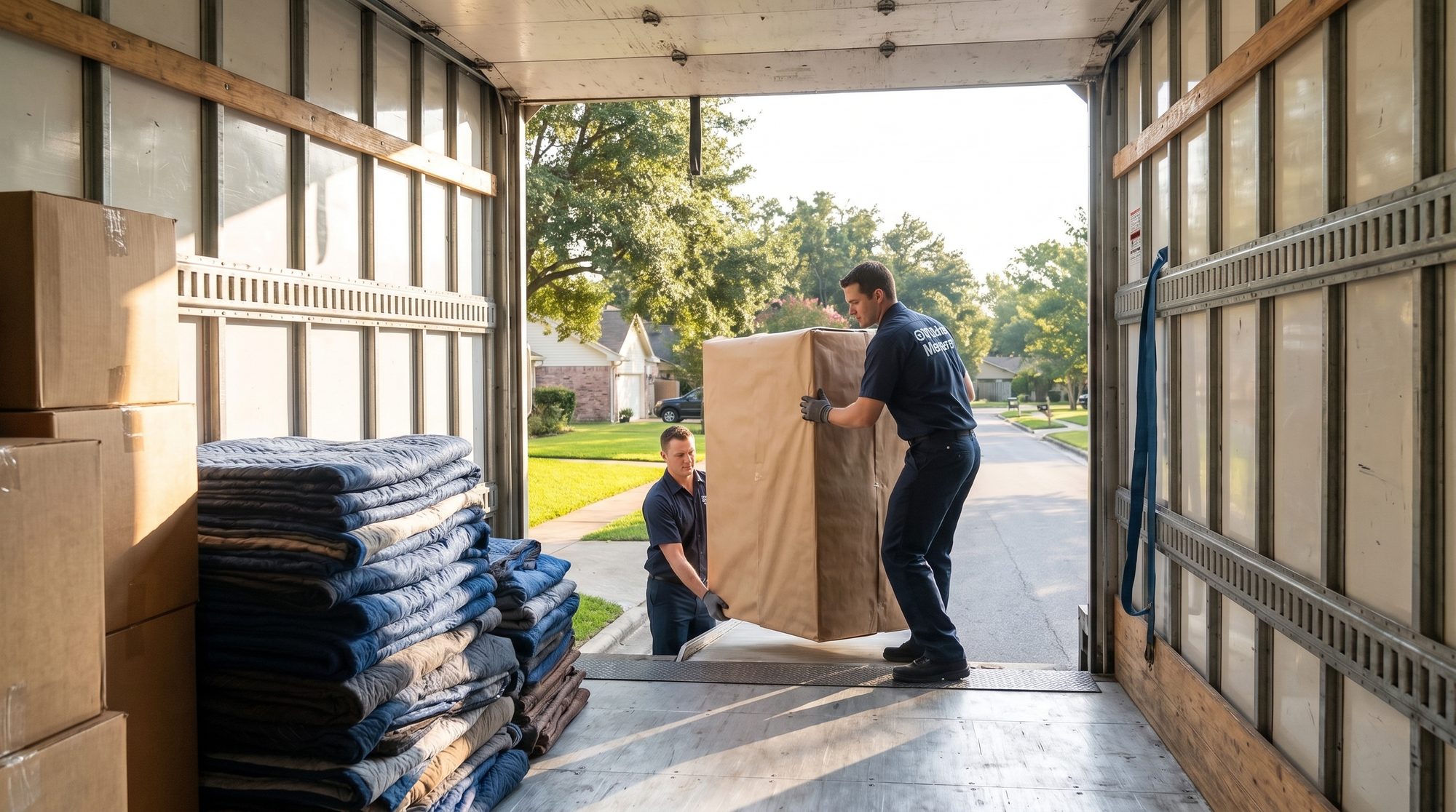
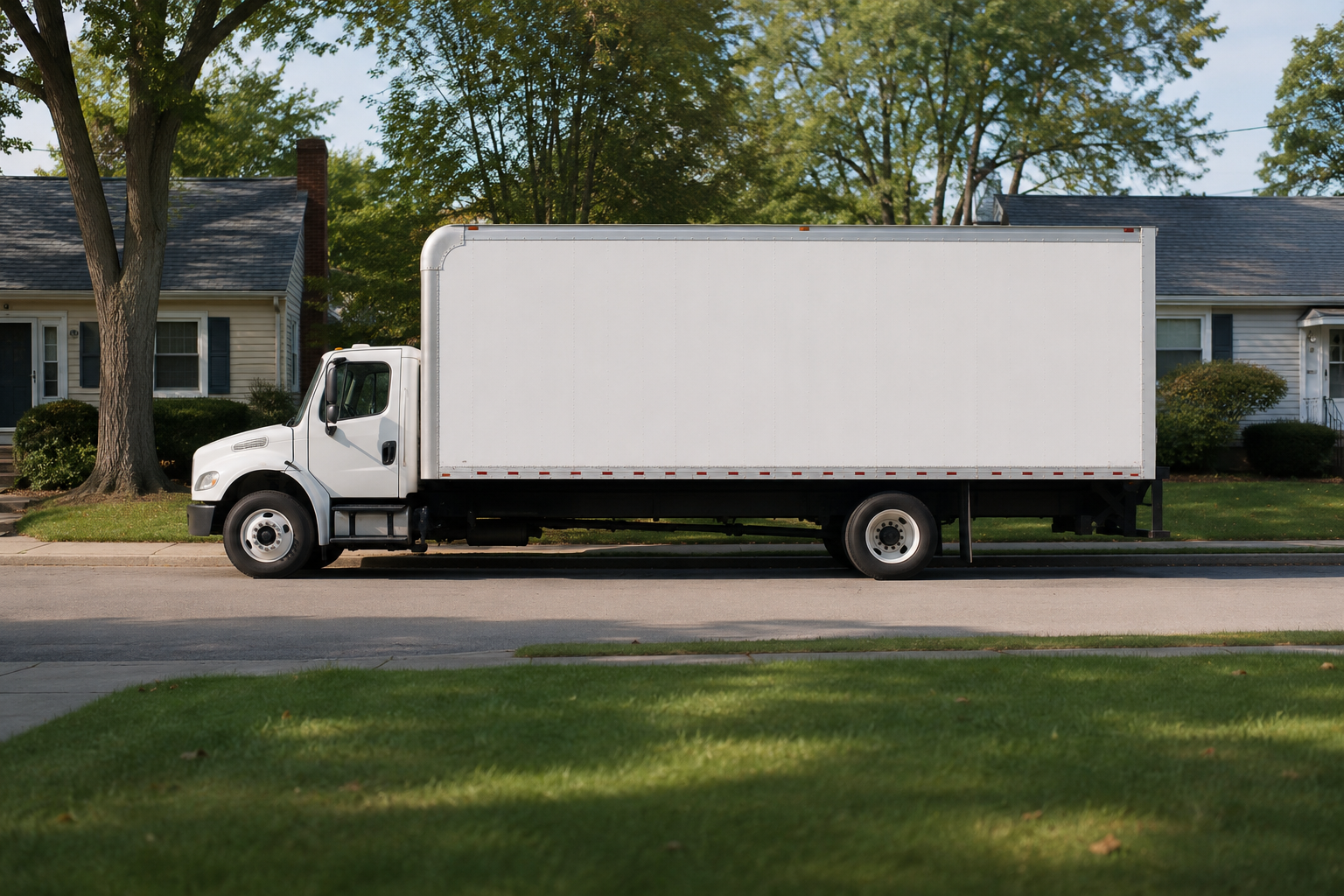
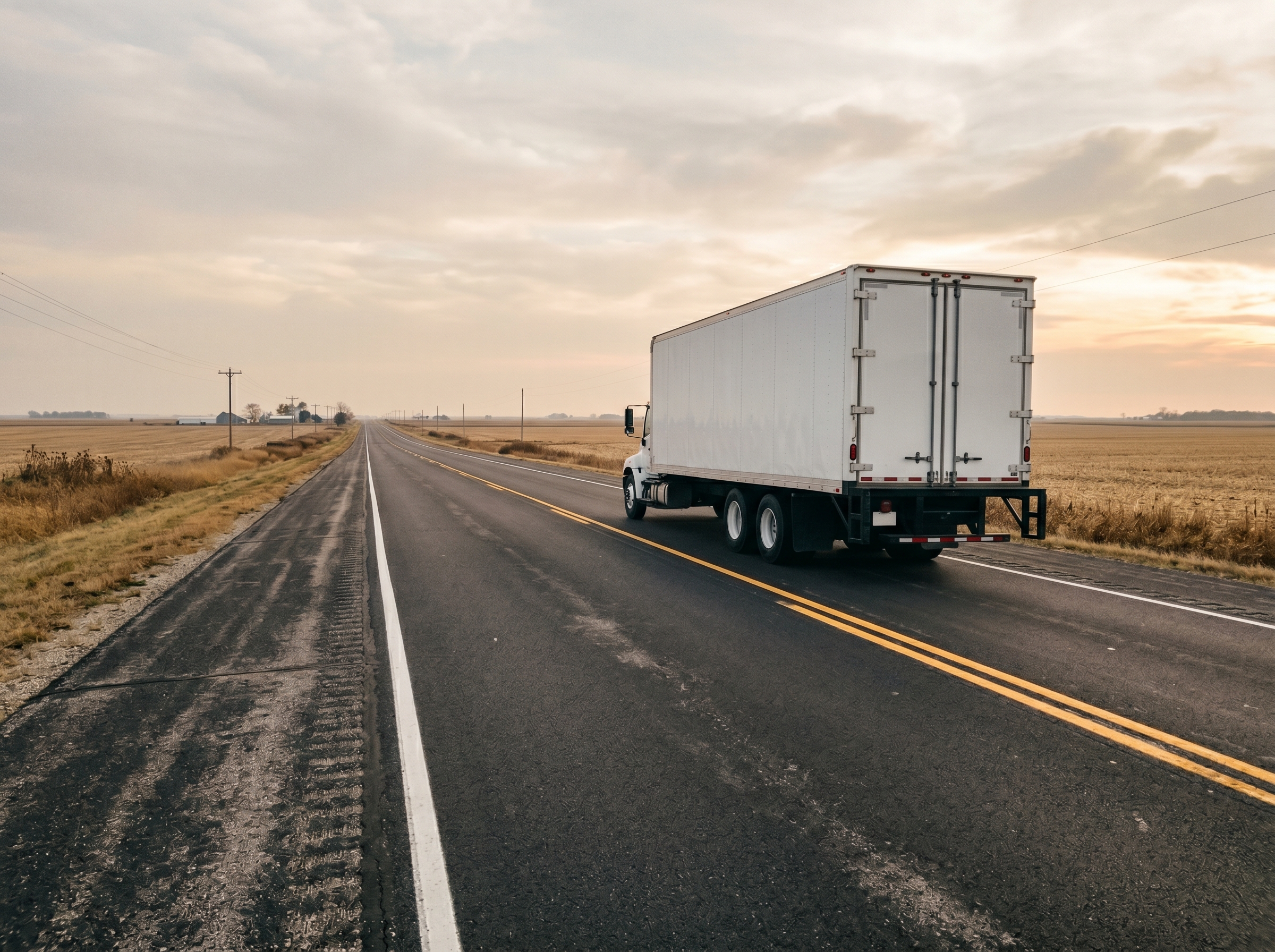
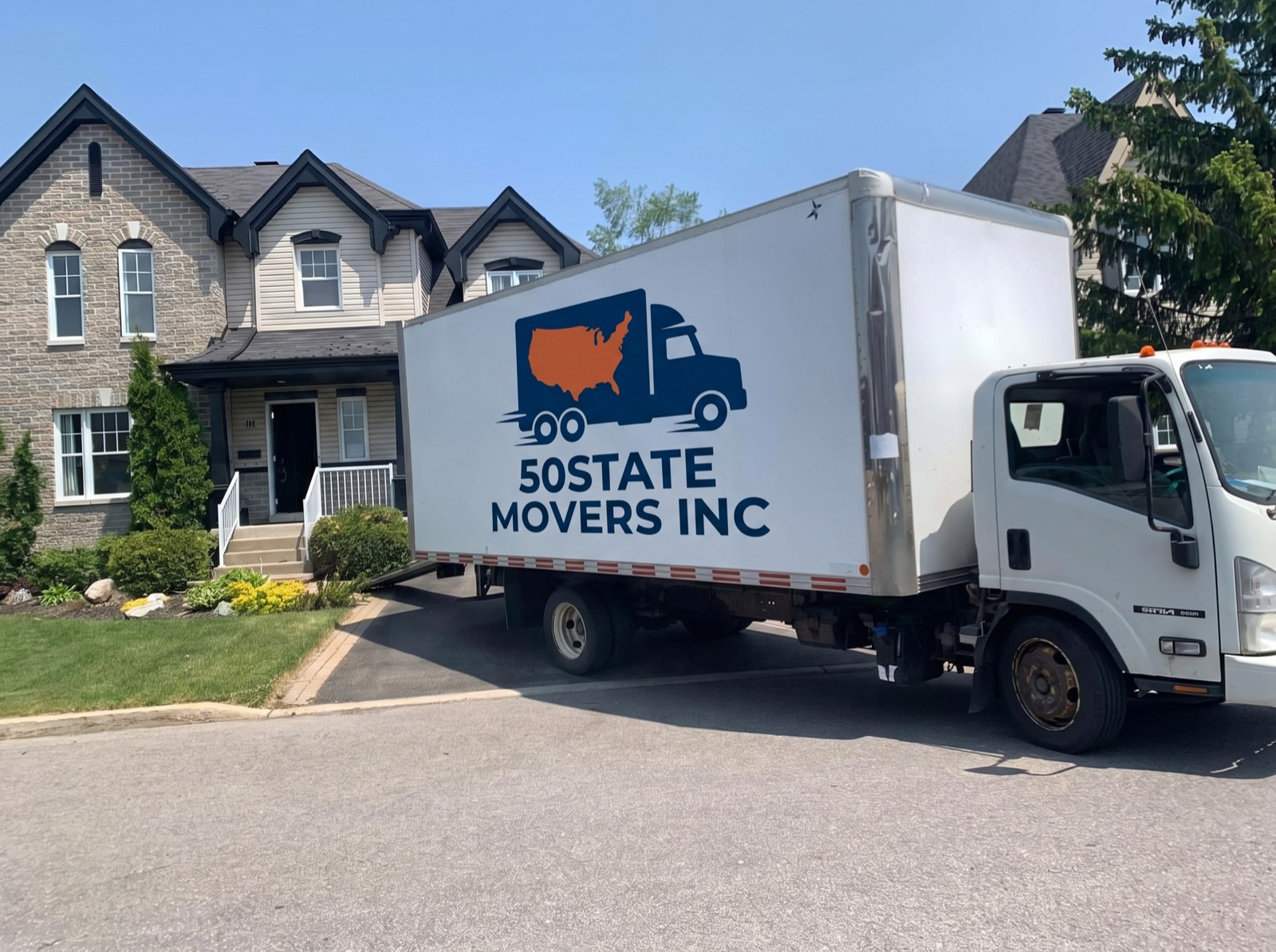
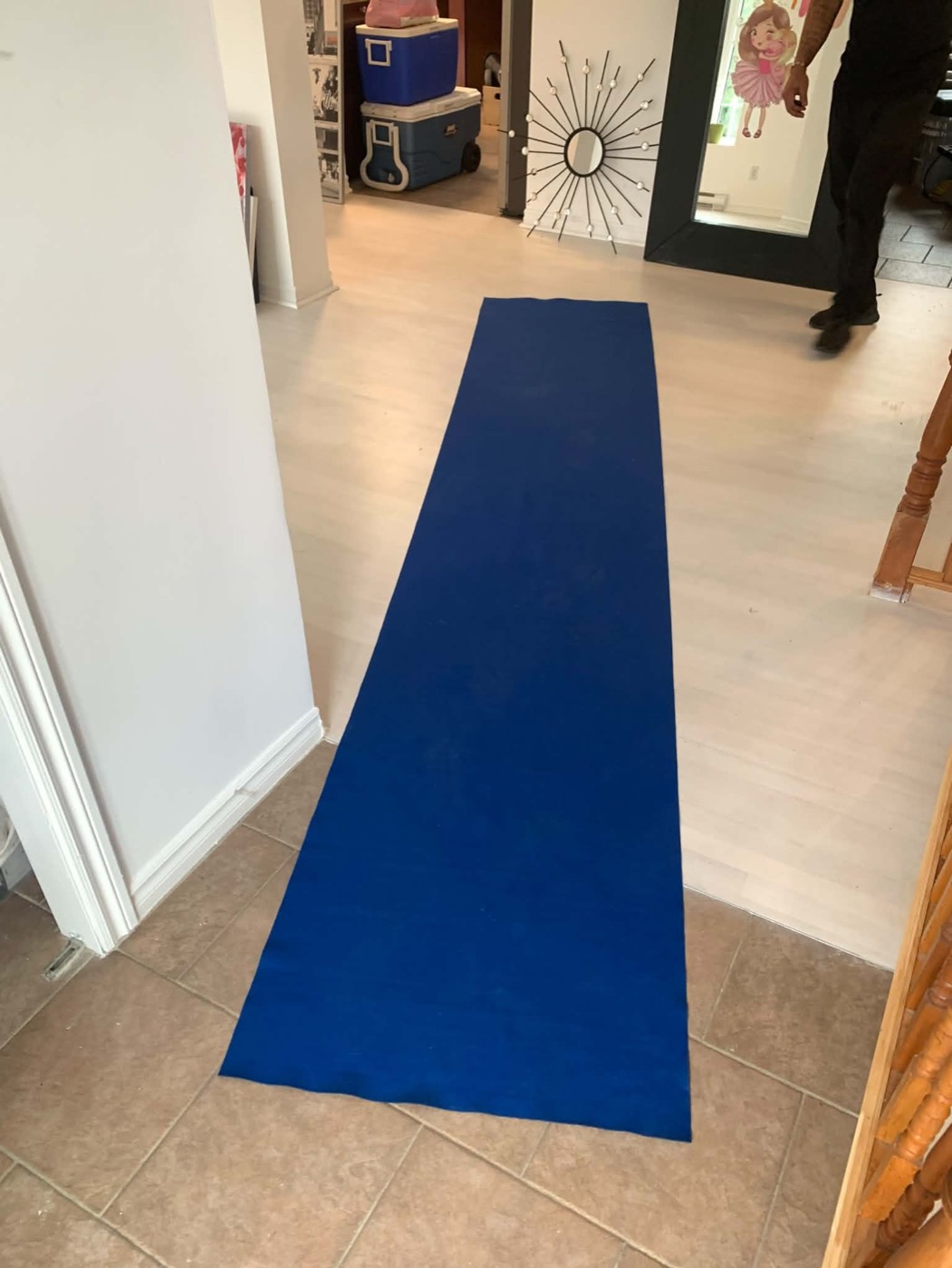
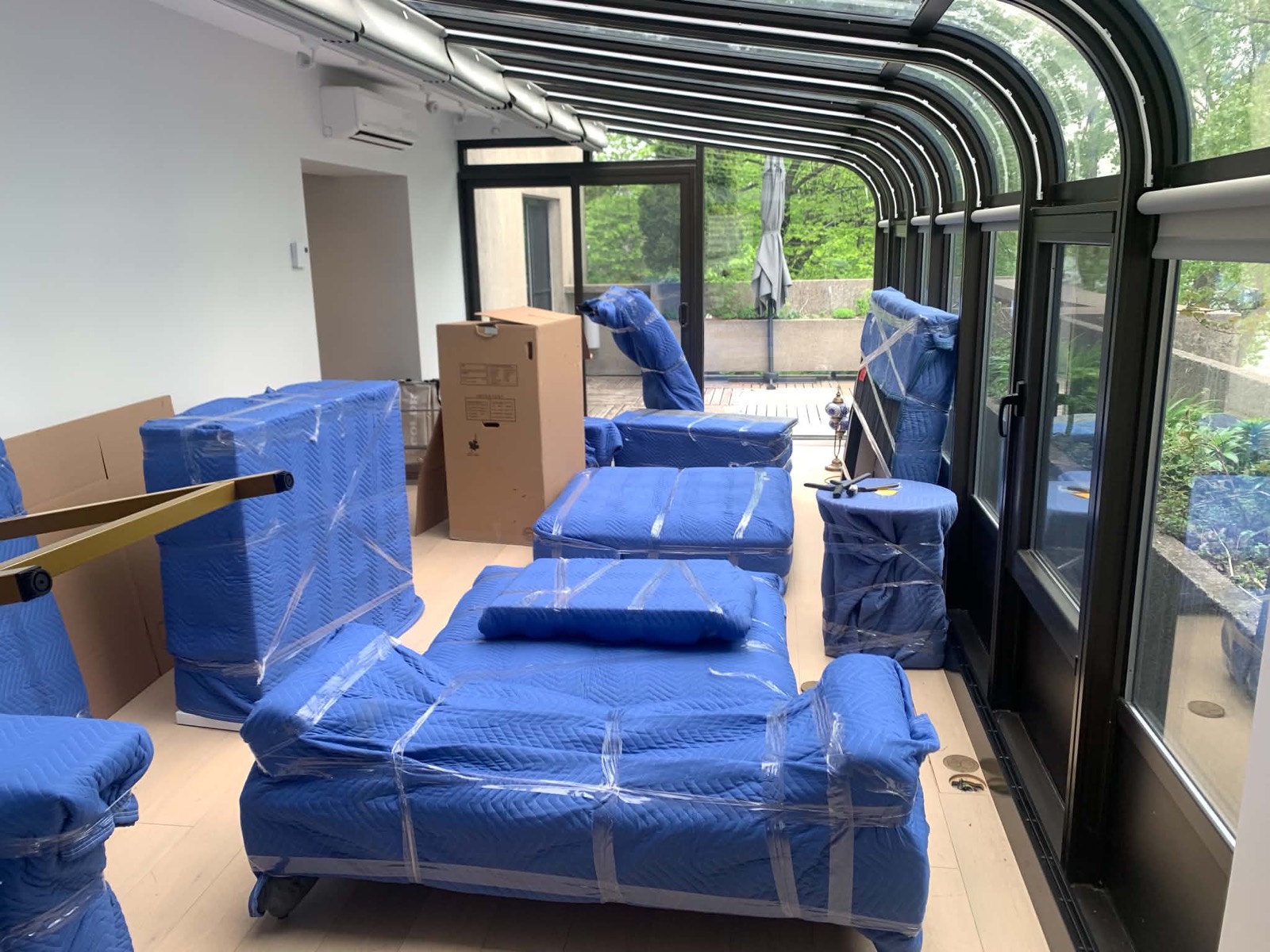
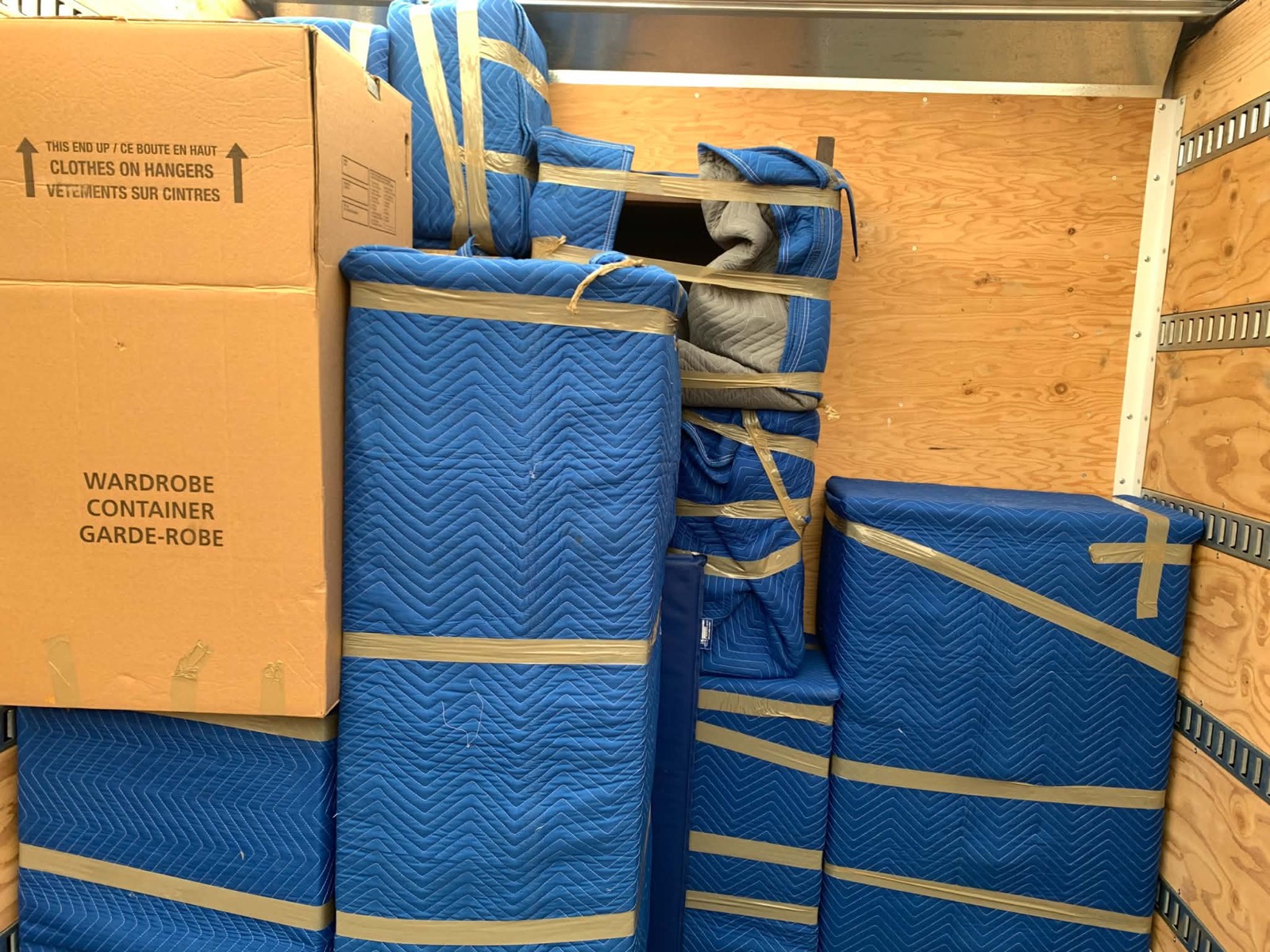
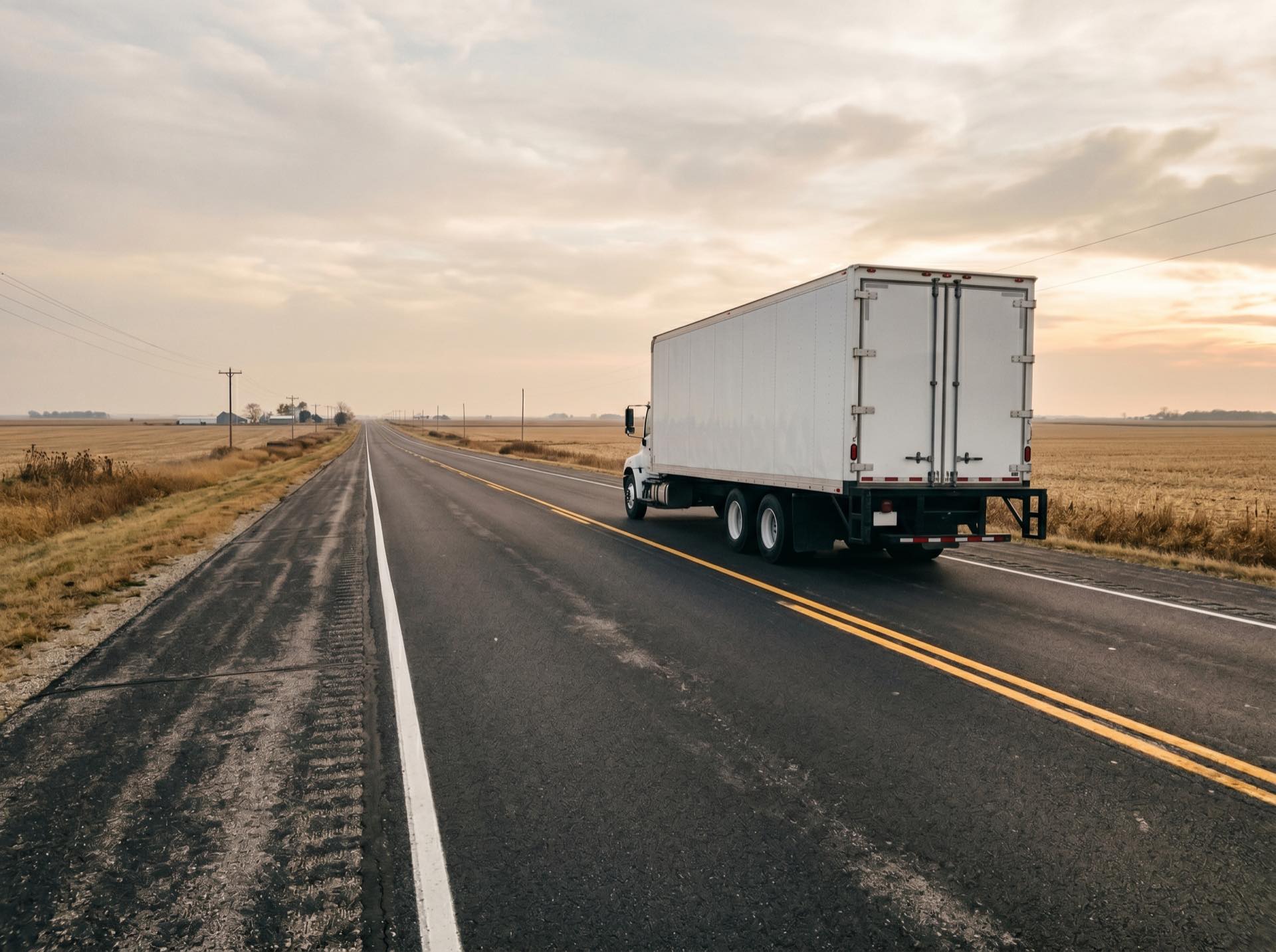
One job, four stages — photographed on our own Colorado movers at work, not bought in.
Floor runners and jamb pads go in before anything is lifted.
Every piece gets a blanket and shrink, not just the obvious fragiles.
Strapped row by row, so the load rides the same at mile 900 as at mile one.
Placed where you want it at the far end, on the date we committed to.
Coverage here isn't limited to the big cities. If you don't see your town below, ask anyway: most addresses in Colorado sit on an existing route. Call +1 (888) 505-1086 and we'll confirm the truck can reach you first.
Colorado's service demand centers on long distance and storage. Front Range households leaving for Texas and Arizona make up most of our volume, while mountain-county moves frequently need storage-in-transit because a delivery window that crosses the Divide in winter cannot be pinned to a single date. Packing demand rises in Boulder and the ski towns.
Get my fixed price
Interstate and cross-country moving, end to end. We plan the lane, handle the paperwork, and unpack you at the other side.
Our highest tier of service. Packed, carried, unpacked, placed — down to the pictures back on the walls before the crew leaves.
From studio apartments to five-bedroom homes. We disassemble, transport, and reassemble — and we never leave before everything's in its place.
Commercial relocations run overnight or across a weekend, so the business closes on Friday in one building and opens on Monday in the next.
Museum-grade packing for art, antiques, and anything fragile. We build custom crates on site when off-the-shelf won't do.
Climate-controlled, 24-hour-monitored units in secure facilities. Short-term overflow or long-term, fully insured and inventoried throughout.
Anyone quoting a Colorado move sight-unseen is estimating, and estimates get revised at delivery. So rather than a rate card, here is what actually decides the number. All of it appears as a line in your written quote, and the total on that quote is the total you pay.
Local conditions decide how a Colorado move actually runs. These are the four that come up on almost every job we book here.
I-25 north–south and I-70 east–west carry everything. I-70 through the Eisenhower Tunnel and Vail Pass is the single biggest scheduling variable in the state: chain and traction laws apply from September through May, and a closure can add a full day. Denver's older neighborhoods — Capitol Hill, Baker, Highlands — have alley-only access and narrow streets, and downtown high-rises require freight elevator reservations. Above 8,000 feet, expect a shuttle for many properties. Main corridors: I-25, I-70, I-76, US-285.
June through August is peak and books out early. September and early October are the best window in Colorado: good weather, open availability, and passes still clear. From November through April, any move crossing the Continental Divide carries genuine schedule risk, and we build that into the delivery window rather than promising a date we cannot hold. Spring is the wettest snow season on the Front Range — March blizzards are more common than January ones.
Denver and the northern Front Range absorbed a decade of inbound migration from California, Illinois, and Texas, and the flow has moderated rather than reversed. What has grown is intra-regional outbound — Denver households leaving for Colorado Springs, Boise, Phoenix, and Dallas as Front Range housing costs climbed. Boulder and Fort Collins run distinct university-driven cycles, and the mountain counties are dominated by second-home and seasonal-staff movement.
Interstate moves out of Colorado are federal: look for an active USDOT number and FMCSA authority. Ours are USDOT #4575745 and MC-1820728. Movers operating only inside the state answer instead to the Colorado Public Utilities Commission, which permits household-goods movers operating within the state — a registration that is not authority to take your belongings across the line.
Three recurring ways a Colorado move gets costlier than expected. None of them are surprises to us; we check each one before the quote is written.
A move to or from Summit, Eagle, or Pitkin County between November and April should assume at least one weather contingency day. We schedule these loads to cross passes in daylight, which is both safer and faster.
Aerosols, sealed liquids, and some electronics behave differently between sea level and 5,280 feet. We flag pressurized containers at survey and pack liquids to prevent leaks over the elevation change.
Many resort-town HOAs restrict moving trucks during ski season entirely, or limit them to midweek mornings. Vail, Breckenridge, and Aspen properties need building approval well ahead of the date.
A sample of the moves behind the quotes, all of them run by our own movers from Colorado.
The answers people ask for before committing to a Colorado move with any interstate movers.
It can if your route crosses the Divide. I-70 closures at Vail Pass and the Eisenhower Tunnel are routine from November through April. Front Range moves along I-25 are much less exposed. We give you a realistic delivery window rather than a date we would have to break.
Yes — Vail, Breckenridge, Steamboat, Aspen, and Telluride. Expect two constraints: many HOAs restrict truck access during ski season, and most properties need a shuttle because a tractor-trailer cannot navigate the last mile. Both are priced into the quote up front.
Six to eight weeks for a June-through-August date, three to four weeks otherwise. Denver's peak season is unusually compressed because so much of the metro's turnover happens around the same lease and school calendar. Whatever your date, call us before you assume it is too late — we run last-minute long-distance moves every week and will tell you straight away whether we can take yours.
Yes. Downtown Denver, LoDo, and RiNo buildings generally require a certificate of insurance naming the building, a reserved freight elevator, and a loading-dock time slot. We file the COI and coordinate with building management directly.
Yes — and the licence you need depends on where the truck is going. Crossing a state line requires an active USDOT number plus interstate operating authority from the FMCSA. Ours are USDOT #4575745 and MC-1820728; both are public on the FMCSA's SAFER database, and you should look them up before any money changes hands.
Purely local movers hold a the Colorado Public Utilities Commission, which permits household-goods movers operating within the state registration rather than federal authority. The difference is not paperwork pedantry — an intrastate-only registration does not permit anyone to carry your household out of Colorado, and it is the gap we most often find in quotes customers ask us to look over. Two further questions are worth asking anyone: whether the quoted price is binding or an estimate open to revision on delivery day, and whether you are hiring a carrier or a broker. We own the trucks, employ the crew, and quote binding fixed prices.
Anywhere in the lower 48 is a lane for our movers from Colorado. These are simply the common pairings, and each state has a guide of its own on what delivery there involves.
Our team is available 24 / 7. Call us or send an email and we'll get back to you within a few hours.