Secure · never sold to brokers
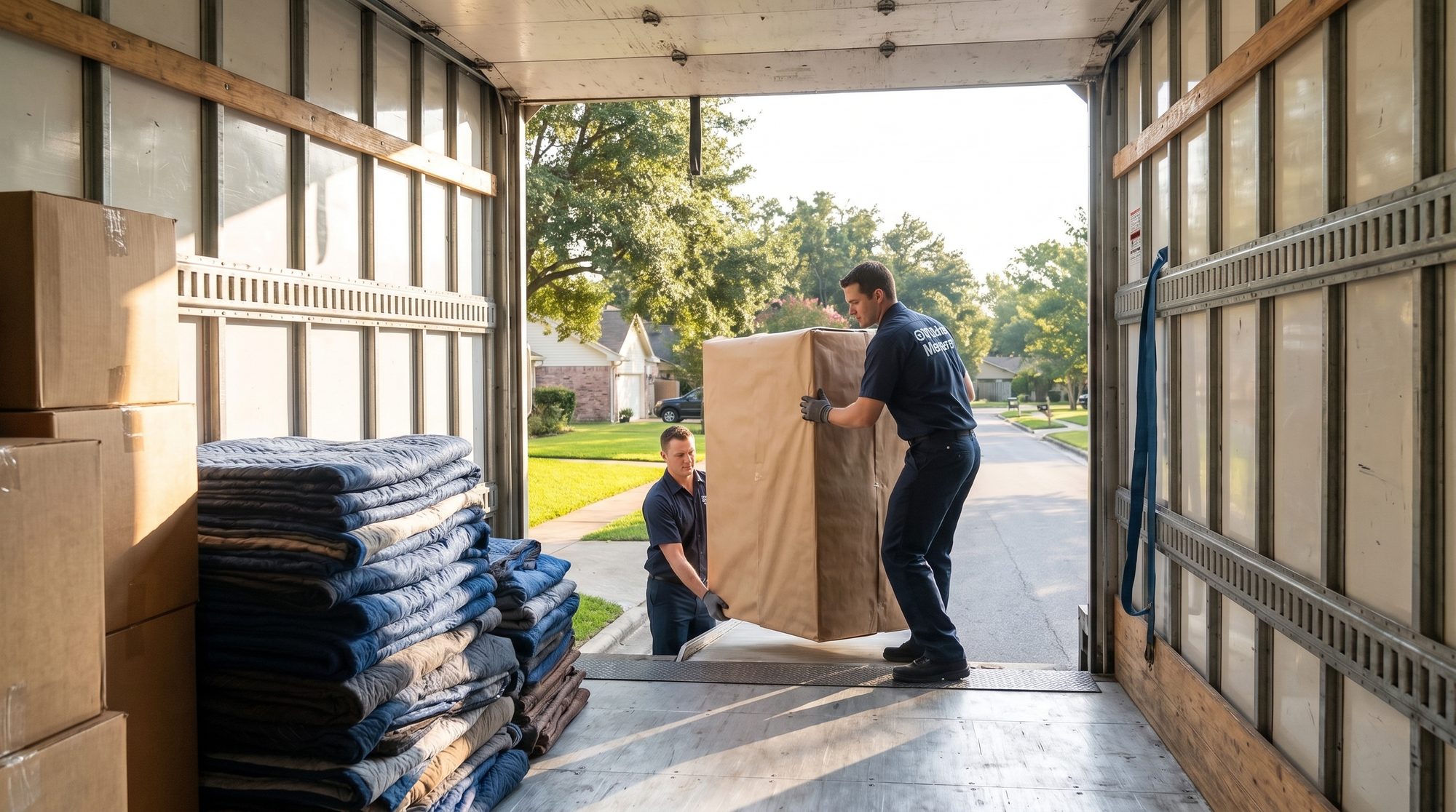
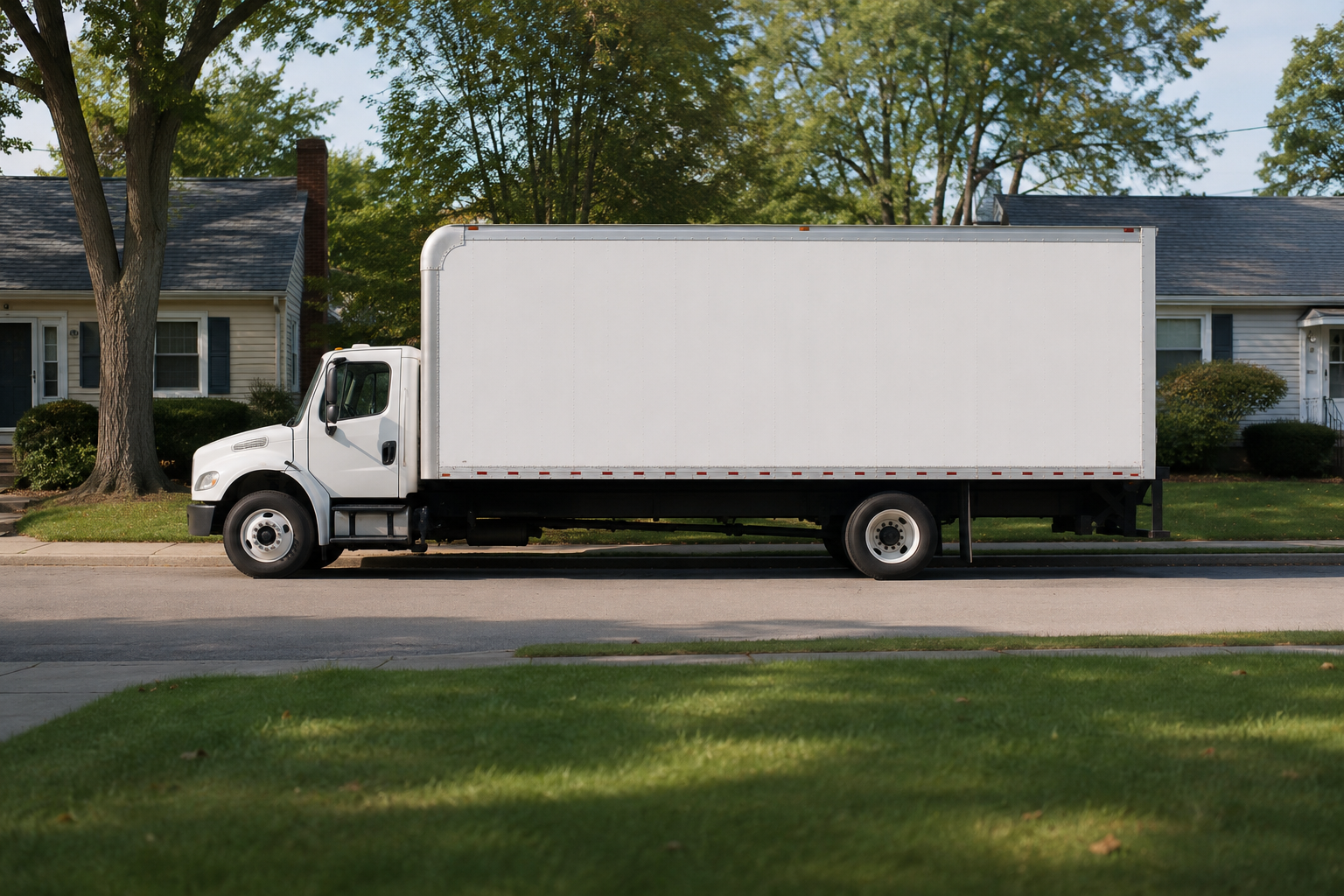
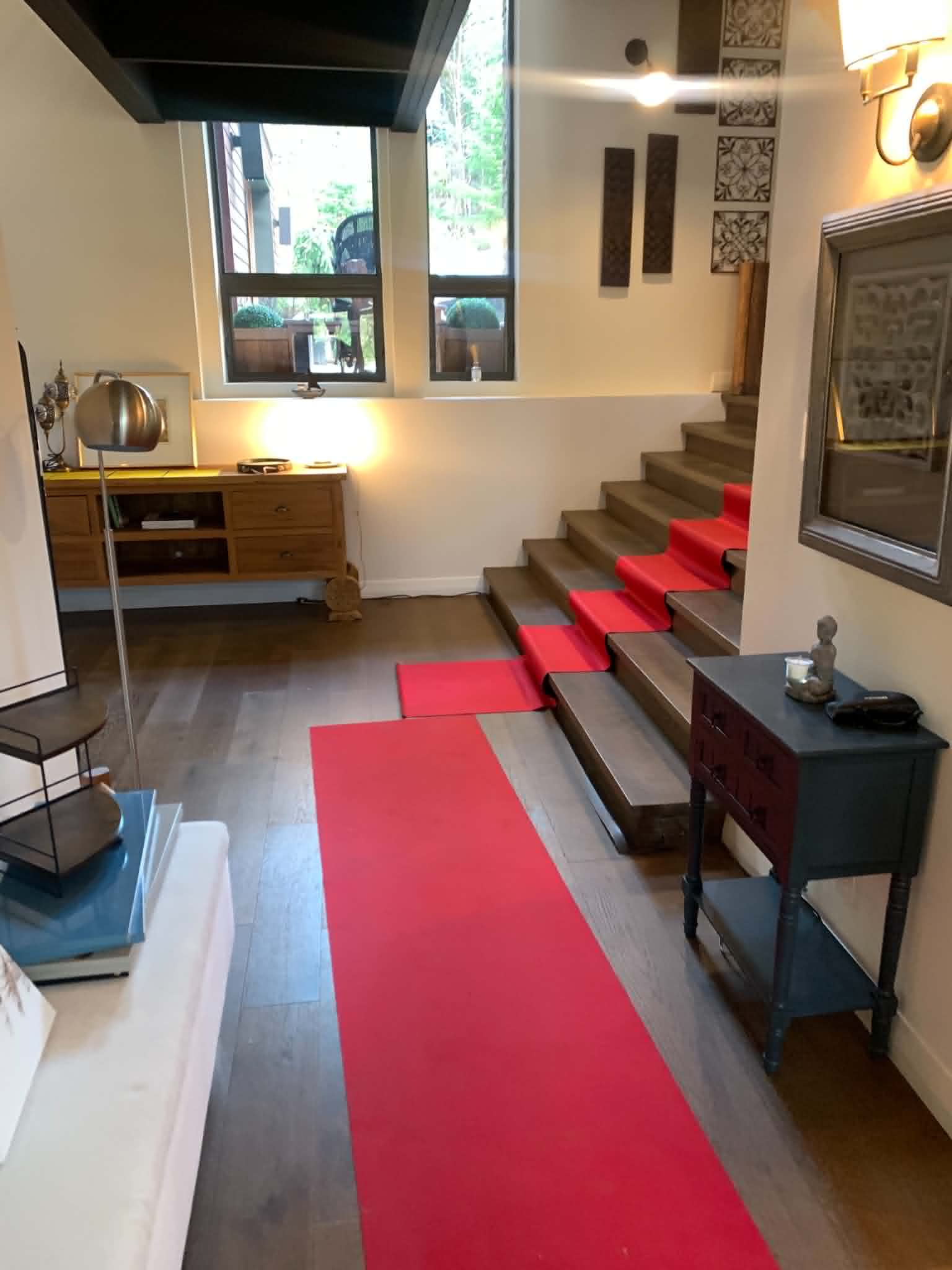
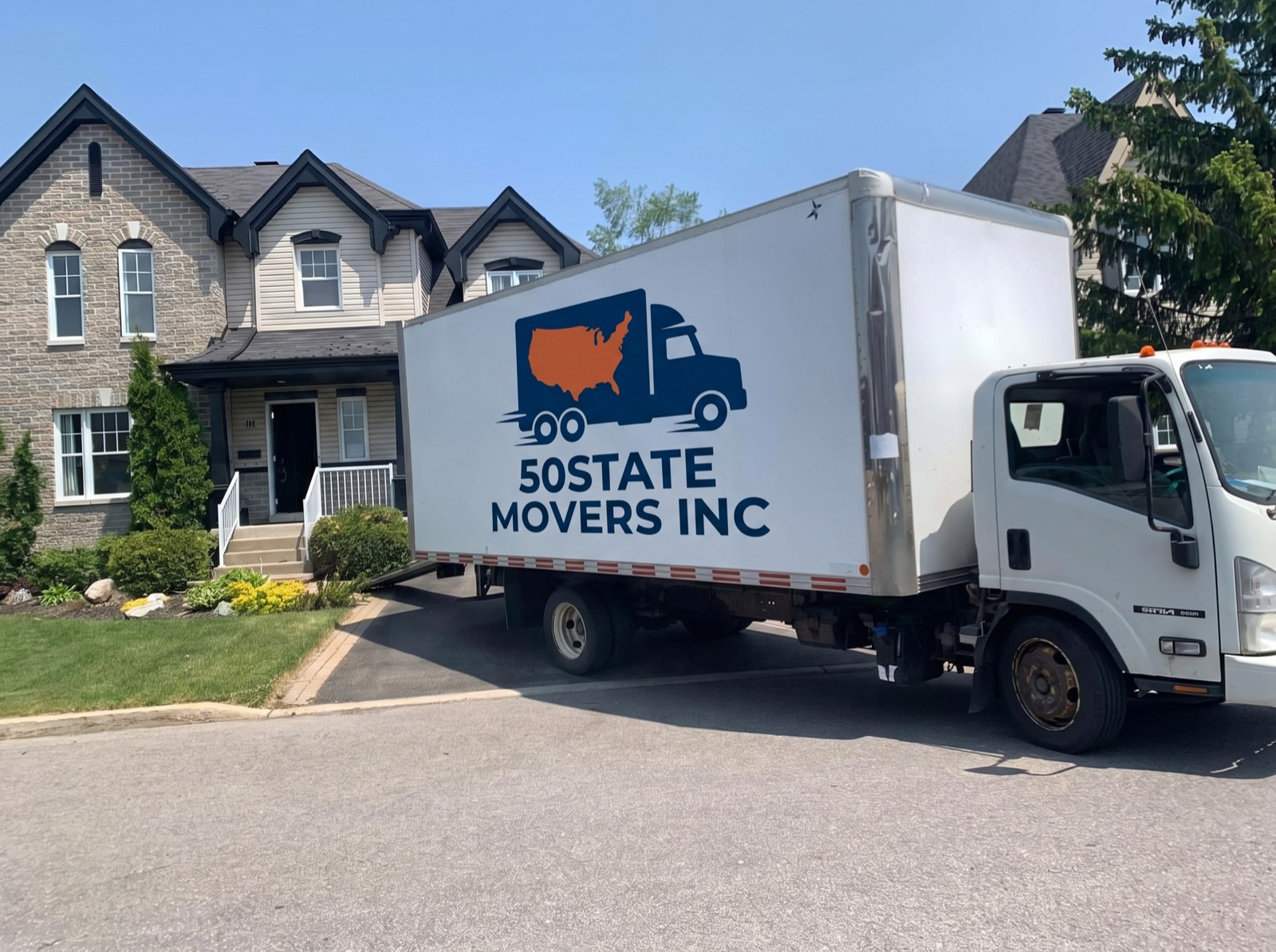
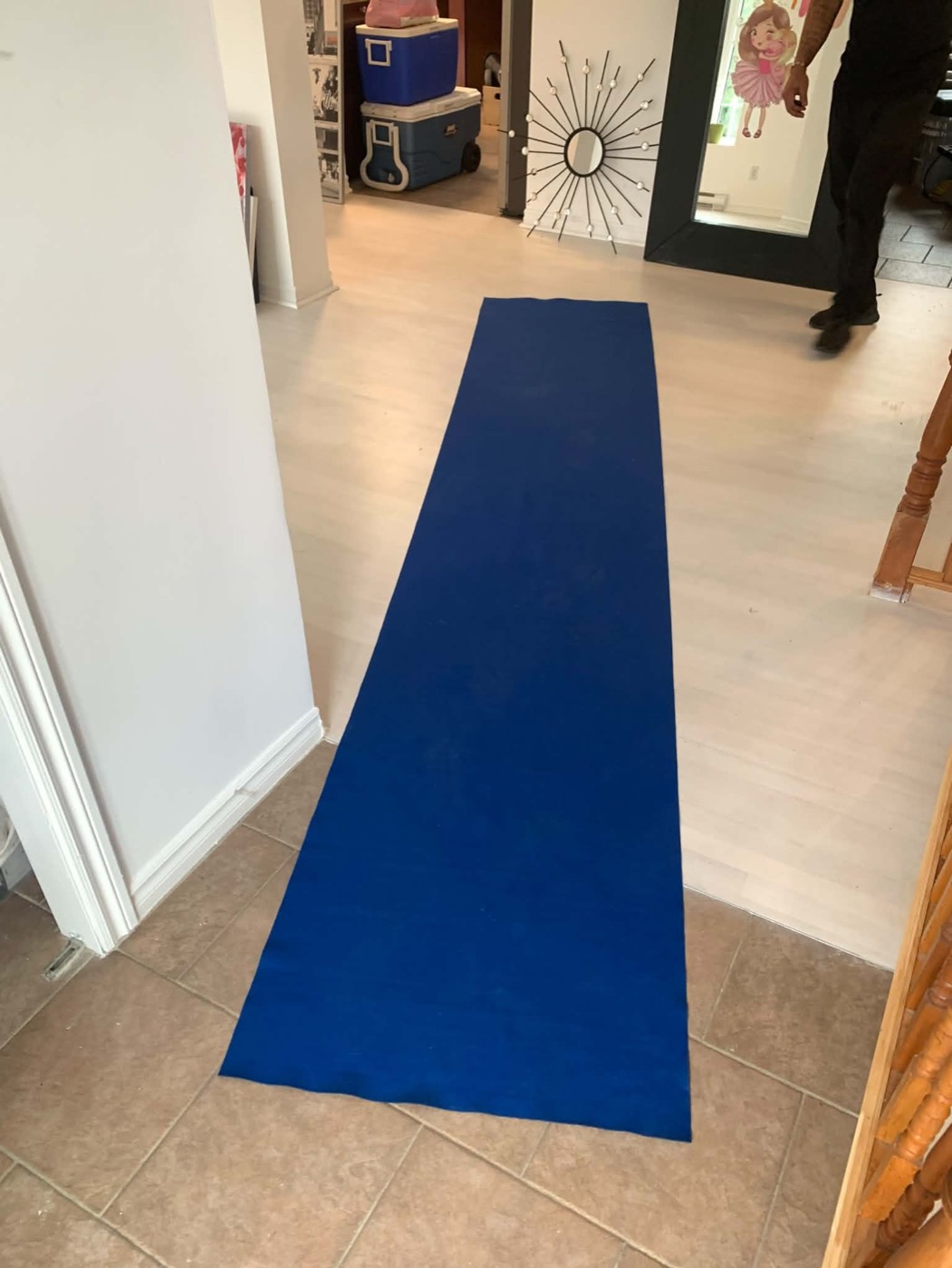
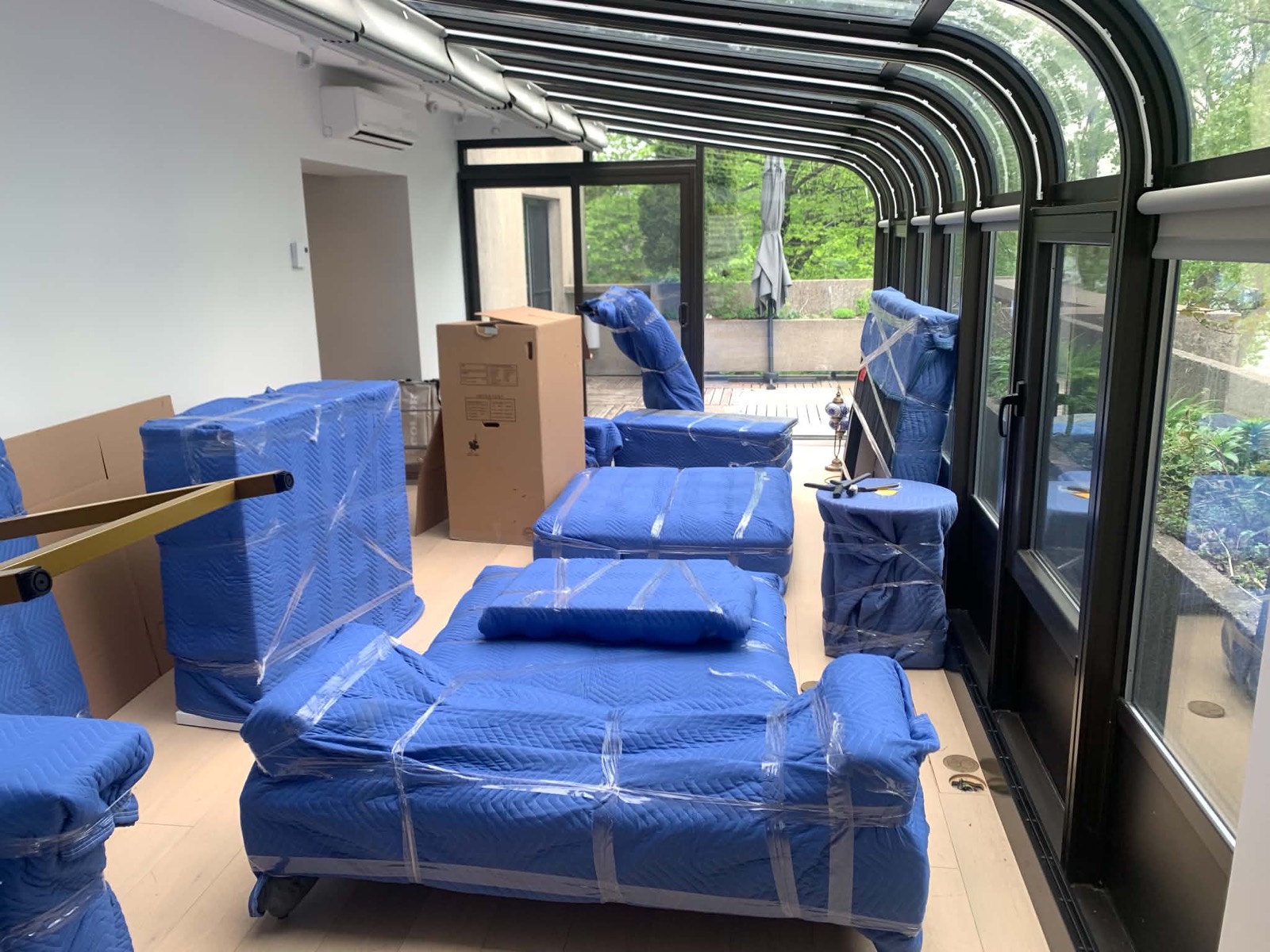
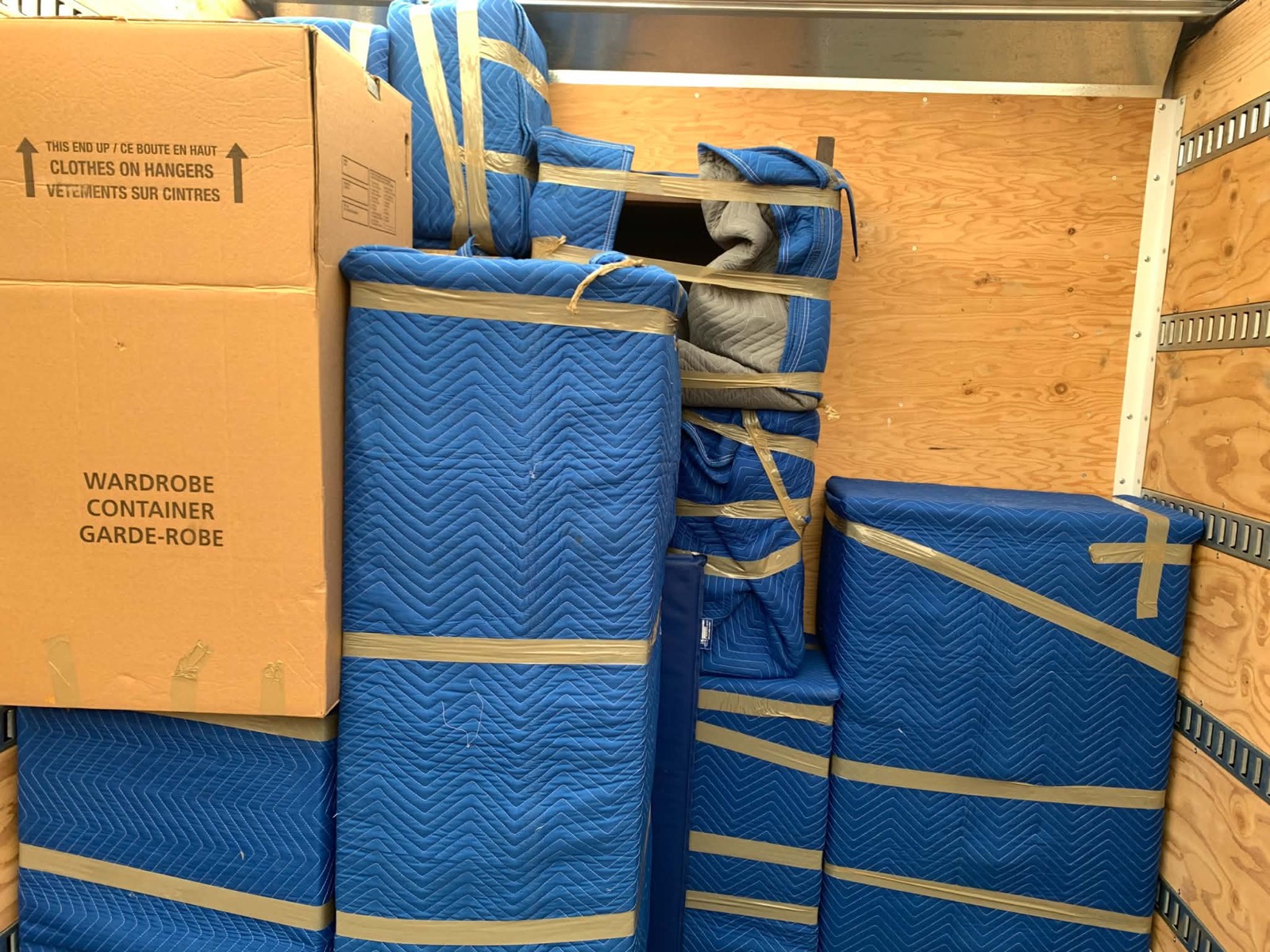
Photographs of our Washington D.C. movers at work: the four parts of your day, in order.
Walkways covered and corners padded before the first carry out.
Furniture is blanket-wrapped and shrink-wrapped before it leaves the room.
Built in strapped tiers, because a load that cannot shift cannot rub.
Unloaded into the rooms you point to, on the date in your contract.
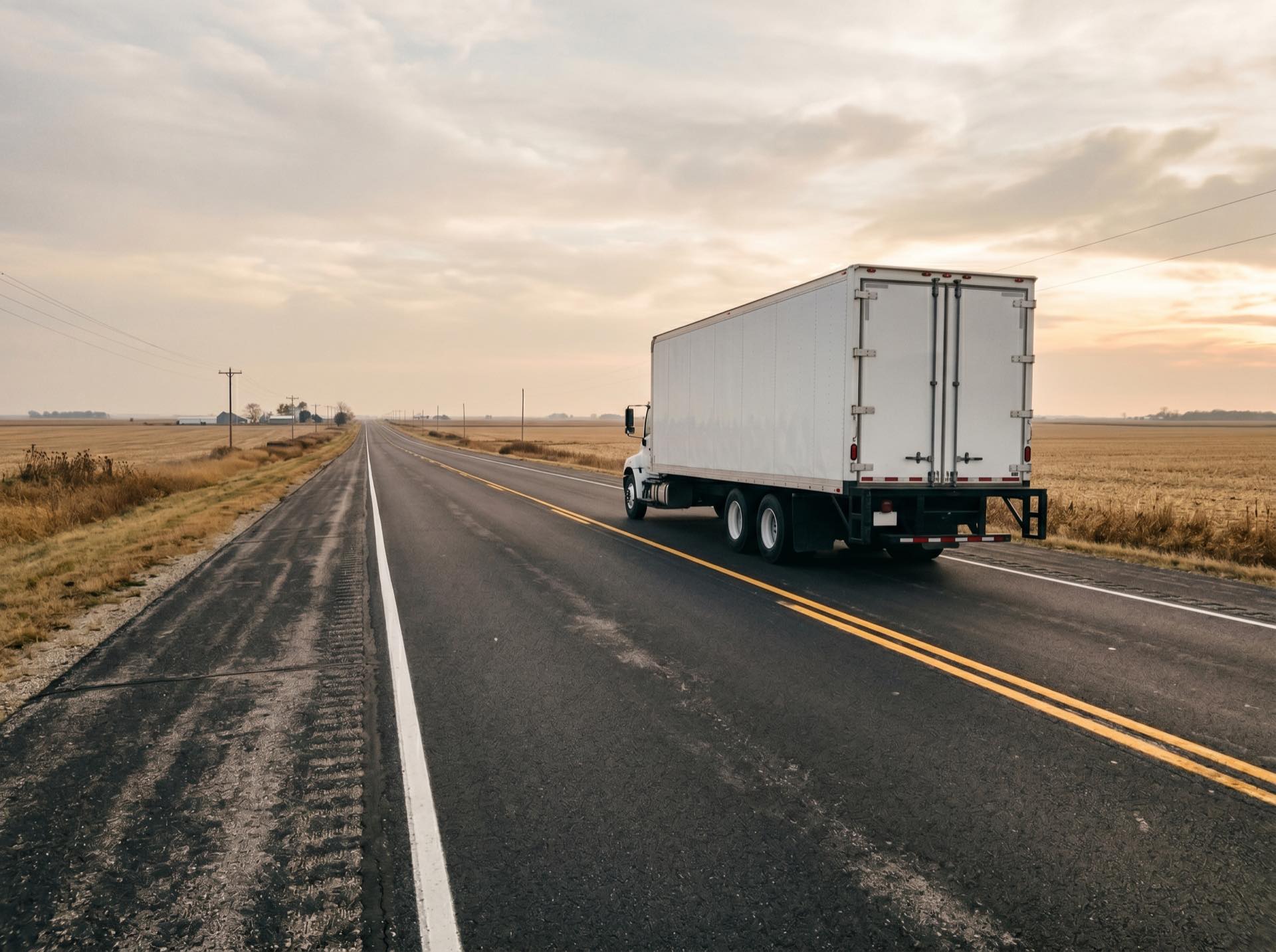
Rural pickups are routine for us, not an exception. The list below is the largest municipalities; the routes behind it reach a great deal further. Call +1 (888) 505-1086 and we'll tell you straight away whether your address is on one.
Washington DC leans heavily on packing and storage. Government, contractor, and diplomatic moves run on fixed dates that rarely line up with a lease, so storage-in-transit is common, and rowhouse stairs mean disassembly and custom crating for anything that will not clear a turn. Commercial work is steady given the density of association and agency offices.
Get my fixed price
Cross-country and interstate relocations. We coordinate logistics, customs paperwork, and destination unpacking — all door to door.
Concierge moving at the top of the range: we pack every item, move it, unpack it, put the furniture where you want it, and hang the artwork.
Studios through to large family houses. Furniture comes apart, travels, and goes back together — and the crew stays until each room is set.
Office relocations handled after hours or over weekends, so your team is working from the new space on Monday morning — no downtime.
Gallery-standard packing for artwork, antiques, and delicate pieces — and purpose-built crates made at your address when stock sizes don't fit.
Secure, climate-controlled units under round-the-clock monitoring — a few weeks or a few years, insured and inventoried the whole time.
We would rather explain the price than advertise one. A number produced without a survey has nothing behind it, which is how people end up owing more than they were told. These are the factors that move the cost of a Washington D.C. move — itemized up front, fixed once agreed.
Every state has its own access problems, weather windows, and rules. Here's what shapes a Washington D.C. move in practice.
DDOT emergency no-parking signs must be posted well ahead of the move; without them, a truck has nowhere legal to stop on most residential blocks. Georgetown and Capitol Hill rowhouses often have no alley access, three or four flights of narrow stairs, and protected streetscapes. Downtown and Navy Yard high-rises require dock reservations that fill up weeks out. The Beltway and I-395 make midday loading slow, so DC crews start early. Main corridors: I-95, I-395, I-295, I-66, US-50.
Peak is May through August, with two brutal weeks around the end of August when university turnover collides with lease season. January is quiet except in transition years, when a new administration creates an unusual winter surge. Summer humidity is a genuine handling issue for antiques and instruments, and street trees make afternoon truck staging harder on narrow blocks.
The District's population turns over faster than almost any city its size, driven by administration changes, congressional cycles, military and State Department rotations, and a large graduate-student population at Georgetown, GW, Howard, and American. Outbound moves scatter widely — Florida, Texas, California, and North Carolina lead — while inbound arrivals come disproportionately from New York, Boston, and Chicago. A significant share of DC moves are government or contractor relocations with fixed reporting dates.
Interstate moves out of Washington D.C. are federal: look for an active USDOT number and FMCSA authority. Ours are USDOT #4575745 and MC-1820728. Movers operating only inside the state answer instead to the DC Department of For-Hire Vehicles and DDOT, which issue the public-space permits moving trucks require — a registration that is not authority to take your belongings across the line.
Most overruns on a Washington D.C. move trace back to one of the three below. We ask about all three up front so the price reflects them from the start.
This is the single most important DC-specific detail. Signs must be posted days before your move for the reservation to be enforceable. We file with DDOT, but late bookings can mean parking a block away and a long carry.
Georgetown and Capitol Hill rowhouses routinely have staircases too tight for a sofa or box spring. We assess at survey and plan for a window hoist or disassembly rather than discovering it at 8 a.m.
Fixed reporting dates do not flex. Those loads go dedicated rather than consolidated, and we can provide the documentation most agency and contractor relocation policies require.
A look at the homes, offices and cross-country relocations our Washington D.C. movers have handled.
The things people actually ask before booking Washington D.C. movers for a move out of state.
Not something you file — it is the truck's permit, and we apply for it and post the signs. Most District blocks need DDOT emergency no-parking signs up in advance to hold curb space. Give us the address as early as you can; short notice on the permit is the number-one avoidable problem on a DC move.
Yes, and it needs a real plan. Narrow protected streets, no alley access, and tight interior stairs are typical. We stage a shuttle truck, disassemble what will not clear the turn, and where necessary hoist through a window. All of that is quoted up front.
About 1,400 to 1,600 miles, so 6 to 11 days on a consolidated load and 3 to 4 days dedicated. If you have a federal reporting date, we recommend dedicated service so the delivery is a date rather than a spread.
Almost universally a certificate of insurance naming the building as additional insured, a reserved freight elevator or loading dock slot, and moves confined to weekday business hours. Send us the building's move-in packet as soon as you get it and we will file everything.
Yes, under two different regimes. Household goods moving over a state line fall to the FMCSA, which issues the USDOT number and the operating authority that goes with it — we hold USDOT #4575745 and MC-1820728. Check any mover's numbers on the FMCSA's free SAFER lookup before you pay a deposit.
If a company only moves people around inside Washington D.C., its registration comes from the DC Department of For-Hire Vehicles and DDOT, which issue the public-space permits moving trucks require and stops at the state line — it is no licence to take your belongings interstate. That mismatch is the commonest fault in competitor paperwork customers forward to us. Add two more checks of your own: binding price or revisable estimate, and carrier or broker. We are a carrier quoting binding fixed prices, moving you with our own crew on our own truck.
The whole continental map is in range. Listed here are the states our Washington D.C. movers most often deliver to, with a dedicated guide behind each on logistics, building access, and timing.
Our team is available 24 / 7. Call us or send an email and we'll get back to you within a few hours.