Secure · never sold to brokers
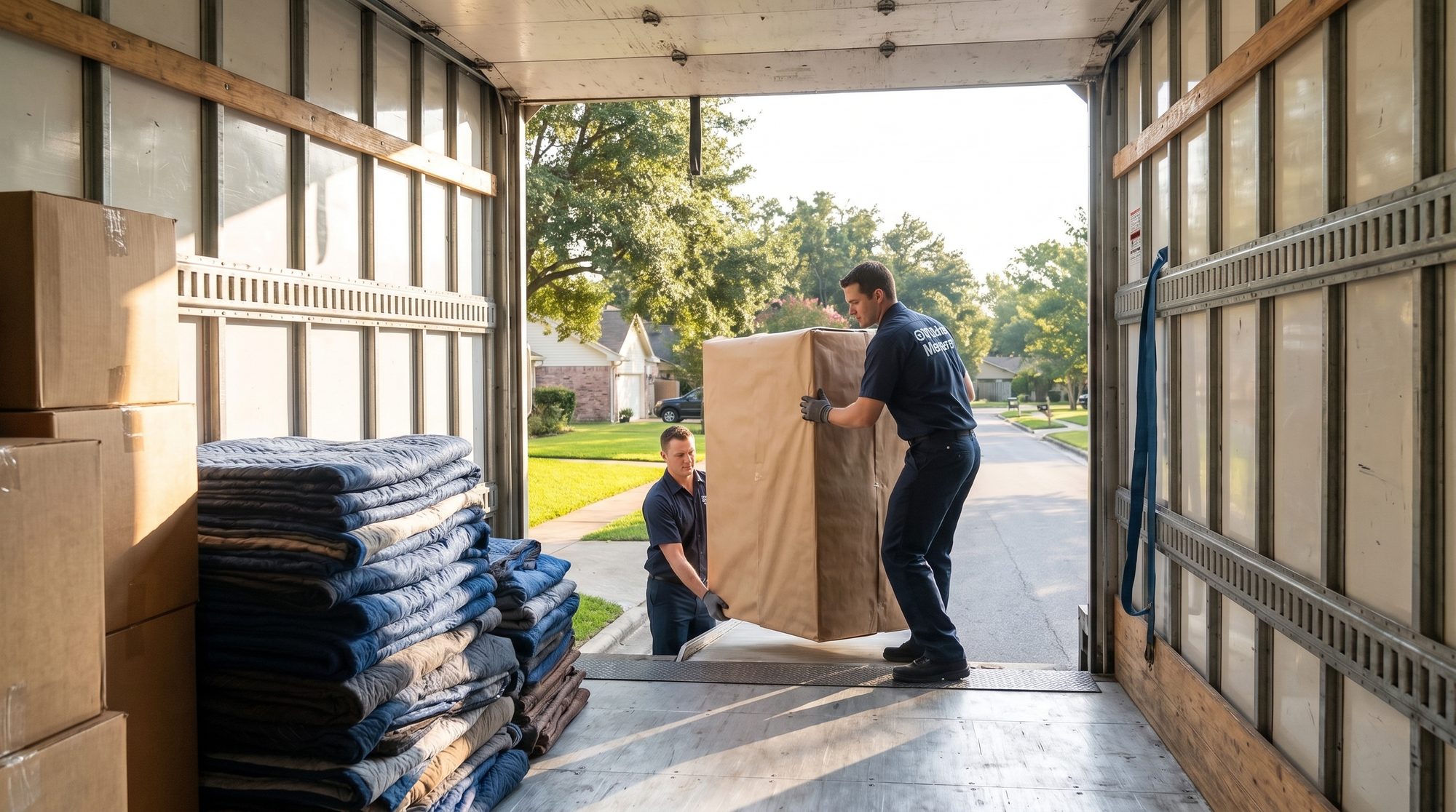
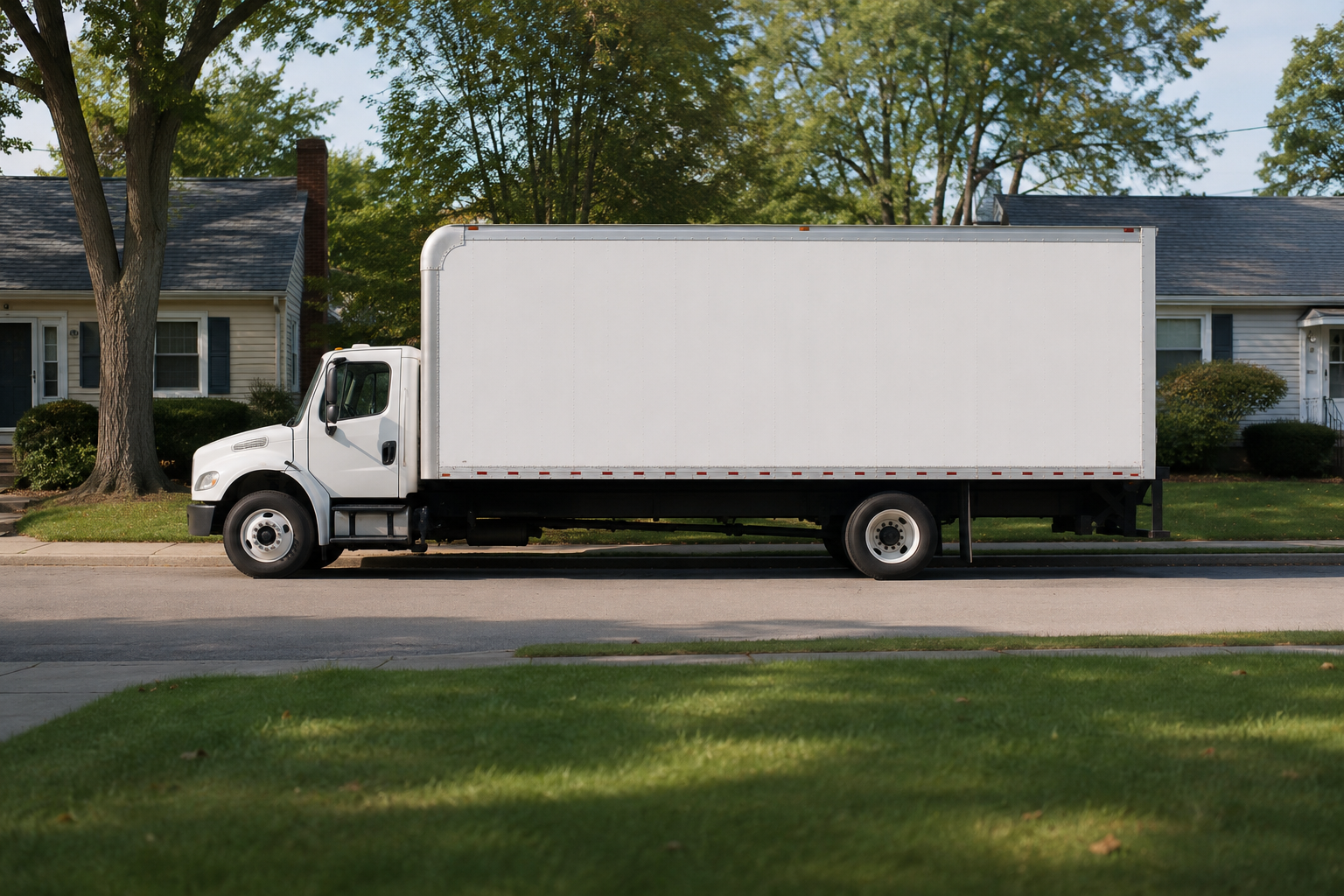
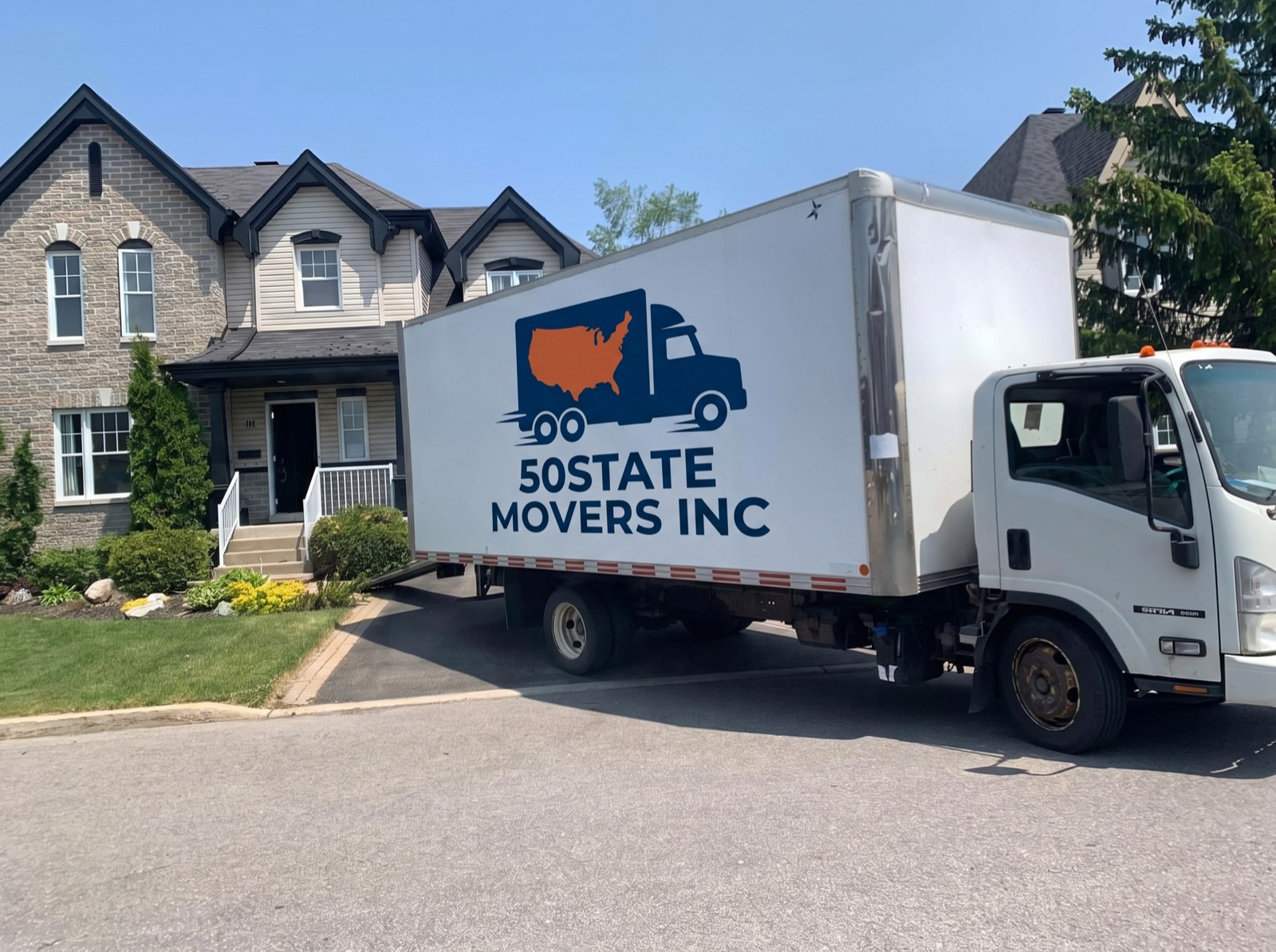
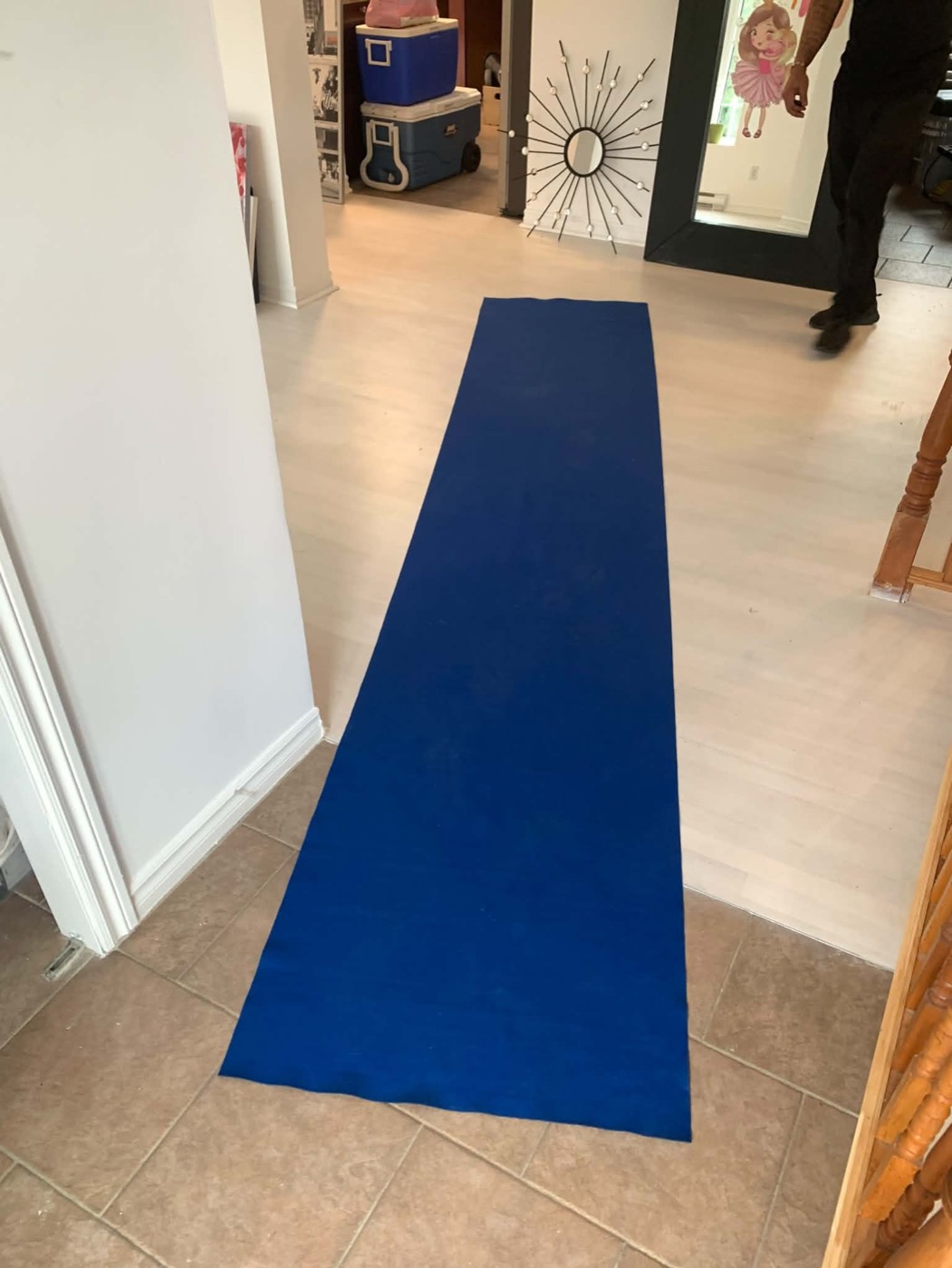
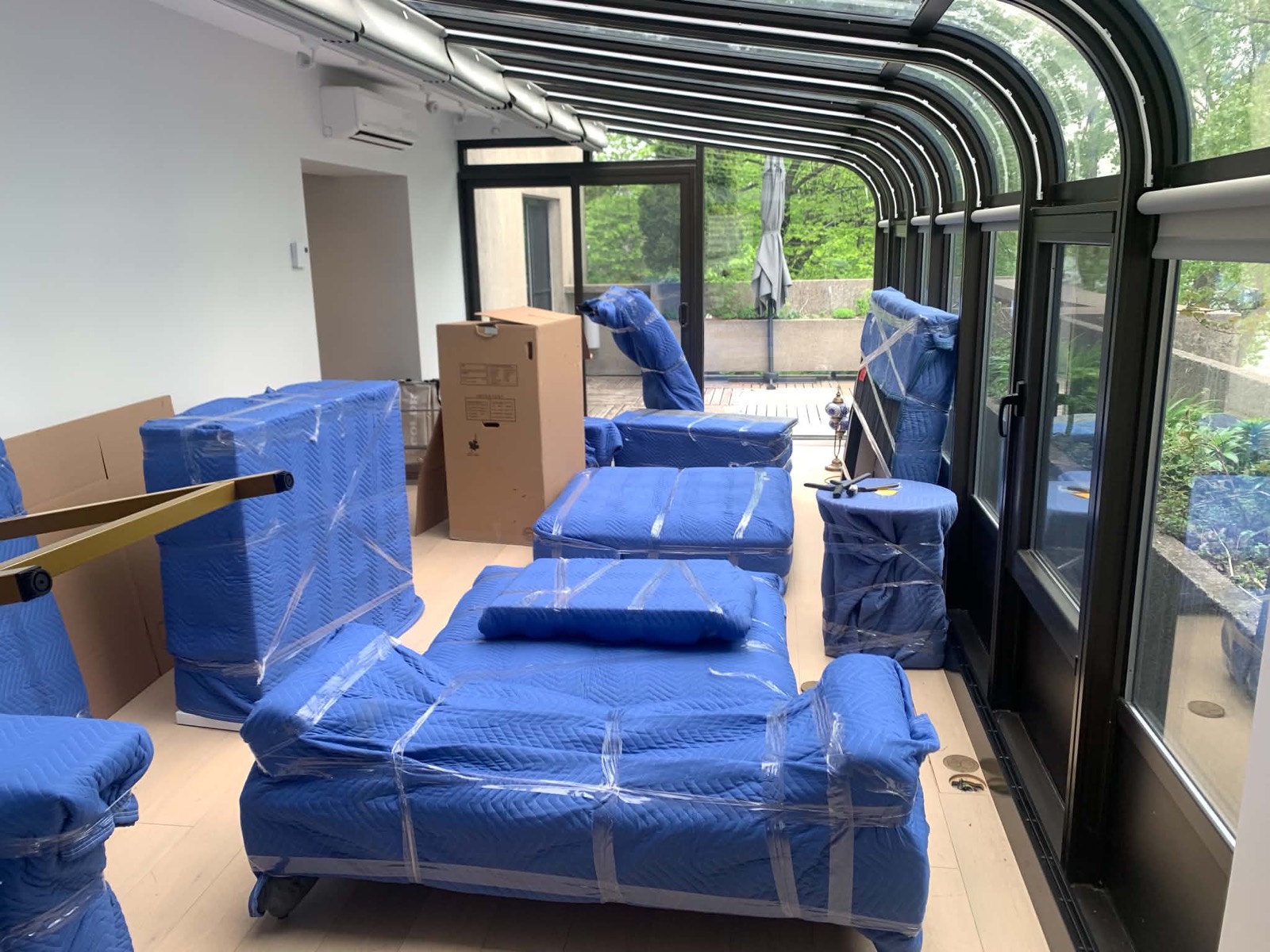
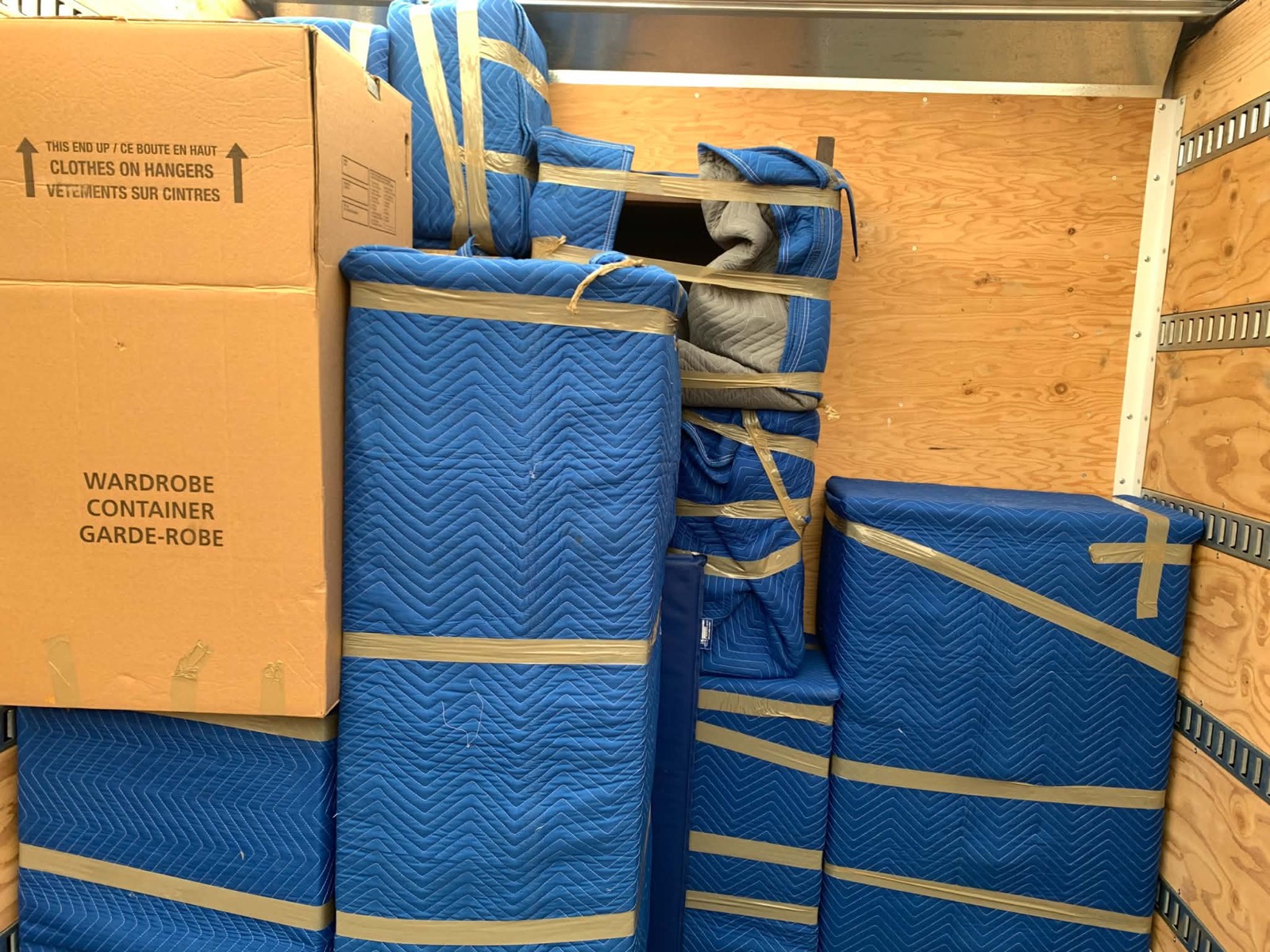
Photographs of our Louisiana movers at work: the four parts of your day, in order.
Walkways covered and corners padded before the first carry out.
Blankets, shrink and tape on every piece — not only the fragile ones.
Built in strapped tiers, because a load that cannot shift cannot rub.
Carried to the room you choose, inside the window we agreed in writing.

Our trucks work the whole of Louisiana, small towns included. A place that isn't on this list is usually still on a lane we already run — ring +1 (888) 505-1086 and we'll check the access before we quote you.
Louisiana's service mix is shaped by storm risk. Storage — specifically climate-controlled storage — is close to mandatory given the humidity, and hurricane-season contracts frequently need goods held in a secure facility rather than delivered into an evacuation zone. Packing demand is high in New Orleans, where raised houses and narrow streets slow everything down.
Get my fixed price
Long-haul household relocations across the continental map — scheduling, documentation, and unpacking on arrival included, with one crew responsible throughout.
The top tier. Concierge-level service: we'll pack, transport, unpack, arrange, and even hang the art on the walls before we leave.
Household moves of every scale. Beds, wardrobes and tables are dismantled, transported and reassembled, and nobody drives off until it is all where it belongs.
Offices, studios and workspaces relocated outside trading hours. The aim is simple: no lost working days between the old address and the new one.
Art, heirlooms, instruments, and glass packed the way galleries pack them, with bespoke crates constructed in your home for anything off-size.
Warehousing with climate control and 24-hour security. Use it for a week between closings or indefinitely; the inventory and the insurance run throughout.
There is no price table on this page on purpose. A figure quoted before anyone has seen your household is a guess, and guesses are what become revised invoices at the far end. What follows is what genuinely shifts the cost of a Louisiana move — each line itemized in writing before you sign, and binding once you do.
The practical detail changes by state — where the trucks can go, when the weather cooperates, who licenses whom. Here is how that plays out in Louisiana.
I-10 and I-12 carry east–west traffic and I-49 runs north from Lafayette to Shreveport. Bridge and causeway constraints matter here more than in most states: the Lake Pontchartrain Causeway has restrictions and closes in high winds, and many bayou parish roads have posted weight limits. In New Orleans, the French Quarter, Marigny, and Garden District require permits for truck staging, and narrow streets with overhanging galleries frequently force a shuttle. Main corridors: I-10, I-12, I-20, I-49, I-55.
Hurricane season from June through November is the defining constraint, and it overlaps with the traditional summer moving peak. We track named storms against your route and will hold a load rather than deliver into an evacuation order. Late winter and early spring — February through April — is the best moving window in Louisiana: mild, dry, and outside storm season. Summer heat and humidity require early starts and careful handling of anything with veneer or leather.
Louisiana has one of the highest net-outbound rates in the South, with Texas absorbing the largest share by far — Houston, Dallas, and Austin are the top three destinations by volume. Storm recovery, insurance costs, and energy-sector employment shifts drive much of it. Baton Rouge and the Northshore parishes around Mandeville and Covington run counter, gaining households from New Orleans. Lake Charles and the industrial corridor track LNG and petrochemical construction cycles.
Interstate moves out of Louisiana are federal: look for an active USDOT number and FMCSA authority. Ours are USDOT #4575745 and MC-1820728. Movers operating only inside the state answer instead to the Louisiana Public Service Commission, which regulates intrastate household-goods movers — a registration that is not authority to take your belongings across the line.
These three catch people out in Louisiana often enough that we look for all of them at survey — which is how they end up in the quote instead of on the final invoice.
A June-through-November Louisiana move gets active storm monitoring and a slightly wider delivery window. If a mandatory evacuation is issued, we hold the shipment in secure storage rather than running it — and that contingency is written into your contract.
Truck staging in the historic districts requires city permits and often a shuttle from a legal stopping point. Narrow streets, cast-iron galleries, and one-way lanes make this non-negotiable.
Post-flood elevated homes across South Louisiana have long exterior staircases. That changes the labor plan significantly and we account for it at survey rather than on the day.
Crews at work: the Louisiana movers who handle family homes, business relocations and cross-country hauls.
What customers want settled before they choose between Louisiana movers and the national vans.
You can, with planning. June through November moves get storm monitoring and a wider delivery window. We will not run a loaded trailer into a landfall forecast or an evacuation zone — we hold it in secure storage instead. February through April avoids the question entirely.
Yes. It requires a city permit for truck staging and almost always a shuttle, because the narrow one-way streets and overhanging galleries will not admit a full-size trailer. We arrange the permit and price the shuttle into the quote.
New Orleans to Central Florida is about 650 miles and to South Florida roughly 860 — typically 3 to 6 days consolidated, 1 to 2 days dedicated. Both ends of this lane are hurricane-exposed in season, so we build the window accordingly.
For anything beyond a couple of weeks, yes. Louisiana's humidity is hard on wood, leather, upholstery, paper, and electronics, and standard warehouse bays do not manage it. It is a small step to take relative to replacing a damaged piece.
Yes, and there are two separate authorities. Any company moving household goods across a state line must hold an active USDOT number and interstate operating authority from the FMCSA — ours are USDOT #4575745 and MC-1820728, and you can verify both on the FMCSA's public SAFER database before paying a deposit.
Movers working only inside Louisiana are registered instead with the Louisiana Public Service Commission, which regulates intrastate household-goods movers — and that is not the same thing. An intrastate registration gives no authority to carry your goods across the Louisiana line, which is the single most frequent problem we spot in paperwork customers send us to review. While you're checking, settle two more questions: is the price binding or an estimate that can be rewritten at delivery, and is the company a carrier with its own trucks or a broker selling the job on? We are a carrier, our prices are binding, and the crew and truck are ours.
Our Louisiana movers cover the continental US. The destinations below are the ones local households pick most; each links to a guide on arriving there — access, building rules, and the right time of year.
Our team is available 24 / 7. Call us or send an email and we'll get back to you within a few hours.